THE ADVENTURE COLLECTIVE® · Independent discovery and booking for outdoor travel

Spend a concentrated half-day in Udawalawe’s open plains where elephants, buffalo and waterbirds gather at the reservoir. This private jeep tour focuses on sightings along the shoreline with local guides and comfortable vehicles.
Spend a concentrated half-day in Udawalawe’s open plains where elephants, buffalo and waterbirds gather at the reservoir. This private jeep tour focuses on sightings along the shoreline with local guides and comfortable vehicles.
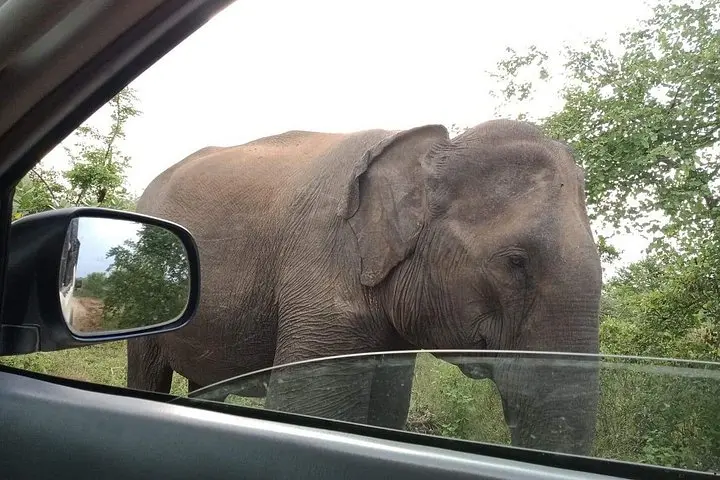
At first light the jeep eases over a rutted track and the reservoir’s edge peels back into grassy floodplains. The air smells of dust and river mud; far-off trunks mark where elephants move like slow tides. This is Udawalawe on a half-day run — short, intense, and tuned for sightings.
Verified experiences and guided adventures in the surrounding area.
Operated by Udawalawa Tusker Safari Service · Udawalawe, Sabaragamuwa Province
At first light the jeep eases over a rutted track and the reservoir’s edge peels back into grassy floodplains. The air smells of dust and river mud; far-off trunks mark where elephants move like slow tides. This is Udawalawe on a half-day run — short, intense, and tuned for sightings.
Udawalawe National Park was set aside in the early 1970s after the reservoir and dam altered local habitats; today the park is a patchwork of grassland, scrub and marsh that funnels wildlife toward water. Geology here is gentle — low plateaus and the broad basin of the Udawalawe Reservoir — but the animal behavior is dynamic: herds, solitary bulls and large waterbirds use the same shoreline, creating predictable viewing windows.
Culturally, the area is rural and agricultural; small villages and paddy fields sit beyond the park boundary. The Elephant Transit Home nearby rehabilitates orphaned calves and underscores the conservation pressures that led to the park’s creation.
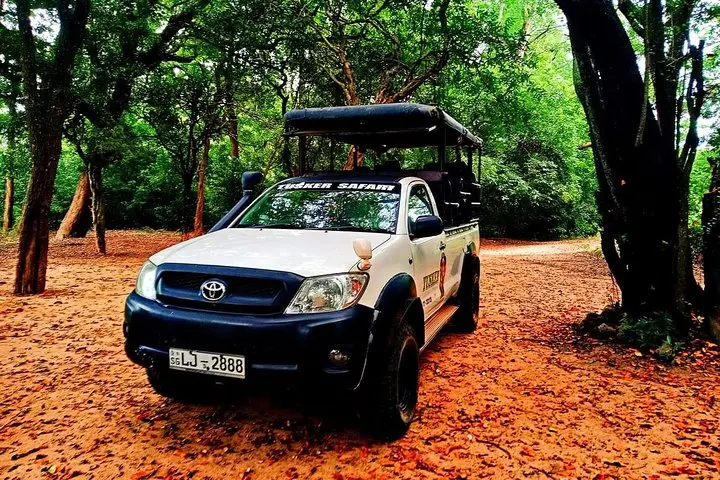
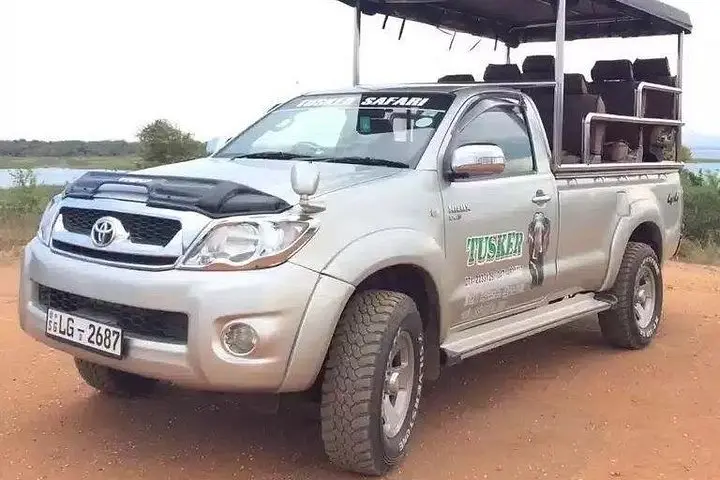
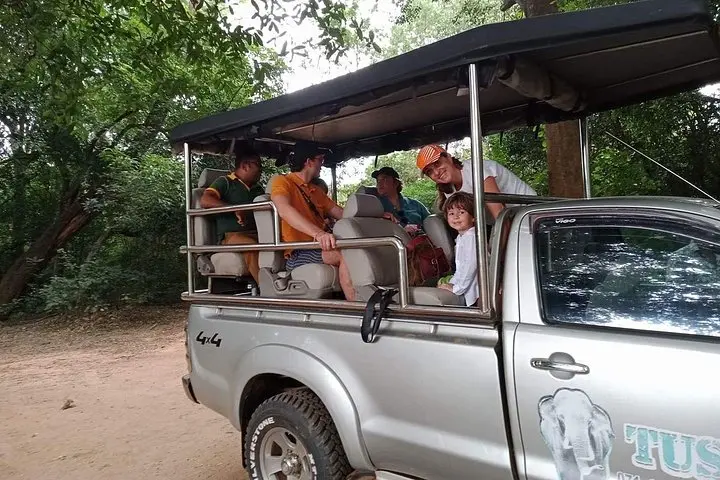
Practical guide: tours run about 2.5–3 hours (private jeep and English-speaking guide available). Government entrance fee (about 13,500 LKR per person) is typically extra. Best viewing is early morning or late afternoon when animals come to drink. Wear neutral clothing, bring binoculars and a dust-resistant camera, and secure small items in the jeep — open windows are great for photos but animals are unpredictable. Follow your guide’s instructions: stay seated, don’t feed or approach wildlife, and expect bumpy roads. Pickup commonly arranged at Udawalawe Police Station; vehicles are well maintained but rough tracks mean bring motion-sickness remedies if you are sensitive. This half-day run concentrates time at the waterline, maximizing encounter chances without a full-day commitment.
No, the listed tour price excludes the government entrance fee (approximately 13,500 LKR per person) which is typically paid at park entry.
The tour is a half-day experience, roughly 2.5–3 hours on most departures—timings may vary by operator and road conditions.
Yes, children can join; infant seats are available but the operator notes it’s not recommended for guests with serious back or heart conditions, or pregnant travelers.
Standard meetup is commonly arranged at Udawalawe Police Station, though private pickup options can be organized in advance.
Udawalawa Tusker Safari Service operates guided outdoor trips and adventures with an emphasis on safety, stewardship, and memorable experiences.
At first light the jeep eases over a rutted track and the reservoir’s edge peels back into grassy floodplains. The air smells of dust and river mud; far-off trunks mark where elephants move like slow tides. This is Udawalawe on a half-day run — short, intense, and tuned for sightings.
At first light the jeep eases over a rutted track and the reservoir’s edge peels back into grassy floodplains. The air smells of dust and river mud; far-off trunks mark where elephants move like slow tides. This is Udawalawe on a half-day run — short, intense, and tuned for sightings.
Udawalawe National Park was set aside in the early 1970s after the reservoir and dam altered local habitats; today the park is a patchwork of grassland, scrub and marsh that funnels wildlife toward water. Geology here is gentle — low plateaus and the broad basin of the Udawalawe Reservoir — but the animal behavior is dynamic: herds, solitary bulls and large waterbirds use the same shoreline, creating predictable viewing windows.
Culturally, the area is rural and agricultural; small villages and paddy fields sit beyond the park boundary. The Elephant Transit Home nearby rehabilitates orphaned calves and underscores the conservation pressures that led to the park’s creation.
Practical guide: tours run about 2.5–3 hours (private jeep and English-speaking guide available). Government entrance fee (about 13,500 LKR per person) is typically extra. Best viewing is early morning or late afternoon when animals come to drink. Wear neutral clothing, bring binoculars and a dust-resistant camera, and secure small items in the jeep — open windows are great for photos but animals are unpredictable. Follow your guide’s instructions: stay seated, don’t feed or approach wildlife, and expect bumpy roads. Pickup commonly arranged at Udawalawe Police Station; vehicles are well maintained but rough tracks mean bring motion-sickness remedies if you are sensitive. This half-day run concentrates time at the waterline, maximizing encounter chances without a full-day commitment.