THE ADVENTURE COLLECTIVE® · Independent discovery and booking for outdoor travel

Spend four hours in a private jeep through Udawalawe National Park where herds of Asian elephants, waterbirds and grazing buffalo gather around seasonal waterholes. This half‑day tour focuses on quiet, personalized sightings with a local guide who knows where wildlife gathers.
Spend four hours in a private jeep through Udawalawe National Park where herds of Asian elephants, waterbirds and grazing buffalo gather around seasonal waterholes. This half‑day tour focuses on quiet, personalized sightings with a local guide who knows where wildlife gathers.
The jeep crunches along dusty ruts as the reservoir heat lifts from the scrub; a herd of elephants turns slowly, trunks busy, as the vehicle eases into view. In a half‑day on the plains of Udawalawe, wildlife refuses to be distant — the landscape pushes encounters forward and demands attention.
Verified experiences and guided adventures in the surrounding area.
Operated by SriLanka Best Safari Udawalawe National Park · Udawalawe, Sabaragamuwa Province
The jeep crunches along dusty ruts as the reservoir heat lifts from the scrub; a herd of elephants turns slowly, trunks busy, as the vehicle eases into view. In a half‑day on the plains of Udawalawe, wildlife refuses to be distant — the landscape pushes encounters forward and demands attention.
Udawalawe National Park was created around the reservoir built in 1969 and is now one of Sri Lanka’s most reliable places to see wild Asian elephants. The facility of the Elephant Transit Home nearby speaks to the region’s conservation history: orphaned calves are rehabilitated and released, a reminder of human pressures and active restoration.
Geologically the park sits on lowland plains carved by the Walawe River; sandy soils, thorn scrub and seasonal grasslands feed a mosaic of waterholes and feeding grounds. Culturally, villages on the park’s edge maintain rice and vegetable plots and a slow rural rhythm — your guide’s local knowledge often bridges the gap between village life and wildlife patterns.
Practical guidance: tours usually last about four hours, often conducted in the cooler morning or late afternoon when animals are most active. Wear neutral, breathable clothing, bring a hat, and keep voices low; your best photos come from patience, not speed. Vehicles are open-sided — secure loose items and follow your guide’s safety briefings around waterholes and bulls.
Expect binocular sightings of elephants, waterfowl, sambar and buffalo, with occasional leopard reports. Booking a private jeep maximizes flexibility and quiet — and on a good run, the plains will hand you moments that feel quietly extraordinary.
Asian elephants are the park’s signature species; you’ll also see water buffalo, sambar deer and a variety of wetland birds; leopards are possible but less frequent.
No—this private, guided 4‑hour safari is suitable for first‑time visitors and families; guides handle navigation and spotting.
Most operators offer private transport from nearby hotels; confirm your pickup point when booking—some guests are collected from Udawalawe or neighboring towns.
Safaris are generally family‑friendly, but those with spinal issues, pregnant travelers or serious heart conditions should consult the operator—infant seats may be available.
SriLanka Best Safari Udawalawe National Park operates guided outdoor trips and adventures with an emphasis on safety, stewardship, and memorable experiences.
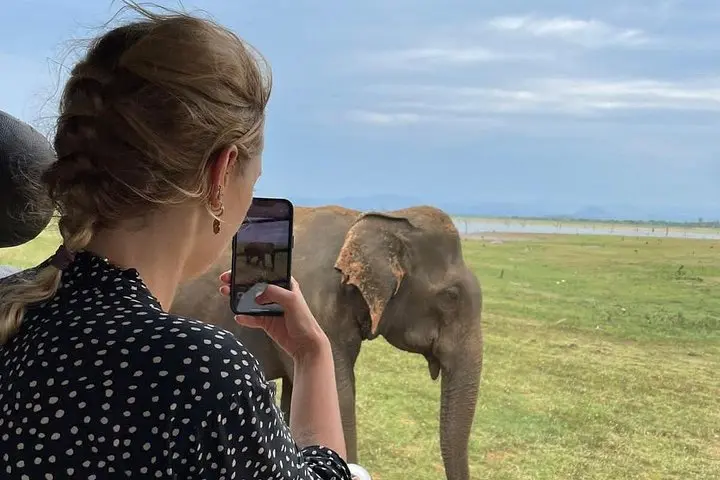
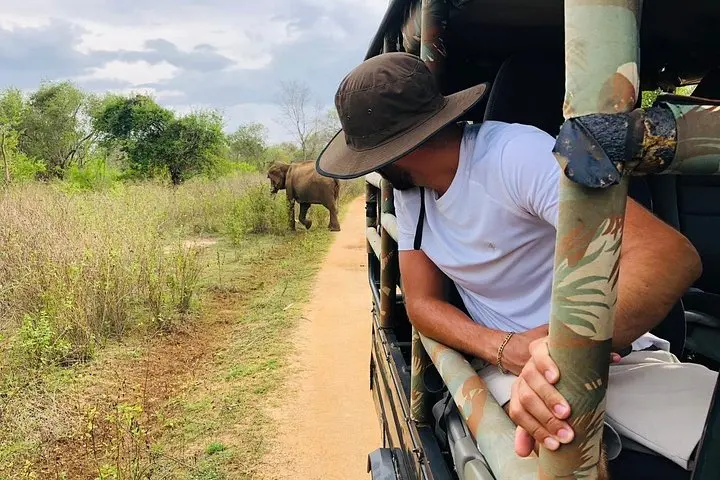
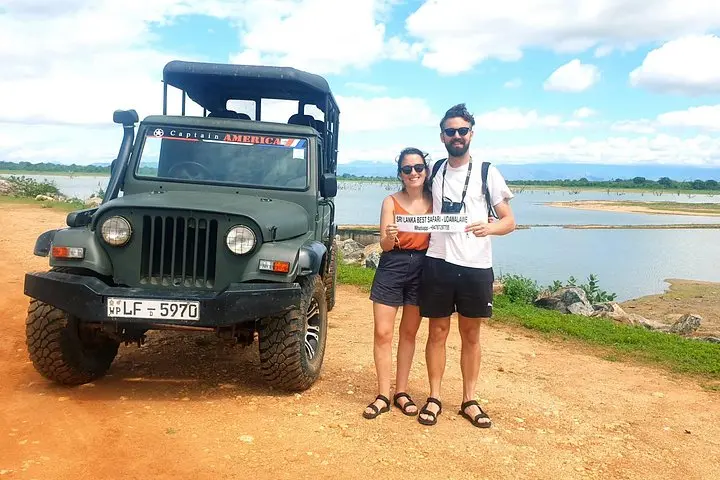
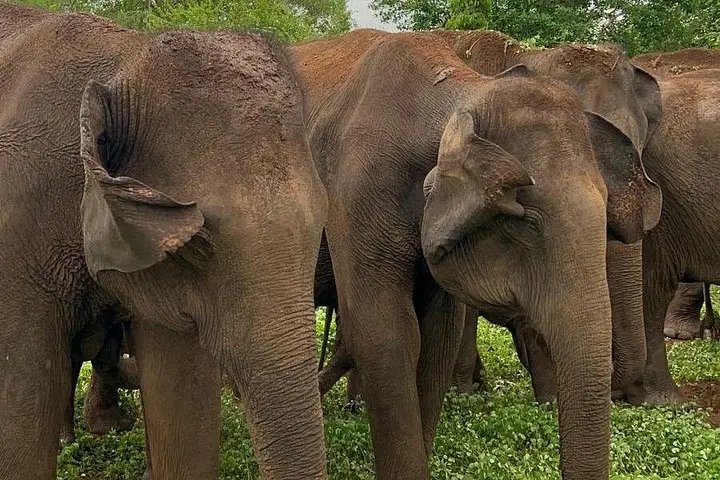
The jeep crunches along dusty ruts as the reservoir heat lifts from the scrub; a herd of elephants turns slowly, trunks busy, as the vehicle eases into view. In a half‑day on the plains of Udawalawe, wildlife refuses to be distant — the landscape pushes encounters forward and demands attention.
The jeep crunches along dusty ruts as the reservoir heat lifts from the scrub; a herd of elephants turns slowly, trunks busy, as the vehicle eases into view. In a half‑day on the plains of Udawalawe, wildlife refuses to be distant — the landscape pushes encounters forward and demands attention.
Udawalawe National Park was created around the reservoir built in 1969 and is now one of Sri Lanka’s most reliable places to see wild Asian elephants. The facility of the Elephant Transit Home nearby speaks to the region’s conservation history: orphaned calves are rehabilitated and released, a reminder of human pressures and active restoration.
Geologically the park sits on lowland plains carved by the Walawe River; sandy soils, thorn scrub and seasonal grasslands feed a mosaic of waterholes and feeding grounds. Culturally, villages on the park’s edge maintain rice and vegetable plots and a slow rural rhythm — your guide’s local knowledge often bridges the gap between village life and wildlife patterns.
Practical guidance: tours usually last about four hours, often conducted in the cooler morning or late afternoon when animals are most active. Wear neutral, breathable clothing, bring a hat, and keep voices low; your best photos come from patience, not speed. Vehicles are open-sided — secure loose items and follow your guide’s safety briefings around waterholes and bulls.
Expect binocular sightings of elephants, waterfowl, sambar and buffalo, with occasional leopard reports. Booking a private jeep maximizes flexibility and quiet — and on a good run, the plains will hand you moments that feel quietly extraordinary.