THE ADVENTURE COLLECTIVE® · Independent discovery and booking for outdoor travel

Spend a concentrated 6–8 hours tracking Sri Lankan elephants, waterbirds, and crocodiles across the wide plains and reservoir shores of Udawalawe National Park. This half-day safari delivers close wildlife viewing, dramatic reservoir light, and practical tips for a respectful, high-value visit.
Spend a concentrated 6–8 hours tracking Sri Lankan elephants, waterbirds, and crocodiles across the wide plains and reservoir shores of Udawalawe National Park. This half-day safari delivers close wildlife viewing, dramatic reservoir light, and practical tips for a respectful, high-value visit.
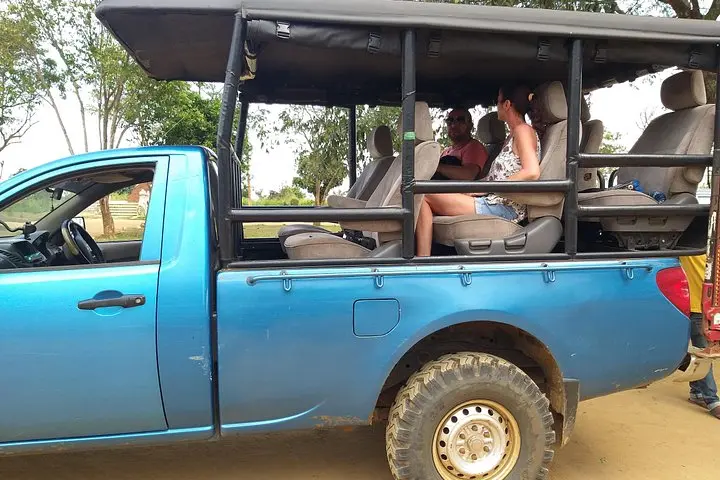
A battered 4WD rolls onto a dust track and the first silhouettes appear: elephant backs cutting the horizon against the Udawalawe Reservoir. The air smells of warm earth and riverweed; water birds wheel and call, daring you to look away. In a half-day safari the landscape unfolds fast — open grasslands giving way to thorn scrub and the shallow lake that drew the park into being.
Verified experiences and guided adventures in the surrounding area.
Operated by Shehan C Tours · Udawalawe, Sabaragamuwa Province
A battered 4WD rolls onto a dust track and the first silhouettes appear: elephant backs cutting the horizon against the Udawalawe Reservoir. The air smells of warm earth and riverweed; water birds wheel and call, daring you to look away. In a half-day safari the landscape unfolds fast — open grasslands giving way to thorn scrub and the shallow lake that drew the park into being.
Udawalawe National Park was created in 1972 to protect animals displaced by the Udawalawe Reservoir and to safeguard the reservoir’s catchment. Geologically the area is lowland plains carved by the Walawe River and punctuated by rocky outcrops where granite peeks through red soil. Culturally, villages around the park are tied to rice and coconut farming; local guides often combine traditional knowledge with sharp wildlife spotting.
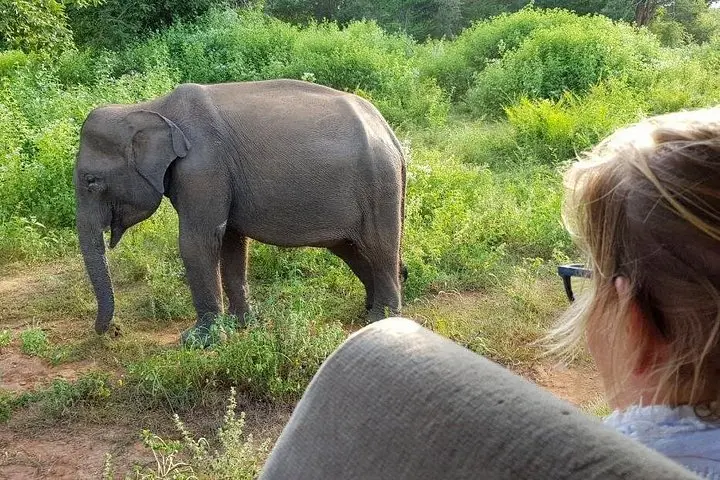
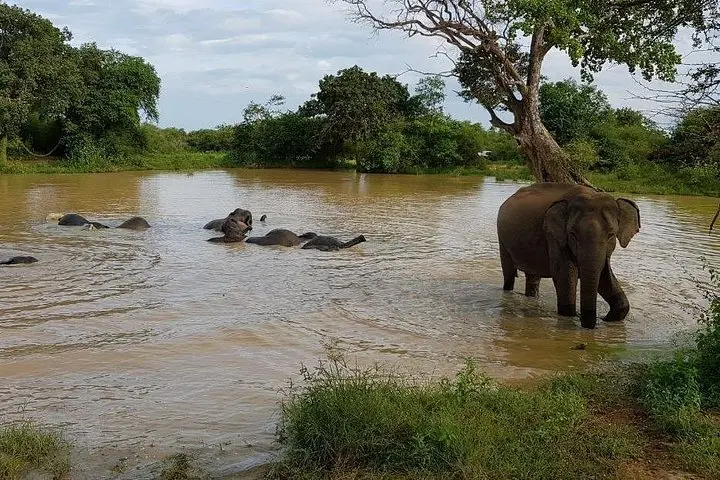
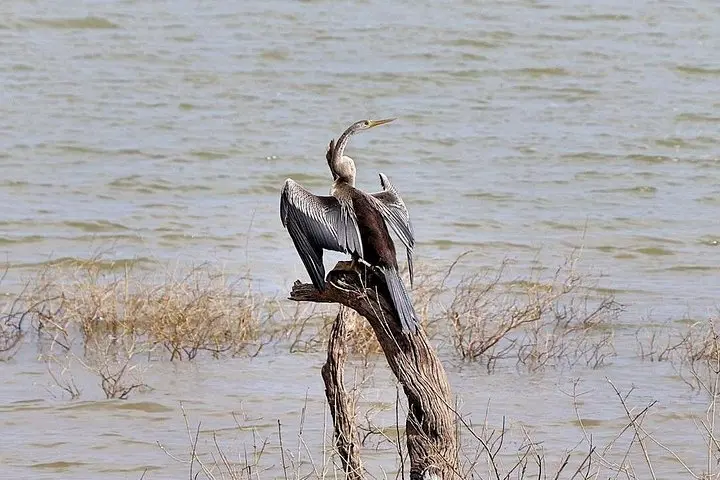
On a typical 6–8 hour safari you’ll scan for Sri Lankan elephants — the park hosts one of the country’s densest populations — alongside water birds, crocodiles, and buffalo. Expect long stretches in the vehicle, rapid bursts of viewing as herds move, and wide, open viewpoints at the reservoir’s edge.
Practical guidance: arrive early or late for softer light and more activity, bring binoculars and layered sun protection, and keep cameras ready with fast shutter speeds for moving subjects. Respect park rules: stay in the vehicle, never feed or approach wildlife, and carry water and insect repellent. A half-day here is efficient, sensory, and rewarding — a close, responsible look at Sri Lanka’s iconic elephants and the watery landscape that sustains them.
This half-day safari runs about 6–8 hours door-to-door, with roughly 3 hours of in-park driving and wildlife viewing.
No wildlife can be guaranteed, but Udawalawe hosts a dense population of Sri Lankan elephants and sightings are very likely on most drives.
Yes — the tour includes private, air-conditioned pickup and return transport plus a 4WD safari jeep for in-park viewing.
Yes — the tour is family-friendly but infants must sit on an adult’s lap and all passengers should follow safety guidance from guides.
Shehan C Tours operates guided outdoor trips and adventures with an emphasis on safety, stewardship, and memorable experiences.
A battered 4WD rolls onto a dust track and the first silhouettes appear: elephant backs cutting the horizon against the Udawalawe Reservoir. The air smells of warm earth and riverweed; water birds wheel and call, daring you to look away. In a half-day safari the landscape unfolds fast — open grasslands giving way to thorn scrub and the shallow lake that drew the park into being.
A battered 4WD rolls onto a dust track and the first silhouettes appear: elephant backs cutting the horizon against the Udawalawe Reservoir. The air smells of warm earth and riverweed; water birds wheel and call, daring you to look away. In a half-day safari the landscape unfolds fast — open grasslands giving way to thorn scrub and the shallow lake that drew the park into being.
Udawalawe National Park was created in 1972 to protect animals displaced by the Udawalawe Reservoir and to safeguard the reservoir’s catchment. Geologically the area is lowland plains carved by the Walawe River and punctuated by rocky outcrops where granite peeks through red soil. Culturally, villages around the park are tied to rice and coconut farming; local guides often combine traditional knowledge with sharp wildlife spotting.
On a typical 6–8 hour safari you’ll scan for Sri Lankan elephants — the park hosts one of the country’s densest populations — alongside water birds, crocodiles, and buffalo. Expect long stretches in the vehicle, rapid bursts of viewing as herds move, and wide, open viewpoints at the reservoir’s edge.
Practical guidance: arrive early or late for softer light and more activity, bring binoculars and layered sun protection, and keep cameras ready with fast shutter speeds for moving subjects. Respect park rules: stay in the vehicle, never feed or approach wildlife, and carry water and insect repellent. A half-day here is efficient, sensory, and rewarding — a close, responsible look at Sri Lanka’s iconic elephants and the watery landscape that sustains them.