THE ADVENTURE COLLECTIVE® · Independent discovery and booking for outdoor travel

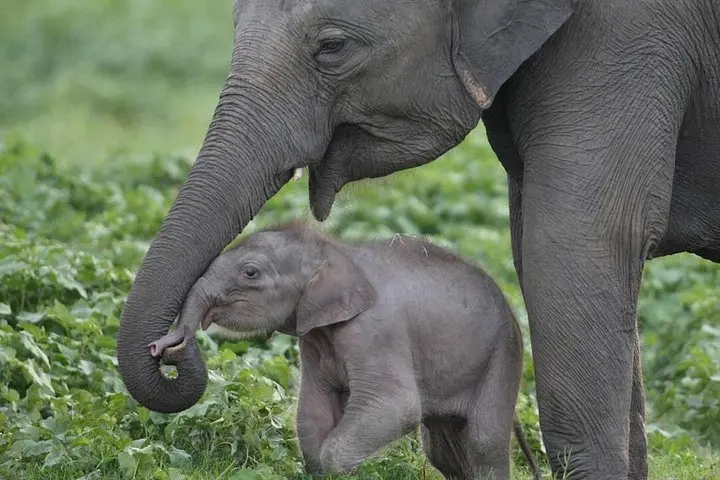
Spend a private half-day exploring Udawalawe’s open grasslands by 4x4 and visit the Elephant Transit Home to watch rehabilitated calves at feeding time. This combination tour emphasizes wildlife viewing, conservation context, and flexible timing to suit your schedule.
Spend a private half-day exploring Udawalawe’s open grasslands by 4x4 and visit the Elephant Transit Home to watch rehabilitated calves at feeding time. This combination tour emphasizes wildlife viewing, conservation context, and flexible timing to suit your schedule.
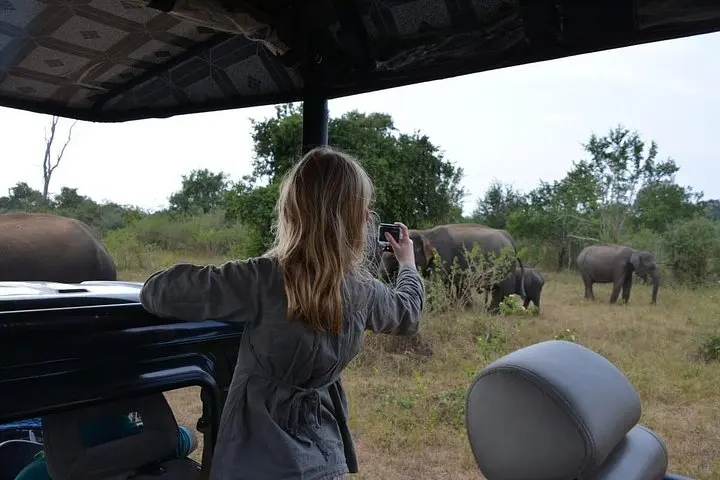
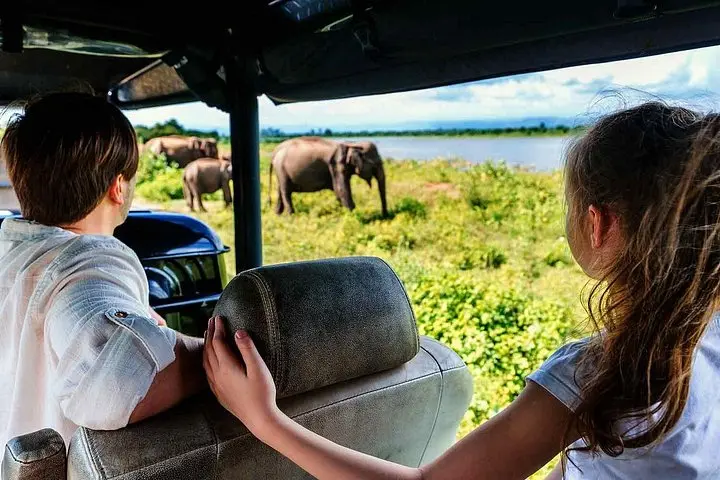
Dust lifts under the 4x4 as the vehicle eases onto a rutted track, and the grasslands open like a stage. Early light throws long shadows from lone palms while a distant line of dark backs—elephants—moves between scrub and water. This is Udawalawe: raw, dry-country country where wildlife still calls the shots.
Verified experiences and guided adventures in the surrounding area.
Operated by Shehan Safari · Udawalawe, Sabaragamuwa Province
Dust lifts under the 4x4 as the vehicle eases onto a rutted track, and the grasslands open like a stage. Early light throws long shadows from lone palms while a distant line of dark backs—elephants—moves between scrub and water. This is Udawalawe: raw, dry-country country where wildlife still calls the shots.
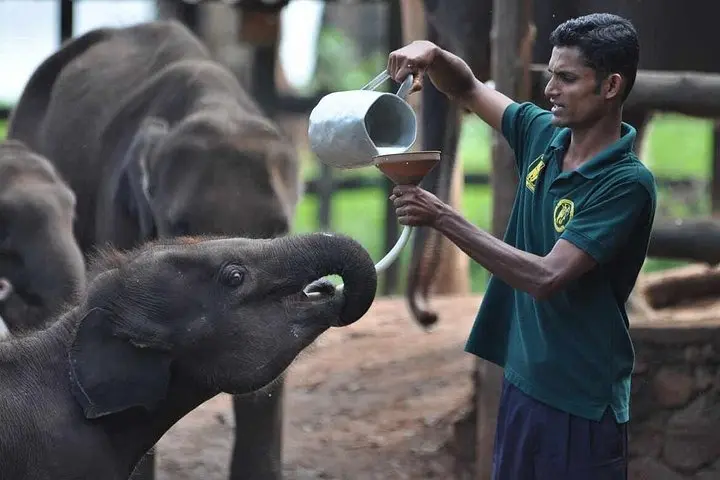
Created in the early 1970s around the Walawe reservoir, Udawalawe National Park protects riverine scrub, open grasslands and seasonal pools that attract elephants, water buffalo and a host of smaller mammals and birds. The Elephant Transit Home, established with support from conservation groups in the 1990s, rehabilitates orphaned calves and prepares them for return to the park; feeding-time viewing from a platform is the ethical way to observe this work without disturbing the animals.
On a private half-day tour you’ll combine a guided game drive with time at the transit home. Expect a mix of slow glassing across plains and sharp bursts of adrenaline when a herd is sighted. Guides read tracks and behavior; sightings vary with season and water availability. Local villages around the park are primarily agricultural and shaped by the rhythms of the Walawe River.
Practical essentials: book morning or late-afternoon slots for cooler temperatures and better light, bring sun protection and water, and use binoculars and a tele lens for respectful distance viewing. The tour is vehicle-based—physical demands are low—but wildlife is wild: sightings aren’t guaranteed and animals set the agenda. Leave no trash, follow your guide’s instructions, and the day becomes both memorable and responsible.
This private half-day option runs about 4 hours and combines a guided 4x4 game drive in Udawalawe National Park with admission and viewing time at the Elephant Transit Home; entrance fees are included.
No—viewing is restricted to platforms to protect and rehabilitate the calves; you can observe feeding and care but not touch the elephants.
No—Udawalawe offers excellent odds for elephant encounters, but sightings depend on season, water availability and animal movement; private guides maximize opportunities but cannot promise sightings.
Yes—the tour is vehicle-based with minimal walking, but it’s not recommended for those with serious spinal, heart, or pregnancy-related health issues per operator guidance.
Shehan Safari operates guided outdoor trips and adventures with an emphasis on safety, stewardship, and memorable experiences.
Dust lifts under the 4x4 as the vehicle eases onto a rutted track, and the grasslands open like a stage. Early light throws long shadows from lone palms while a distant line of dark backs—elephants—moves between scrub and water. This is Udawalawe: raw, dry-country country where wildlife still calls the shots.
Dust lifts under the 4x4 as the vehicle eases onto a rutted track, and the grasslands open like a stage. Early light throws long shadows from lone palms while a distant line of dark backs—elephants—moves between scrub and water. This is Udawalawe: raw, dry-country country where wildlife still calls the shots.
Created in the early 1970s around the Walawe reservoir, Udawalawe National Park protects riverine scrub, open grasslands and seasonal pools that attract elephants, water buffalo and a host of smaller mammals and birds. The Elephant Transit Home, established with support from conservation groups in the 1990s, rehabilitates orphaned calves and prepares them for return to the park; feeding-time viewing from a platform is the ethical way to observe this work without disturbing the animals.
On a private half-day tour you’ll combine a guided game drive with time at the transit home. Expect a mix of slow glassing across plains and sharp bursts of adrenaline when a herd is sighted. Guides read tracks and behavior; sightings vary with season and water availability. Local villages around the park are primarily agricultural and shaped by the rhythms of the Walawe River.
Practical essentials: book morning or late-afternoon slots for cooler temperatures and better light, bring sun protection and water, and use binoculars and a tele lens for respectful distance viewing. The tour is vehicle-based—physical demands are low—but wildlife is wild: sightings aren’t guaranteed and animals set the agenda. Leave no trash, follow your guide’s instructions, and the day becomes both memorable and responsible.