THE ADVENTURE COLLECTIVE® · Independent discovery and booking for outdoor travel

Spend a day tracking elephants and waterbirds at Udawalawe National Park. This private day safari pairs a 3–4 hour jeep game drive with a visit to the Elephant Transit Home for close, ethical viewing opportunities.
Spend a day tracking elephants and waterbirds at Udawalawe National Park. This private day safari pairs a 3–4 hour jeep game drive with a visit to the Elephant Transit Home for close, ethical viewing opportunities.
Morning light breaks over low, scrubby plains and the reservoir throws silver across a broad horizon. You slide into an open jeep and the track begins—red earth beneath the tires, tall grass hissing at the edges. The landscape moves deliberately: a lone bull elephant lifts its trunk as if testing the air, waterbirds wheel over the reservoir, and the driver eases the vehicle closer without hurry.
Verified experiences and guided adventures in the surrounding area.
Operated by Jayasak Tours · Udawalawe, Sabaragamuwa Province
Morning light breaks over low, scrubby plains and the reservoir throws silver across a broad horizon. You slide into an open jeep and the track begins—red earth beneath the tires, tall grass hissing at the edges. The landscape moves deliberately: a lone bull elephant lifts its trunk as if testing the air, waterbirds wheel over the reservoir, and the driver eases the vehicle closer without hurry.
Udawalawe National Park was created in the 1970s around the reservoir built for irrigation; geology here is recent alluvium and weathered rock that forms broad plains and shallow wetlands. The park sits at low elevation, and its human story is tied to water management and elephant conservation—the Elephant Transit Home on the park’s edge rehabilitates orphaned calves before release. Local culture is rural and agricultural; small villages around the park supply roadside markets where spice and dried fish are sold.
Practically: this is a day-vehicle safari—expect 3–4 hours in the park plus transfers (the full tour runs about eight hours). Terrain is flat to gently rolling dirt tracks; the experience is visual and auditory rather than a hike. Bring binoculars, a sun hat, sunscreen, and water; mornings and late afternoons are when elephants congregate near water. Respect the guide’s distance rules, keep noise low, and avoid flash photography.
Timing, light, and patience deliver the best sightings. The park’s mix of reservoir shoreline, grassland, and scrub rewards hours of slow scanning—be ready for sudden movement as the animals decide the day for themselves.
Early morning and late afternoon are best for sightings; midday heat usually pushes animals into shade or water.
Yes—most tours include a short stop at the Transit Home to observe milk feedings and released calves, though access is controlled to minimize stress on animals.
No—the tour is vehicle-based with minimal walking; passengers should be able to mount and dismount a jeep and sit for several hours.
Most operators provide bottled water and include restroom stops before and after the in-park drive; facilities inside the park are basic or absent.
Jayasak Tours operates guided outdoor trips and adventures with an emphasis on safety, stewardship, and memorable experiences.
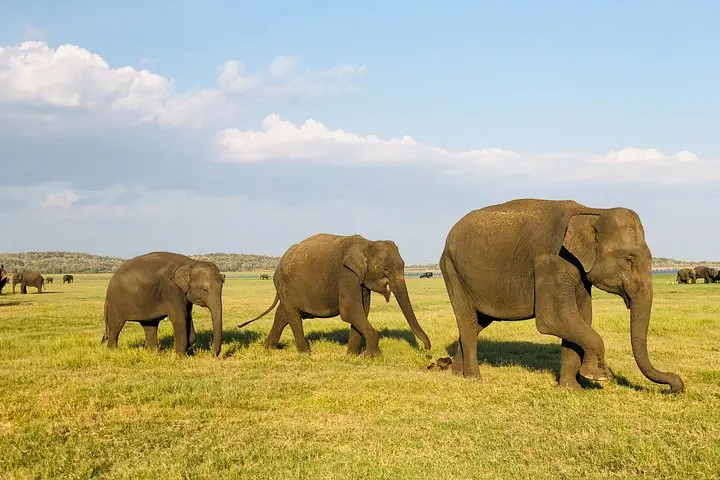
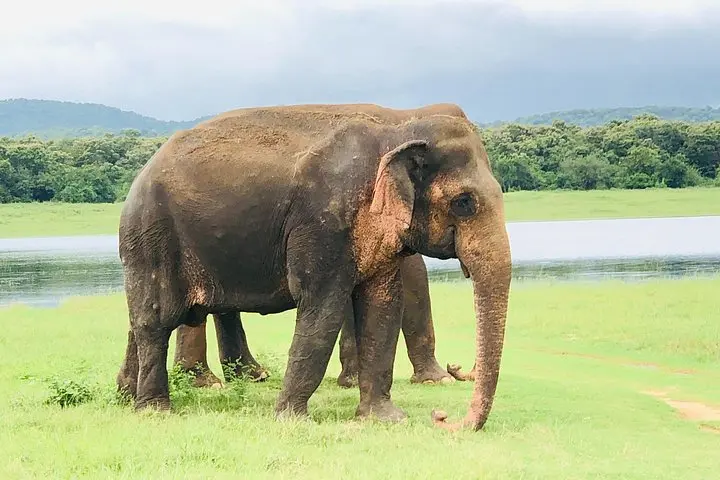
Morning light breaks over low, scrubby plains and the reservoir throws silver across a broad horizon. You slide into an open jeep and the track begins—red earth beneath the tires, tall grass hissing at the edges. The landscape moves deliberately: a lone bull elephant lifts its trunk as if testing the air, waterbirds wheel over the reservoir, and the driver eases the vehicle closer without hurry.
Morning light breaks over low, scrubby plains and the reservoir throws silver across a broad horizon. You slide into an open jeep and the track begins—red earth beneath the tires, tall grass hissing at the edges. The landscape moves deliberately: a lone bull elephant lifts its trunk as if testing the air, waterbirds wheel over the reservoir, and the driver eases the vehicle closer without hurry.
Udawalawe National Park was created in the 1970s around the reservoir built for irrigation; geology here is recent alluvium and weathered rock that forms broad plains and shallow wetlands. The park sits at low elevation, and its human story is tied to water management and elephant conservation—the Elephant Transit Home on the park’s edge rehabilitates orphaned calves before release. Local culture is rural and agricultural; small villages around the park supply roadside markets where spice and dried fish are sold.
Practically: this is a day-vehicle safari—expect 3–4 hours in the park plus transfers (the full tour runs about eight hours). Terrain is flat to gently rolling dirt tracks; the experience is visual and auditory rather than a hike. Bring binoculars, a sun hat, sunscreen, and water; mornings and late afternoons are when elephants congregate near water. Respect the guide’s distance rules, keep noise low, and avoid flash photography.
Timing, light, and patience deliver the best sightings. The park’s mix of reservoir shoreline, grassland, and scrub rewards hours of slow scanning—be ready for sudden movement as the animals decide the day for themselves.