THE ADVENTURE COLLECTIVE® · Independent discovery and booking for outdoor travel

Drive across rust-red tracks and meet herds of elephants at Udawalawe National Park. This guided 4–5 hour jeep safari pairs reliable sightings with interpretive guides focused on conservation.
Drive across rust-red tracks and meet herds of elephants at Udawalawe National Park. This guided 4–5 hour jeep safari pairs reliable sightings with interpretive guides focused on conservation.
The jeep bumps onto a red-dirt track and the dry grass parts like a crowd—elephants appear, slow and deliberate, framed against the reservoir's pale glare. Early light picks out dust on their backs while painted storks quarter the shallows; your guide listens to the landscape the way a conductor reads a score.
Verified experiences and guided adventures in the surrounding area.
Operated by Kottawatta Safari Tours · Udawalawe, Sabaragamuwa Province
The jeep bumps onto a red-dirt track and the dry grass parts like a crowd—elephants appear, slow and deliberate, framed against the reservoir's pale glare. Early light picks out dust on their backs while painted storks quarter the shallows; your guide listens to the landscape the way a conductor reads a score.
Udawalawe was created to protect wildlife displaced by the Udawalawe Reservoir on the Walawe River; today the park's open grasslands and low bush attract large herds of Asian elephants and a concentration of waterbirds. Geologically, the park sits on ancient metamorphic rock with shallow, well-drained soils that favor savanna-like vegetation rather than dense forest. The human story here ties to post-colonial irrigation projects and contemporary conservation that balances livelihoods and habitat.
On a standard 4–5 hour jeep safari you cover uneven tracks, short grass plains, marsh edges and reservoir viewpoints. Guides with decade-long experience read spoor, time sightings, and place animals in ecological context—why elephants move toward the reservoir at certain hours, or where raptors hunt after midday heat.
Practical notes: arrive with sun protection, a pair of binoculars, and a charged camera. Safaris move at the animals' pace—stay with the group, keep windows partly shaded for photography, and avoid sudden moves that stress wildlife. Morning and late-afternoon drives offer the best light and animal activity; mid-day can be quiet and hot. The experience is straightforward, ethical, and accessible for first-time wildlife viewers while still rewarding for seasoned naturalists.
The standard safari lasts about 4 to 4.5 hours (270 minutes), covering key zones around the reservoir and grasslands.
Sightings are likely—Udawalawe has high odds for elephants and many bird species—but wildlife sightings can’t be guaranteed.
Yes; the jeep and pace make the safari accessible, though infants are recommended to sit on laps and those with spinal issues should consult the operator.
Guides commonly speak English and local languages; operators often provide interpreters on request for private tours.
Kottawatta Safari Tours operates guided outdoor trips and adventures with an emphasis on safety, stewardship, and memorable experiences.
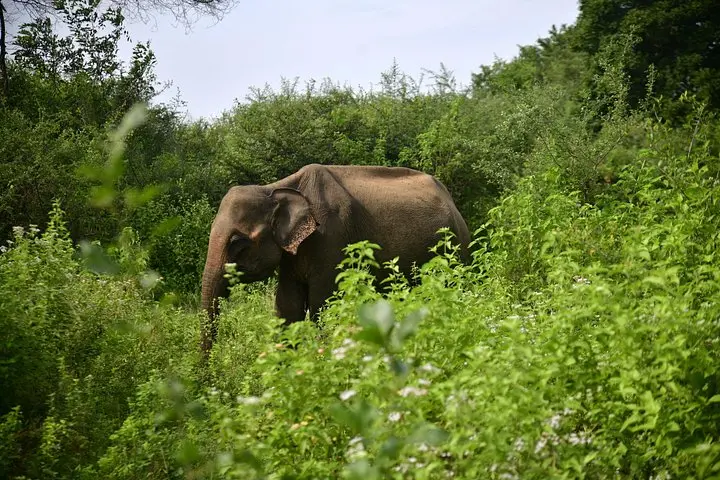
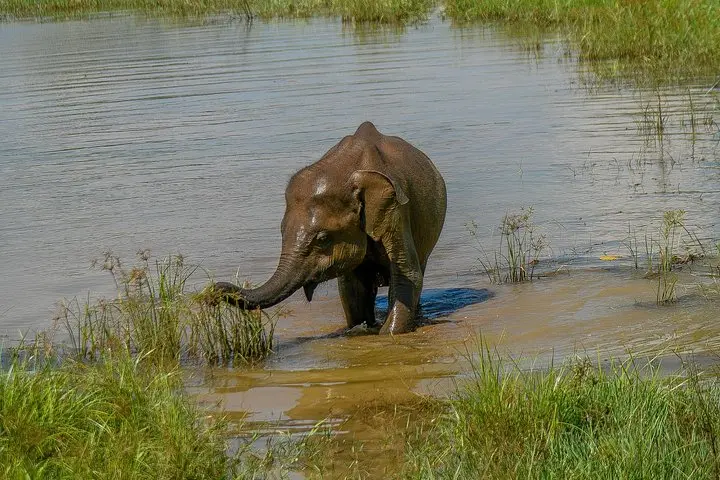
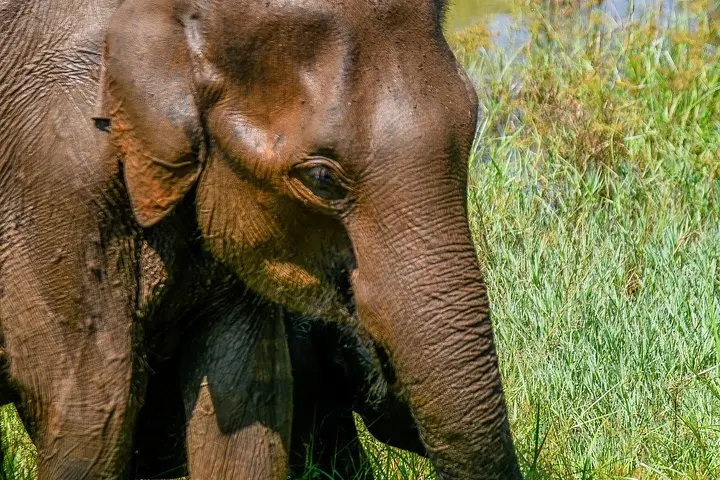
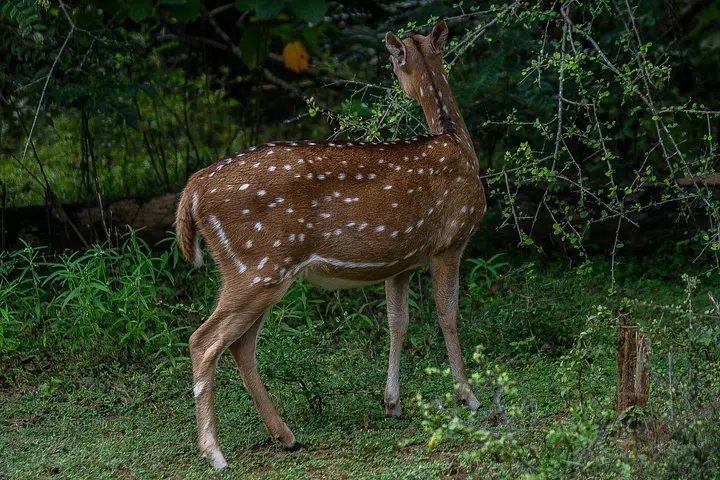
The jeep bumps onto a red-dirt track and the dry grass parts like a crowd—elephants appear, slow and deliberate, framed against the reservoir's pale glare. Early light picks out dust on their backs while painted storks quarter the shallows; your guide listens to the landscape the way a conductor reads a score.
The jeep bumps onto a red-dirt track and the dry grass parts like a crowd—elephants appear, slow and deliberate, framed against the reservoir's pale glare. Early light picks out dust on their backs while painted storks quarter the shallows; your guide listens to the landscape the way a conductor reads a score.
Udawalawe was created to protect wildlife displaced by the Udawalawe Reservoir on the Walawe River; today the park's open grasslands and low bush attract large herds of Asian elephants and a concentration of waterbirds. Geologically, the park sits on ancient metamorphic rock with shallow, well-drained soils that favor savanna-like vegetation rather than dense forest. The human story here ties to post-colonial irrigation projects and contemporary conservation that balances livelihoods and habitat.
On a standard 4–5 hour jeep safari you cover uneven tracks, short grass plains, marsh edges and reservoir viewpoints. Guides with decade-long experience read spoor, time sightings, and place animals in ecological context—why elephants move toward the reservoir at certain hours, or where raptors hunt after midday heat.
Practical notes: arrive with sun protection, a pair of binoculars, and a charged camera. Safaris move at the animals' pace—stay with the group, keep windows partly shaded for photography, and avoid sudden moves that stress wildlife. Morning and late-afternoon drives offer the best light and animal activity; mid-day can be quiet and hot. The experience is straightforward, ethical, and accessible for first-time wildlife viewers while still rewarding for seasoned naturalists.