THE ADVENTURE COLLECTIVE® · Independent discovery and booking for outdoor travel

Spend a half- to full-day tracking elephants, buffalo and marsh birds across the plains around Udawalawe Reservoir. This practical guide explains what to expect—terrain, timing, and local context—to help you plan a successful safari.
Spend a half- to full-day tracking elephants, buffalo and marsh birds across the plains around Udawalawe Reservoir. This practical guide explains what to expect—terrain, timing, and local context—to help you plan a successful safari.
The morning heat presses against the jeep as you roll toward the shimmering body of Udawalawe Reservoir; grasslands open like pages and a line of elephants waits at the water’s edge, trunks probing the surface as birds wheel overhead.
Verified experiences and guided adventures in the surrounding area.
Operated by Lankan Smile's Safari Udawalawa. · Udawalawe, Sabaragamuwa Province
The morning heat presses against the jeep as you roll toward the shimmering body of Udawalawe Reservoir; grasslands open like pages and a line of elephants waits at the water’s edge, trunks probing the surface as birds wheel overhead.
Udawalawe was set aside in the early 1970s after the reservoir was created to secure water catchment and provide space for wildlife displaced by development. The park’s flat plains and scattered scrub are carved from ancient sedimentary soils and riverine deposits, creating seasonal wetlands that draw large mammals and migratory birds.
Local culture around Udawalawe blends agricultural villages, Ceylon tea rituals, and small markets where guides buy provisions before a long day. The nearby Elephant Transit Home rehabilitates rescued calves and is a useful stop for context on human–elephant coexistence.
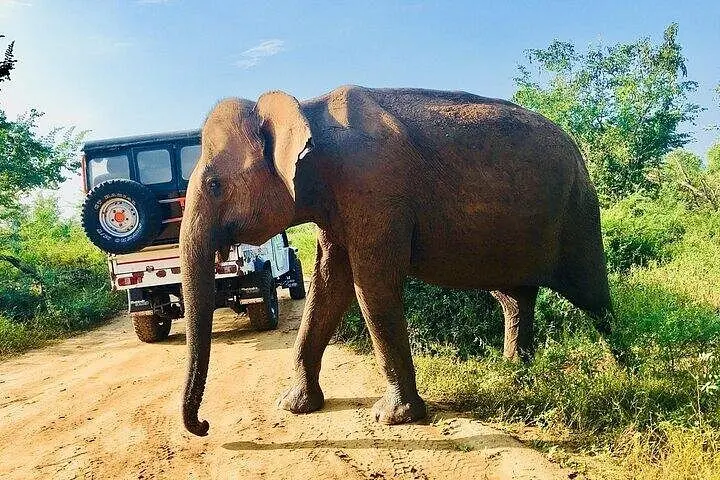
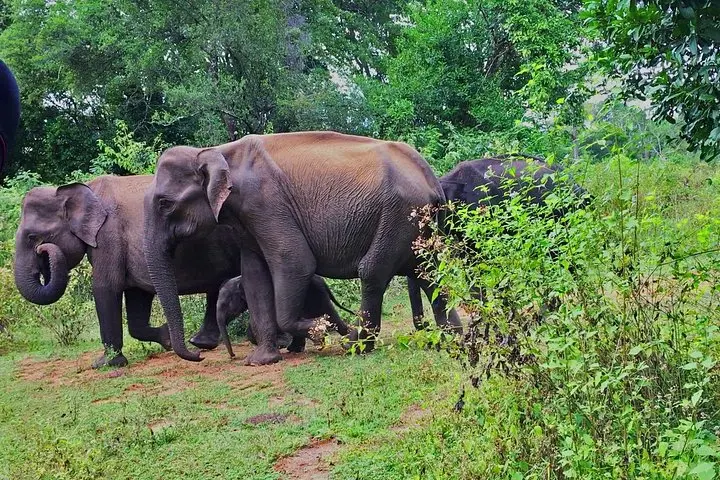
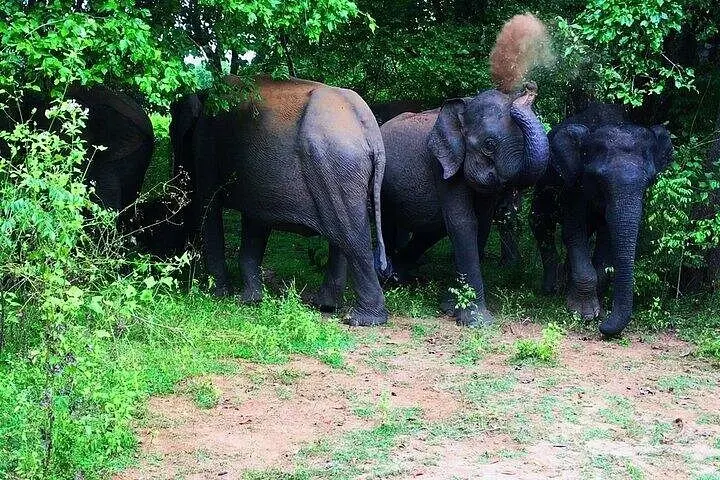
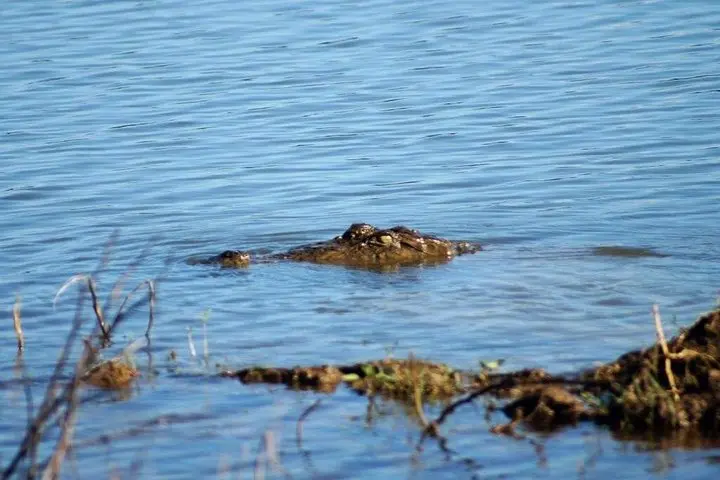
On a standard 4–6 hour safari you’ll ride in an open 4x4, scanning for Asian elephants, sambar and spotted deer, water buffalo and marsh crocodiles; raptors like hawk-eagles and kites are common on thermals. Wildlife sightings are variable—guides read tracks and seasonal water patterns rather than promise sightings.
Practical notes: start early when animal activity peaks, bring sun protection and layered clothing for unpredictable shade, and carry water even if bottled water is provided. Respect park rules—stay in the vehicle, avoid flash photography near calves, and tip guides who use local knowledge to find animals. Expect dry dusty tracks, occasional washouts in monsoon months, and a pace that alternates between long stillness and sudden, breathless movement when an elephant appears.
Udawalawe is best known for Asian elephants, but you can also expect water buffalo, sambar and spotted deer, marsh crocodiles, and many water and raptor bird species.
You can buy entrance tickets at the park gate and many operators advise buying on arrival; during peak season or group tours, confirm with your operator whether they handle tickets.
Safaris are generally family-friendly and the terrain is driven, but vehicle access and bumpy tracks can be uncomfortable for those with mobility issues—ask for accessible vehicle options if needed.
Dry months (roughly December–April) concentrate wildlife around water and often yield better daytime sightings; monsoon periods can make some tracks muddy and sightings more dispersed.
Lankan Smile's Safari Udawalawa. operates guided outdoor trips and adventures with an emphasis on safety, stewardship, and memorable experiences.
The morning heat presses against the jeep as you roll toward the shimmering body of Udawalawe Reservoir; grasslands open like pages and a line of elephants waits at the water’s edge, trunks probing the surface as birds wheel overhead.
The morning heat presses against the jeep as you roll toward the shimmering body of Udawalawe Reservoir; grasslands open like pages and a line of elephants waits at the water’s edge, trunks probing the surface as birds wheel overhead.
Udawalawe was set aside in the early 1970s after the reservoir was created to secure water catchment and provide space for wildlife displaced by development. The park’s flat plains and scattered scrub are carved from ancient sedimentary soils and riverine deposits, creating seasonal wetlands that draw large mammals and migratory birds.
Local culture around Udawalawe blends agricultural villages, Ceylon tea rituals, and small markets where guides buy provisions before a long day. The nearby Elephant Transit Home rehabilitates rescued calves and is a useful stop for context on human–elephant coexistence.
On a standard 4–6 hour safari you’ll ride in an open 4x4, scanning for Asian elephants, sambar and spotted deer, water buffalo and marsh crocodiles; raptors like hawk-eagles and kites are common on thermals. Wildlife sightings are variable—guides read tracks and seasonal water patterns rather than promise sightings.
Practical notes: start early when animal activity peaks, bring sun protection and layered clothing for unpredictable shade, and carry water even if bottled water is provided. Respect park rules—stay in the vehicle, avoid flash photography near calves, and tip guides who use local knowledge to find animals. Expect dry dusty tracks, occasional washouts in monsoon months, and a pace that alternates between long stillness and sudden, breathless movement when an elephant appears.