THE ADVENTURE COLLECTIVE® · Independent discovery and booking for outdoor travel

Spend a full day scanning Udawalawe’s plains for elephants, crocodiles and waterbirds. This practical guide covers what to expect on a vehicle-based safari, when to go, and how to prepare for an authentic wildlife day in Sri Lanka.
Spend a full day scanning Udawalawe’s plains for elephants, crocodiles and waterbirds. This practical guide covers what to expect on a vehicle-based safari, when to go, and how to prepare for an authentic wildlife day in Sri Lanka.
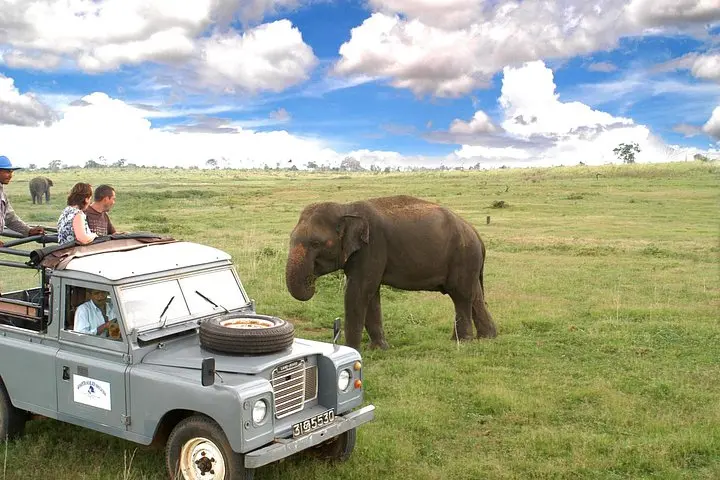
The jeep rolls off the gravel and the reservoir opens up like a pale mirror; birds quarter the shoreline and a family of elephants picks through the scrub as if time has slowed just for them. Morning light cuts across the dry plains of Udawalawe and the air smells of dust, sun-warmed grass and distant river mud.
Verified experiences and guided adventures in the surrounding area.
Operated by KINGFISHER TOURS SRI LANKA · Udawalawe, Sabaragamuwa Province
The jeep rolls off the gravel and the reservoir opens up like a pale mirror; birds quarter the shoreline and a family of elephants picks through the scrub as if time has slowed just for them. Morning light cuts across the dry plains of Udawalawe and the air smells of dust, sun-warmed grass and distant river mud.
Udawalawe National Park was created in the early 1970s after the Udawalawe Reservoir was built to conserve animals displaced by flooding. The landscape is low-lying limestone and alluvial plain shaped by the Walawe River; scattered thorn scrub, grasslands and the reservoir edge create predictable corridors for elephants and crocodiles. Local villages and the nearby Elephant Transit Home add cultural texture—handfuls of guides and keepers who live by the rhythm of the animals.
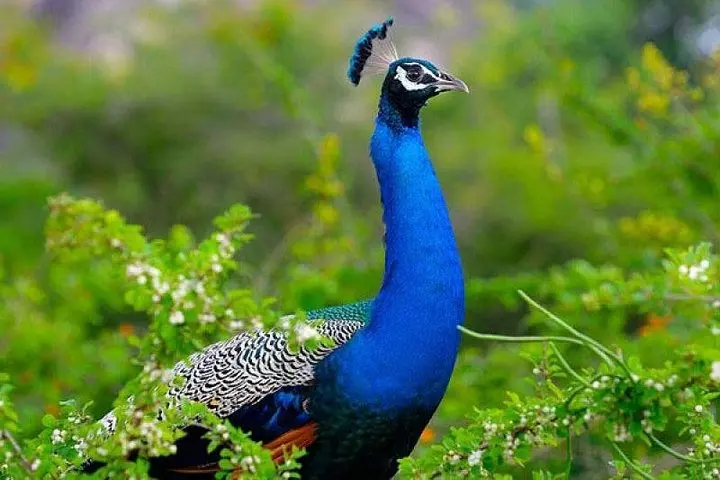
On a full-day safari you can expect long drives in a comfortable vehicle, multiple stop-and-scan sessions, and optional short walks near observation points. Wildlife viewing focuses on Asian elephants, waterbirds, and the occasional mugger crocodile; mornings and late afternoons are best for activity.
Practical tips: arrive with layered sun protection, binoculars, and a charged camera; carry cash for park entrance and the optional Elephant Transit Home visit; wear closed shoes for short walks and insect repellent for wet patches. Follow your driver-guide’s directions: stay in the vehicle unless told otherwise, and keep a respectful distance from wildlife. With patient scanning and a steady lens, a single day here delivers close wildlife encounters, wide reservoir views, and a clear sense of why this corner of Sri Lanka matters.
No — entrance fees and Jeep rental are typically paid locally; confirm details with your operator before arrival.
Yes, it’s an optional side visit near the park; timing depends on the day’s itinerary and your operator’s schedule.
Early morning and late afternoon offer the most animal activity and the best light for photography.
Many operators provide vehicle pickup that is wheelchair accessible, but terrain inside the park can be uneven — check accessibility details ahead of booking.
KINGFISHER TOURS SRI LANKA operates guided outdoor trips and adventures with an emphasis on safety, stewardship, and memorable experiences.
The jeep rolls off the gravel and the reservoir opens up like a pale mirror; birds quarter the shoreline and a family of elephants picks through the scrub as if time has slowed just for them. Morning light cuts across the dry plains of Udawalawe and the air smells of dust, sun-warmed grass and distant river mud.
The jeep rolls off the gravel and the reservoir opens up like a pale mirror; birds quarter the shoreline and a family of elephants picks through the scrub as if time has slowed just for them. Morning light cuts across the dry plains of Udawalawe and the air smells of dust, sun-warmed grass and distant river mud.
Udawalawe National Park was created in the early 1970s after the Udawalawe Reservoir was built to conserve animals displaced by flooding. The landscape is low-lying limestone and alluvial plain shaped by the Walawe River; scattered thorn scrub, grasslands and the reservoir edge create predictable corridors for elephants and crocodiles. Local villages and the nearby Elephant Transit Home add cultural texture—handfuls of guides and keepers who live by the rhythm of the animals.
On a full-day safari you can expect long drives in a comfortable vehicle, multiple stop-and-scan sessions, and optional short walks near observation points. Wildlife viewing focuses on Asian elephants, waterbirds, and the occasional mugger crocodile; mornings and late afternoons are best for activity.
Practical tips: arrive with layered sun protection, binoculars, and a charged camera; carry cash for park entrance and the optional Elephant Transit Home visit; wear closed shoes for short walks and insect repellent for wet patches. Follow your driver-guide’s directions: stay in the vehicle unless told otherwise, and keep a respectful distance from wildlife. With patient scanning and a steady lens, a single day here delivers close wildlife encounters, wide reservoir views, and a clear sense of why this corner of Sri Lanka matters.