THE ADVENTURE COLLECTIVE® · Independent discovery and booking for outdoor travel

A private, four-hour jeep safari across the dry plains of Udawalawe where dense elephant activity, prolific birds and manageable tracks make for reliable wildlife viewing. Practical tips and what to expect for first-time safari-goers.
A private, four-hour jeep safari across the dry plains of Udawalawe where dense elephant activity, prolific birds and manageable tracks make for reliable wildlife viewing. Practical tips and what to expect for first-time safari-goers.
Dawn breaks over flat grasslands; the jeep rolls through dust that the sun quickly pulls apart, and a distant herd of elephants rearranges the morning. Udawalawe’s open plains and seasonal tanks give the park a clean, readable landscape — you can see a lone bull on a ridge, birds riding the currents, and water daring you to come closer.
Verified experiences and guided adventures in the surrounding area.
Operated by One Two Three Safari Udawalawa · Udawalawe, Sabaragamuwa Province
Dawn breaks over flat grasslands; the jeep rolls through dust that the sun quickly pulls apart, and a distant herd of elephants rearranges the morning. Udawalawe’s open plains and seasonal tanks give the park a clean, readable landscape — you can see a lone bull on a ridge, birds riding the currents, and water daring you to come closer.
Created in the early 1970s around the Udawalawe Reservoir to protect the catchment and resident wildlife, the park sits in Sri Lanka’s dry zone where laterite soils, rocky outcrops and scrub woodland shape sightlines and animal movement. Local culture ties closely to the land: the nearby Elephant Transit Home rehabilitates orphaned calves and village life still orbits agriculture and the rhythm of the reservoir.
On a private four-hour safari you’ll travel by jeep with a driver-guide who knows the tracks and animal patterns. Expect frequent elephant sightings, water buffalo, sambar deer and prolific birdlife — raptors, storks and kingfishers exploit the water margins. Geology is subtle here: sandstone ridges and shallow wetlands create concentrated grazing areas that draw animals in predictable ways.
Practical edge: aim for early morning or late afternoon light when animals are active and the air cools. Carry binoculars and a telephoto lens, wear neutral, low-noise clothing, and bring sun protection and reusable water bottles; snacks and lunch are often included but bring motion-sickness remedies if you’re sensitive to bumping tracks. Respect viewing distances — vehicles set the pace, not your zoom — and plan for dusty roads and sudden, unforgettable close encounters with Sri Lanka’s giants.
This private safari runs about four hours total, typically including transit time, game viewing, and driver/guide support.
Udawalawe has a high probability of elephant sightings, often in herds, but sightings can’t be guaranteed due to animal movement.
Yes — the tour is rated easy; passengers stay in a jeep and activity is low-impact, though boarding and bumpy tracks may challenge some mobility needs.
Park fees and permits are usually arranged by the operator, but bring small cash for tips, drinks, or local purchases.
One Two Three Safari Udawalawa operates guided outdoor trips and adventures with an emphasis on safety, stewardship, and memorable experiences.
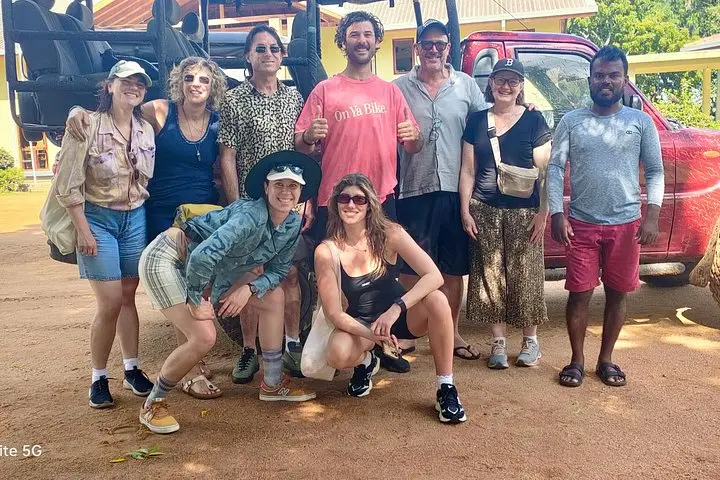
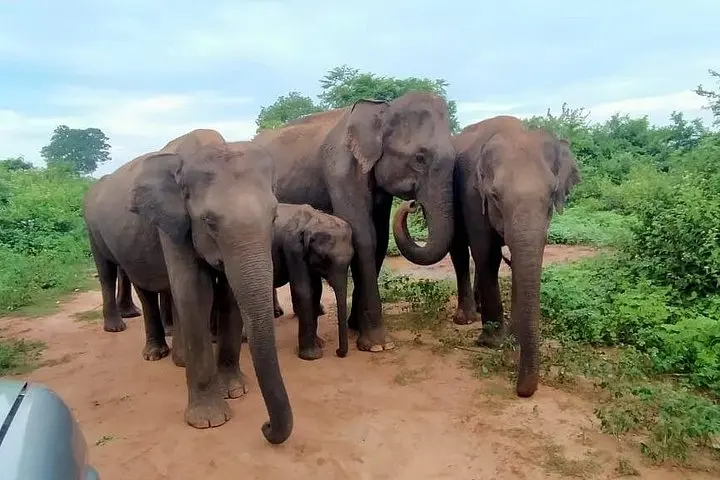
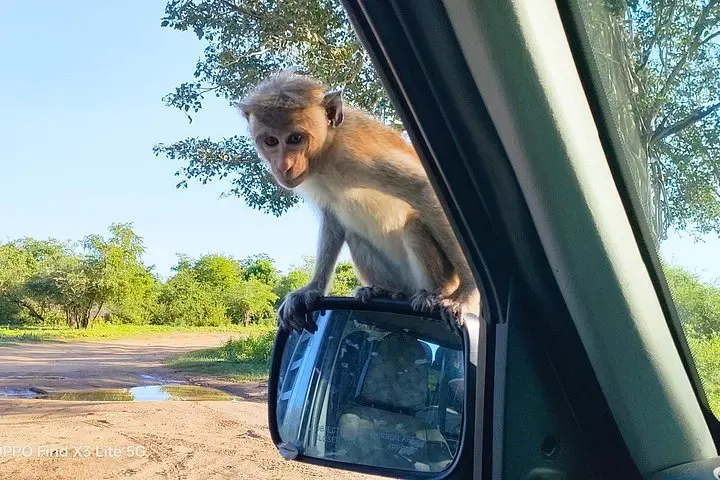
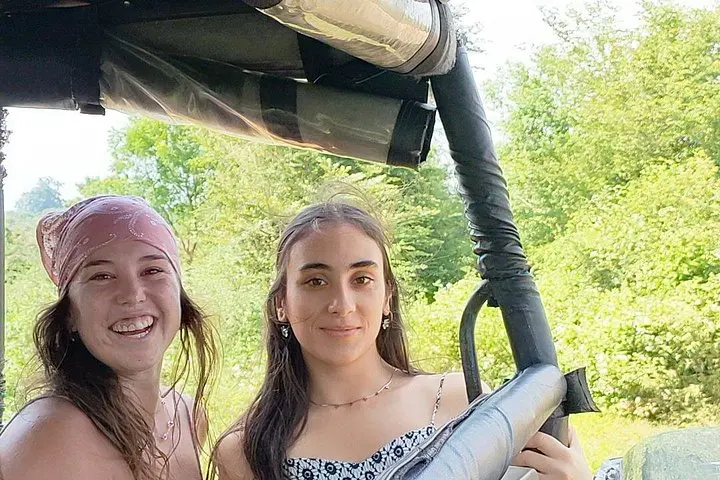
Dawn breaks over flat grasslands; the jeep rolls through dust that the sun quickly pulls apart, and a distant herd of elephants rearranges the morning. Udawalawe’s open plains and seasonal tanks give the park a clean, readable landscape — you can see a lone bull on a ridge, birds riding the currents, and water daring you to come closer.
Dawn breaks over flat grasslands; the jeep rolls through dust that the sun quickly pulls apart, and a distant herd of elephants rearranges the morning. Udawalawe’s open plains and seasonal tanks give the park a clean, readable landscape — you can see a lone bull on a ridge, birds riding the currents, and water daring you to come closer.
Created in the early 1970s around the Udawalawe Reservoir to protect the catchment and resident wildlife, the park sits in Sri Lanka’s dry zone where laterite soils, rocky outcrops and scrub woodland shape sightlines and animal movement. Local culture ties closely to the land: the nearby Elephant Transit Home rehabilitates orphaned calves and village life still orbits agriculture and the rhythm of the reservoir.
On a private four-hour safari you’ll travel by jeep with a driver-guide who knows the tracks and animal patterns. Expect frequent elephant sightings, water buffalo, sambar deer and prolific birdlife — raptors, storks and kingfishers exploit the water margins. Geology is subtle here: sandstone ridges and shallow wetlands create concentrated grazing areas that draw animals in predictable ways.
Practical edge: aim for early morning or late afternoon light when animals are active and the air cools. Carry binoculars and a telephoto lens, wear neutral, low-noise clothing, and bring sun protection and reusable water bottles; snacks and lunch are often included but bring motion-sickness remedies if you’re sensitive to bumping tracks. Respect viewing distances — vehicles set the pace, not your zoom — and plan for dusty roads and sudden, unforgettable close encounters with Sri Lanka’s giants.