THE ADVENTURE COLLECTIVE® · Independent discovery and booking for outdoor travel

A private 4x4 safari through Udawalawe National Park puts you within view of large herds of Asian elephants, broad reservoirs, and abundant birdlife. Learn when to go, what to expect, and how to make the most of a half-day wildlife encounter.
A private 4x4 safari through Udawalawe National Park puts you within view of large herds of Asian elephants, broad reservoirs, and abundant birdlife. Learn when to go, what to expect, and how to make the most of a half-day wildlife encounter.
A low, gravelly engine note fades as your 4x4 rolls into open grassland and the plain opens like a page. Early light paints the reservoir silver; a trio of elephants—bull, cow, calf—move through knee-high reeds, trunks probing the water as if daring the morning to move them. The jeep slows. Your guide points, voice low: this is Udawalawe.
Verified experiences and guided adventures in the surrounding area.
Operated by Udawalawe National Park Privet Safari Tour · Udawalawe, Sabaragamuwa Province
A low, gravelly engine note fades as your 4x4 rolls into open grassland and the plain opens like a page. Early light paints the reservoir silver; a trio of elephants—bull, cow, calf—move through knee-high reeds, trunks probing the water as if daring the morning to move them. The jeep slows. Your guide points, voice low: this is Udawalawe.
Created after the Udawalawe Reservoir was dammed in the 1960s, the park preserves seasonal wetlands and dry scrub that support large herds of Asian elephants. Geologically the area is a mix of metamorphic bedrock and alluvial plains; the result is broad pans, pocketed lakes and grassy corridors that funnel wildlife. Local villages around the park maintain agricultural ties to the land, and the Elephant Transit Home nearby underscores the region’s conservation focus.
On a private safari you get both pace and proximity: guides read spoor and seasonal patterns, drivers handle rugged tracks, and the jeep lets you stop for long, careful observations. Expect elephant sightings most mornings and late afternoons; predators like leopards are elusive but present. Birdlife is abundant—fish eagles and storks patrol the skies.
Practical guidance: bring sun protection, binoculars, and closed shoes; sit on the shaded side of the jeep for the best light and comfort. Respect park rules—no disembarking except at designated spots, keep a safe distance from wildlife, and follow the guide’s instructions. Tours run 3–4 hours, ideal as a half-day venture from nearby towns. With a private vehicle and experienced driver, the park’s rhythms reveal themselves on your terms.
Udawalawe has a high density of Asian elephants and sightings are very likely, especially in early morning or late afternoon, but wildlife can never be guaranteed.
Pickup logistics vary by operator—confirm your booking’s pickup point since private tours often offer hotel transfers or set pickup locations.
Yes—many operators allow children, but check age policies and safety rules; children should remain seated and follow the guide’s instructions.
Confirm at booking; some private tours include park entrance and vehicle fees while others add them at checkout or on the day.
Udawalawe National Park Privet Safari Tour operates guided outdoor trips and adventures with an emphasis on safety, stewardship, and memorable experiences.
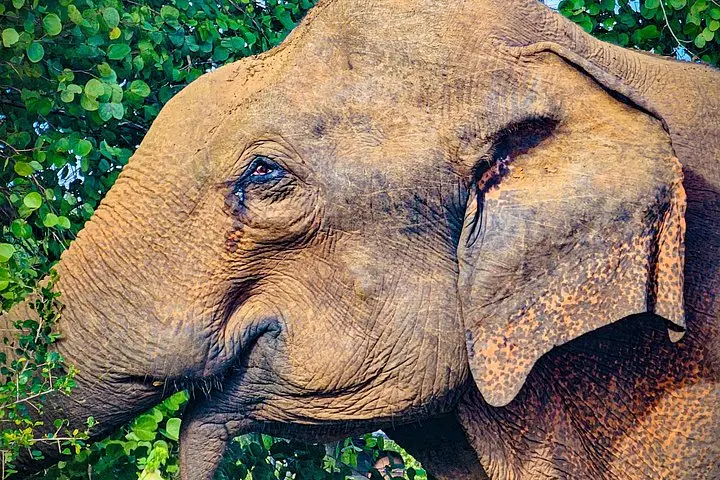
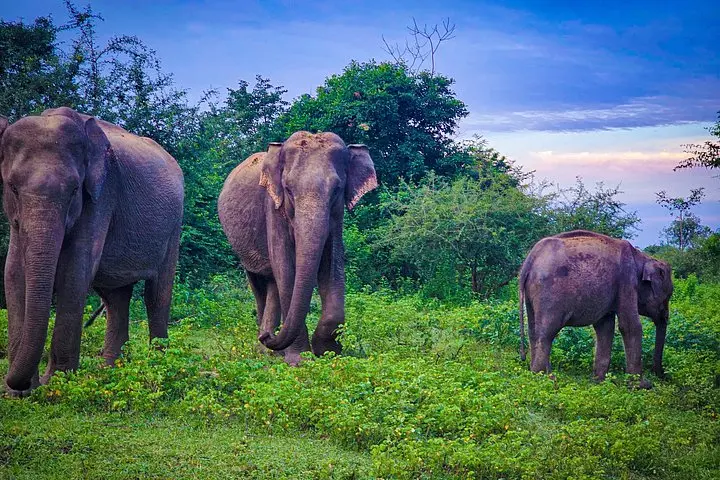
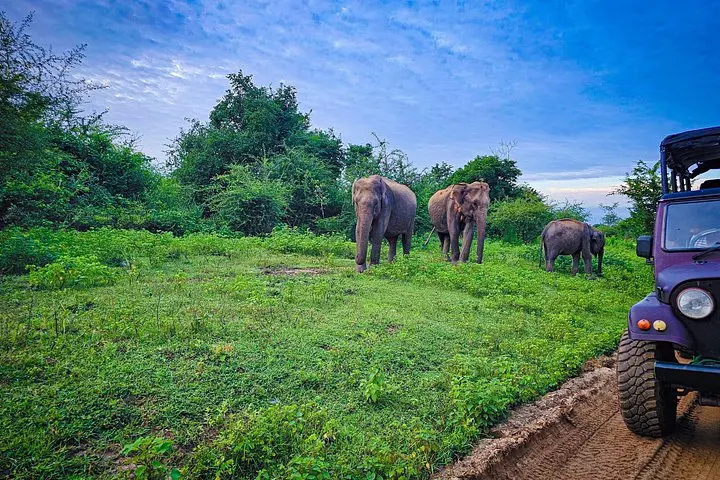
A low, gravelly engine note fades as your 4x4 rolls into open grassland and the plain opens like a page. Early light paints the reservoir silver; a trio of elephants—bull, cow, calf—move through knee-high reeds, trunks probing the water as if daring the morning to move them. The jeep slows. Your guide points, voice low: this is Udawalawe.
A low, gravelly engine note fades as your 4x4 rolls into open grassland and the plain opens like a page. Early light paints the reservoir silver; a trio of elephants—bull, cow, calf—move through knee-high reeds, trunks probing the water as if daring the morning to move them. The jeep slows. Your guide points, voice low: this is Udawalawe.
Created after the Udawalawe Reservoir was dammed in the 1960s, the park preserves seasonal wetlands and dry scrub that support large herds of Asian elephants. Geologically the area is a mix of metamorphic bedrock and alluvial plains; the result is broad pans, pocketed lakes and grassy corridors that funnel wildlife. Local villages around the park maintain agricultural ties to the land, and the Elephant Transit Home nearby underscores the region’s conservation focus.
On a private safari you get both pace and proximity: guides read spoor and seasonal patterns, drivers handle rugged tracks, and the jeep lets you stop for long, careful observations. Expect elephant sightings most mornings and late afternoons; predators like leopards are elusive but present. Birdlife is abundant—fish eagles and storks patrol the skies.
Practical guidance: bring sun protection, binoculars, and closed shoes; sit on the shaded side of the jeep for the best light and comfort. Respect park rules—no disembarking except at designated spots, keep a safe distance from wildlife, and follow the guide’s instructions. Tours run 3–4 hours, ideal as a half-day venture from nearby towns. With a private vehicle and experienced driver, the park’s rhythms reveal themselves on your terms.