THE ADVENTURE COLLECTIVE® · Independent discovery and booking for outdoor travel

Two days of contrasting Sri Lanka: dawn jeep safaris among Udawalawe’s elephants, then colonial streets and sea views in Galle Fort. Practical, compact and ideal for travelers who want wildlife and history on a short trip.
Two days of contrasting Sri Lanka: dawn jeep safaris among Udawalawe’s elephants, then colonial streets and sea views in Galle Fort. Practical, compact and ideal for travelers who want wildlife and history on a short trip.
You step into the back of an air‑conditioned vehicle at 08:30, Colombo shrinking behind you as paddy fields and cashew groves edge the highway. Hours later the scrub and marshes of Udawalawe spread wide—open grasslands that seem to watch you back as elephants pick their way through the dawn.
Verified experiences and guided adventures in the surrounding area.
Operated by Lakpura LLC · Colombo, Western Province
You step into the back of an air‑conditioned vehicle at 08:30, Colombo shrinking behind you as paddy fields and cashew groves edge the highway. Hours later the scrub and marshes of Udawalawe spread wide—open grasslands that seem to watch you back as elephants pick their way through the dawn.
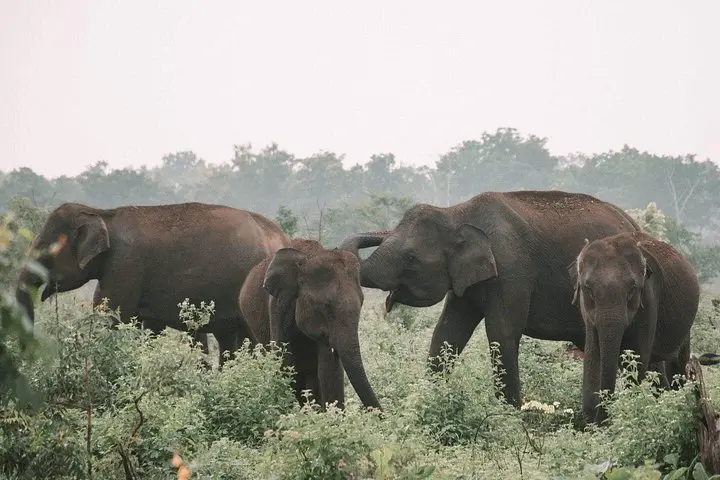
Udawalawe National Park was established in the 1970s to protect displaced wildlife after reservoir construction; its lowland terrain (sea level to roughly 200 m) is a mix of marsh, riverine forest and grassy plains, excellent for spotting Sri Lankan elephants and waterbirds. The geology is gentle—lateritic soils and shallow rock outcrops—not a hike so much as observational travel. On day two the tour shifts tone: colonial stone streets, Dutch bastions and the white Galle Lighthouse tell the story of Portuguese and Dutch seafaring commerce that reshaped Sri Lanka’s southern coast.
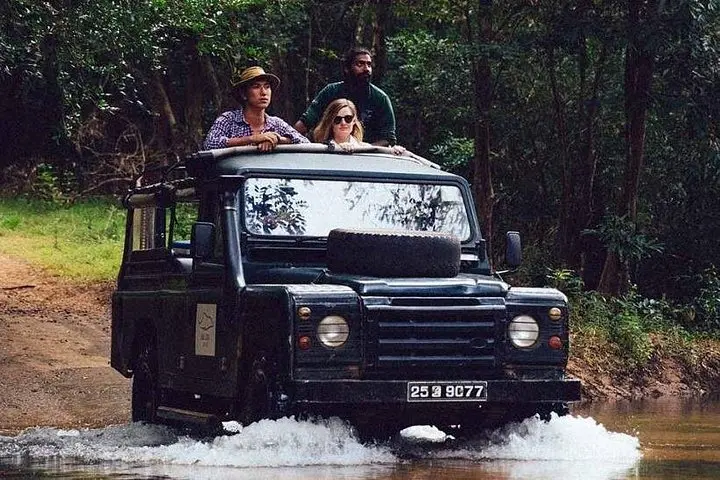
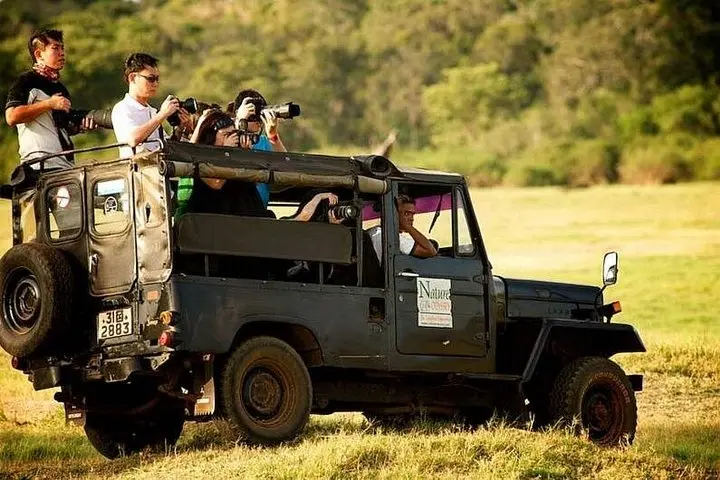
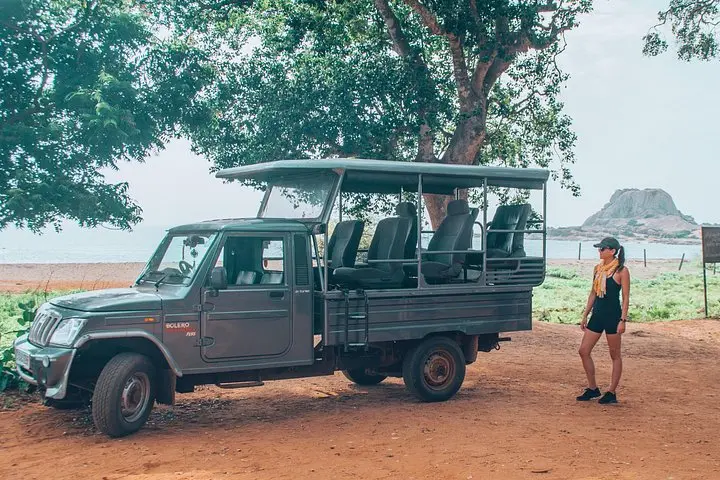
Expect roughly 4–5 hours driving from Colombo to Udawalawe, a three‑hour jeep safari each day in the park, then 2–3 hours onward to Galle for a focused walk through the fort’s museums and ramparts. Terrain is flat; walking in Galle is on cobbled streets and fort walls. Bring binoculars for wildlife viewing and a camera with a mid‑range zoom; mosquitoes favor the marsh edges at dusk, and the sun is strong mid‑day.
Practical tip: start safaris at first light for the best animal activity, hydrate constantly, and plan for bumpy jeep tracks. This itinerary balances wildlife viewing with coastal culture—compact, accessible and rich in variety.
Expect roughly 4–5 hours (about 160–200 km) by private vehicle depending on traffic and chosen route.
Udawalawe is known for regular elephant sightings, but wildlife is not guaranteed; early morning safaris increase your chances.
The trip is family‑friendly and labeled physically easy; however, safaris involve bumpy rides—infant seats are available on request and notify the operator of special needs.
Light, breathable clothing and closed or sturdy sandals for cobblestones; modest dress is appropriate when visiting museums or religious sites.
Lakpura LLC operates guided outdoor trips and adventures with an emphasis on safety, stewardship, and memorable experiences.
You step into the back of an air‑conditioned vehicle at 08:30, Colombo shrinking behind you as paddy fields and cashew groves edge the highway. Hours later the scrub and marshes of Udawalawe spread wide—open grasslands that seem to watch you back as elephants pick their way through the dawn.
You step into the back of an air‑conditioned vehicle at 08:30, Colombo shrinking behind you as paddy fields and cashew groves edge the highway. Hours later the scrub and marshes of Udawalawe spread wide—open grasslands that seem to watch you back as elephants pick their way through the dawn.
Udawalawe National Park was established in the 1970s to protect displaced wildlife after reservoir construction; its lowland terrain (sea level to roughly 200 m) is a mix of marsh, riverine forest and grassy plains, excellent for spotting Sri Lankan elephants and waterbirds. The geology is gentle—lateritic soils and shallow rock outcrops—not a hike so much as observational travel. On day two the tour shifts tone: colonial stone streets, Dutch bastions and the white Galle Lighthouse tell the story of Portuguese and Dutch seafaring commerce that reshaped Sri Lanka’s southern coast.
Expect roughly 4–5 hours driving from Colombo to Udawalawe, a three‑hour jeep safari each day in the park, then 2–3 hours onward to Galle for a focused walk through the fort’s museums and ramparts. Terrain is flat; walking in Galle is on cobbled streets and fort walls. Bring binoculars for wildlife viewing and a camera with a mid‑range zoom; mosquitoes favor the marsh edges at dusk, and the sun is strong mid‑day.
Practical tip: start safaris at first light for the best animal activity, hydrate constantly, and plan for bumpy jeep tracks. This itinerary balances wildlife viewing with coastal culture—compact, accessible and rich in variety.