THE ADVENTURE COLLECTIVE® · Independent discovery and booking for outdoor travel

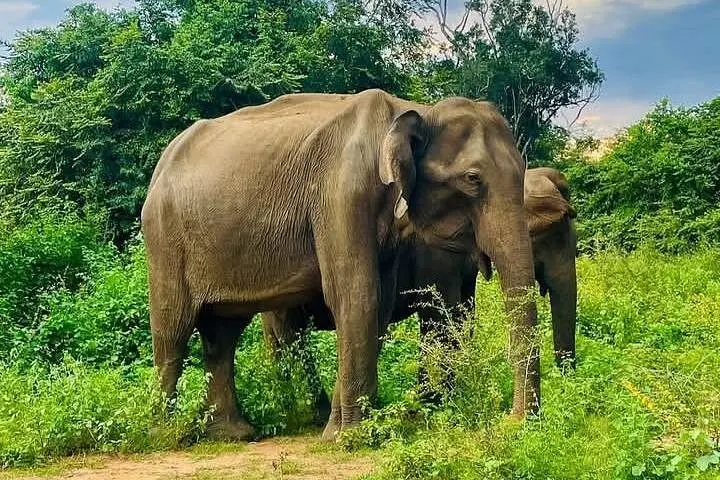
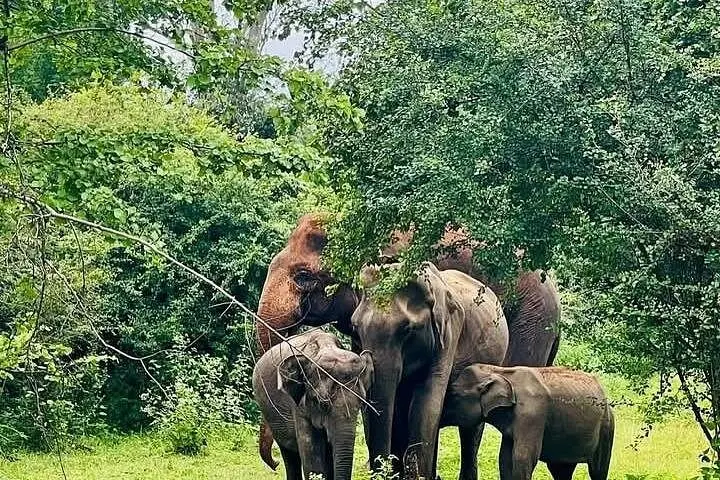
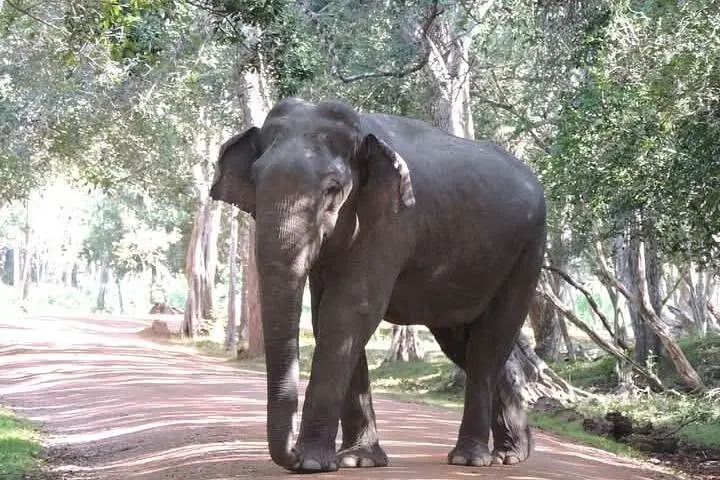
Swap the coast for open plains on a day that begins in Mirissa and ends with a 4‑hour safari in Udawalawe National Park. Expect guaranteed elephant sightings, roadside snacks, and a long but rewarding day of wildlife and landscape photography.
Swap the coast for open plains on a day that begins in Mirissa and ends with a 4‑hour safari in Udawalawe National Park. Expect guaranteed elephant sightings, roadside snacks, and a long but rewarding day of wildlife and landscape photography.
The morning road unwinds from the surf towns — Mirissa’s last fishermen hauling nets, Weligama’s stilt fishermen silhouetted against a low sun — and you trade salt air for the dusty light of the inland plains. By the time the jeep turns toward Udawalawe, the landscape flattens into open grassland and the reservoir’s broad shoulder appears, drawing elephants to drink and bathe.
Verified experiences and guided adventures in the surrounding area.
Operated by KHK TOURS · Udawalawe, Sabaragamuwa Province
The morning road unwinds from the surf towns — Mirissa’s last fishermen hauling nets, Weligama’s stilt fishermen silhouetted against a low sun — and you trade salt air for the dusty light of the inland plains. By the time the jeep turns toward Udawalawe, the landscape flattens into open grassland and the reservoir’s broad shoulder appears, drawing elephants to drink and bathe.
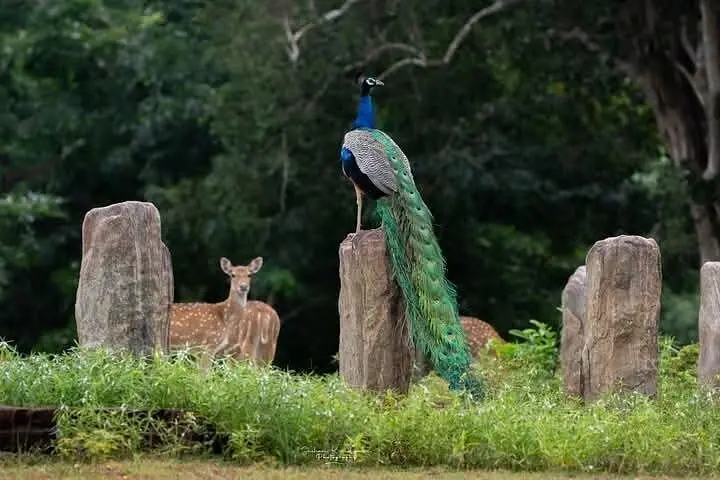
Udawalawe National Park was set aside in the 1970s when the reservoir altered local habitats; today the park’s mosaic of grassland, scrub, and tank-edge woodland supports one of Sri Lanka’s densest elephant populations. Geologically it’s low-lying terrain carved by seasonal rivers, with lateritic soil and scattered rock outcrops framing wide, photographic views. Culturally the route crosses small rice villages and tea-draped slopes near Ella; expect warm hospitality, homemade sweets, and roadside fruit stalls.
Practically: this combined transfer and safari is a long day (pickup from coastal towns followed by a 4‑hour guided jeep safari). Optimal sightings come early or late in the day when animals move to water. Wear lightweight layers for cool mornings and sun protection for midday; a dust-proof bag for cameras helps on jeep roads. Guides know the best vantage points and will handle park permits and fees, but carry local currency for tips and small purchases.
If you want close elephant encounters, maintain distance on foot and follow your guide’s directions; sightings are common but the experience depends on timing and weather. Plan early starts, charge your batteries, and bring binoculars — the plains are ready to surprise you.
The combined experience runs about 7 hours total, including coastal pickup, road transfer, and a 4‑hour jeep safari in Udawalawe.
Guides promote frequent elephant sightings and the park is known for its elephant population, but wild animal sightings cannot be absolutely guaranteed.
The tour notes include breakfast, snacks and bottled water; bring extra cash if you want additional refreshments or souvenirs.
Most travelers can participate; infants must sit on laps and the tour is not recommended for people with serious spinal or cardiovascular issues due to bumpy jeep roads.
KHK TOURS operates guided outdoor trips and adventures with an emphasis on safety, stewardship, and memorable experiences.
The morning road unwinds from the surf towns — Mirissa’s last fishermen hauling nets, Weligama’s stilt fishermen silhouetted against a low sun — and you trade salt air for the dusty light of the inland plains. By the time the jeep turns toward Udawalawe, the landscape flattens into open grassland and the reservoir’s broad shoulder appears, drawing elephants to drink and bathe.
The morning road unwinds from the surf towns — Mirissa’s last fishermen hauling nets, Weligama’s stilt fishermen silhouetted against a low sun — and you trade salt air for the dusty light of the inland plains. By the time the jeep turns toward Udawalawe, the landscape flattens into open grassland and the reservoir’s broad shoulder appears, drawing elephants to drink and bathe.
Udawalawe National Park was set aside in the 1970s when the reservoir altered local habitats; today the park’s mosaic of grassland, scrub, and tank-edge woodland supports one of Sri Lanka’s densest elephant populations. Geologically it’s low-lying terrain carved by seasonal rivers, with lateritic soil and scattered rock outcrops framing wide, photographic views. Culturally the route crosses small rice villages and tea-draped slopes near Ella; expect warm hospitality, homemade sweets, and roadside fruit stalls.
Practically: this combined transfer and safari is a long day (pickup from coastal towns followed by a 4‑hour guided jeep safari). Optimal sightings come early or late in the day when animals move to water. Wear lightweight layers for cool mornings and sun protection for midday; a dust-proof bag for cameras helps on jeep roads. Guides know the best vantage points and will handle park permits and fees, but carry local currency for tips and small purchases.
If you want close elephant encounters, maintain distance on foot and follow your guide’s directions; sightings are common but the experience depends on timing and weather. Plan early starts, charge your batteries, and bring binoculars — the plains are ready to surprise you.