THE ADVENTURE COLLECTIVE® · Independent discovery and booking for outdoor travel

Make the journey inland from Galle to Udawalawe for a private 3-hour jeep safari and a visit to the Elephant Transit Home. Expect close elephant encounters, diverse wetland birdlife, and practical conservation insights on an 8–10 hour day trip.
Make the journey inland from Galle to Udawalawe for a private 3-hour jeep safari and a visit to the Elephant Transit Home. Expect close elephant encounters, diverse wetland birdlife, and practical conservation insights on an 8–10 hour day trip.
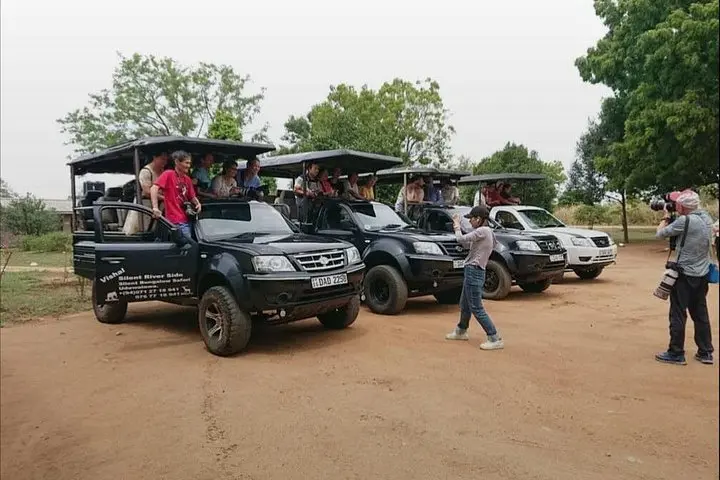
You climb into a private jeep before sunrise and the road opens into flat scrub, paddy fields and distant low ridges; the air smells of wet earth and coconut smoke as you head inland from Galle toward Udawalawe.
Verified experiences and guided adventures in the surrounding area.
Operated by NT Tours · Udawalawe, Sabaragamuwa Province
You climb into a private jeep before sunrise and the road opens into flat scrub, paddy fields and distant low ridges; the air smells of wet earth and coconut smoke as you head inland from Galle toward Udawalawe.
Udawalawe National Park is a working landscape—formed by the post-glacial uplift and dammed river valleys that created a broad reservoir and mosaic of grasslands, wetlands and dry thorn scrub. The park has long supported people and elephants: colonial-era irrigation projects reshaped the plain, and the modern Elephant Transit Home grew from local conservation efforts to rehabilitate orphaned calves.
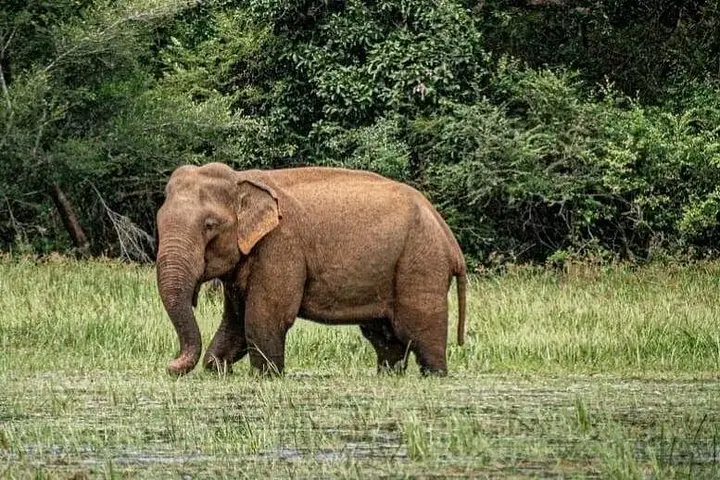
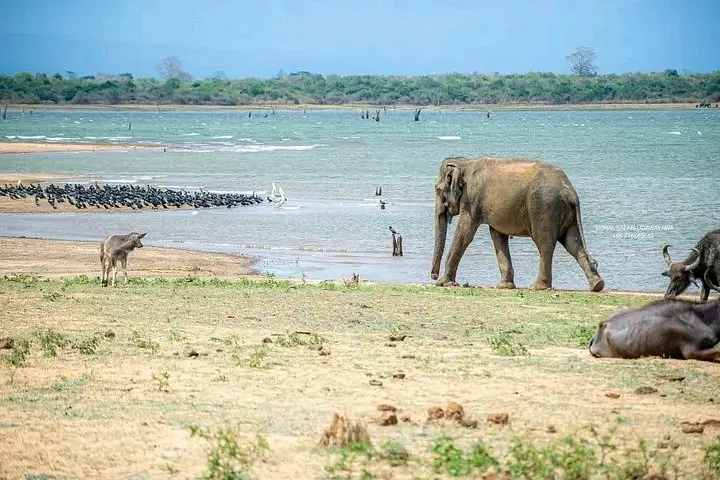
On a three-hour jeep loop you’ll watch matriarchs move with careful purpose, calves testing the edges of mud pools, and water buffalo sliding like old fishermen into marshes. Birds peer from thorn shrubs; crocodiles sun themselves at the reservoir’s banks. The ETH offers a counterpoint—close-up feeding sessions with rescued babies and a briefing about veterinary care and release programs.
Logistics are straightforward: a private vehicle from Galle or nearby beach towns takes roughly 2–3 hours each way, making this an 8–10 hour day. Expect bumpy tracks, limited shade in the dry season, and early-morning light that produces the best sightings and photos.
Practical tips: carry water, use long sleeves and sunscreen, bring binoculars and a camera with a mid-telephoto lens, and plan pickups early to maximize morning activity. Respect ranger instructions—wildlife controls the schedule here, not visitors. The day pairs raw safari energy with tangible conservation work, making it a compact, high-value wildlife outing from the southern coast.
Expect about 2–3 hours each way depending on traffic and exact pickup location along the southern coast.
Udawalawe has a high likelihood of sightings, especially in the early morning, but wildlife sightings cannot be guaranteed—behavior is seasonal and situational.
ETH feeding sessions and visiting hours are regularly scheduled, but times can change—check current ETH visitor hours before you go.
Yes—this private tour accommodates families, but infants must sit on laps and long drives can be tiring for very young children.
NT Tours operates guided outdoor trips and adventures with an emphasis on safety, stewardship, and memorable experiences.

You climb into a private jeep before sunrise and the road opens into flat scrub, paddy fields and distant low ridges; the air smells of wet earth and coconut smoke as you head inland from Galle toward Udawalawe.
You climb into a private jeep before sunrise and the road opens into flat scrub, paddy fields and distant low ridges; the air smells of wet earth and coconut smoke as you head inland from Galle toward Udawalawe.
Udawalawe National Park is a working landscape—formed by the post-glacial uplift and dammed river valleys that created a broad reservoir and mosaic of grasslands, wetlands and dry thorn scrub. The park has long supported people and elephants: colonial-era irrigation projects reshaped the plain, and the modern Elephant Transit Home grew from local conservation efforts to rehabilitate orphaned calves.
On a three-hour jeep loop you’ll watch matriarchs move with careful purpose, calves testing the edges of mud pools, and water buffalo sliding like old fishermen into marshes. Birds peer from thorn shrubs; crocodiles sun themselves at the reservoir’s banks. The ETH offers a counterpoint—close-up feeding sessions with rescued babies and a briefing about veterinary care and release programs.
Logistics are straightforward: a private vehicle from Galle or nearby beach towns takes roughly 2–3 hours each way, making this an 8–10 hour day. Expect bumpy tracks, limited shade in the dry season, and early-morning light that produces the best sightings and photos.
Practical tips: carry water, use long sleeves and sunscreen, bring binoculars and a camera with a mid-telephoto lens, and plan pickups early to maximize morning activity. Respect ranger instructions—wildlife controls the schedule here, not visitors. The day pairs raw safari energy with tangible conservation work, making it a compact, high-value wildlife outing from the southern coast.