THE ADVENTURE COLLECTIVE® · Independent discovery and booking for outdoor travel

Leave Ella before dawn for a full-day transfer and safari to Udawalawe National Park, with an optional visit to the Elephant Transit Home. Expect long transfers, close-up elephant encounters, and dry grassy plains that concentrate wildlife around reservoirs.
Leave Ella before dawn for a full-day transfer and safari to Udawalawe National Park, with an optional visit to the Elephant Transit Home. Expect long transfers, close-up elephant encounters, and dry grassy plains that concentrate wildlife around reservoirs.
The sun is low over the southern plains as your van untethers from Ella’s cool hill air and the road begins to shallow out. Rains peel away from the tea-country horizon and the scrubland around Udawalawe opens like a stage; tall grasses sway, tanks (reservoirs) reflect a sheet of sky, and the occasional silhouette of an elephant appears against the reservoir light. You arrive to a jeep, an open roof, and a driver-guide who reads the park like weather.
Verified experiences and guided adventures in the surrounding area.
Operated by Nefelibata Travels · Udawalawe, Sabaragamuwa Province
The sun is low over the southern plains as your van untethers from Ella’s cool hill air and the road begins to shallow out. Rains peel away from the tea-country horizon and the scrubland around Udawalawe opens like a stage; tall grasses sway, tanks (reservoirs) reflect a sheet of sky, and the occasional silhouette of an elephant appears against the reservoir light. You arrive to a jeep, an open roof, and a driver-guide who reads the park like weather.
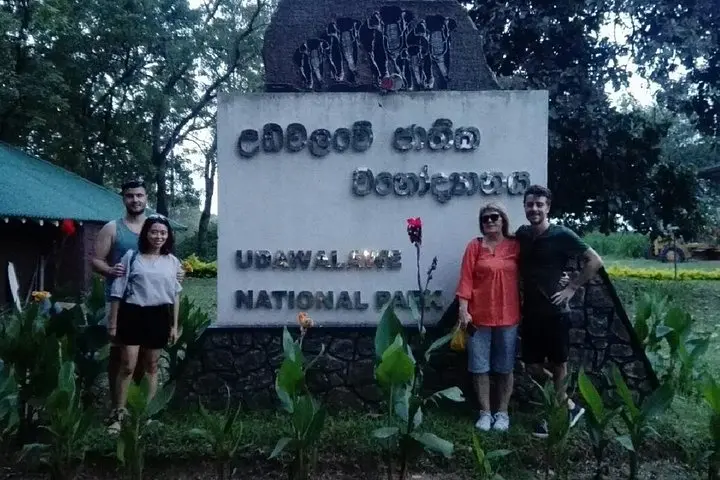
Udawalawe National Park was created in 1972 to provide habitat for animals displaced by the Udawalawe Reservoir. The landscape is primarily dry thorn scrub, interspersed with grasslands and freshwater lakes carved by ancient rivers and modern irrigation. Local communities around the park maintain small-scale agriculture and fishing; culture here is rural and direct, with Sinhala village life framing wildlife tourism.
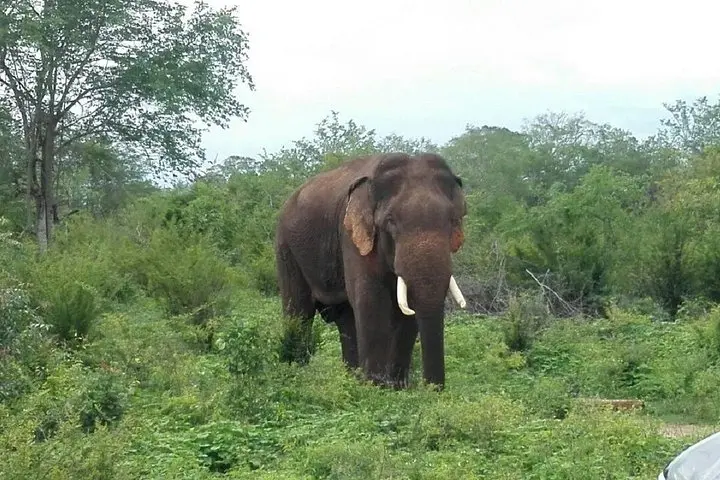
On safari you’ll watch family groups of Asian elephants moving between water and shade, water buffalo wade at marsh edges, and peafowl flare on roadside bushes. The nearby Elephant Transit Home rehabilitates orphaned calves; visiting there offers a close but regulated look at conservation in practice.
Practical edge: plan for an early pickup (common departures around 03:00–04:00 from Ella) if you want a morning safari, or a later start for the afternoon window. Vehicle transfers take roughly three hours each way; carry sun protection, water, and a light jacket for dawn chills. Bring binoculars, a telephoto-ready camera, and patience—wildlife doesn’t follow a timetable.
Expect about three hours of road travel each way between Ella and Udawalawe under normal conditions.
Yes—most itineraries offer the Elephant Transit Home visit either before or after the safari; feeding/rehab times commonly occur around 09:00, 12:00, and 15:00.
Asian elephants are the star attraction, along with water buffalo, peafowl, and a range of waterbirds and reptiles near reservoirs and marshes.
The tour is marked suitable for all fitness levels; the jeep is accessible and operators often provide infant seats, but long transfers may be tiring for very young children or those with medical needs.
Nefelibata Travels operates guided outdoor trips and adventures with an emphasis on safety, stewardship, and memorable experiences.
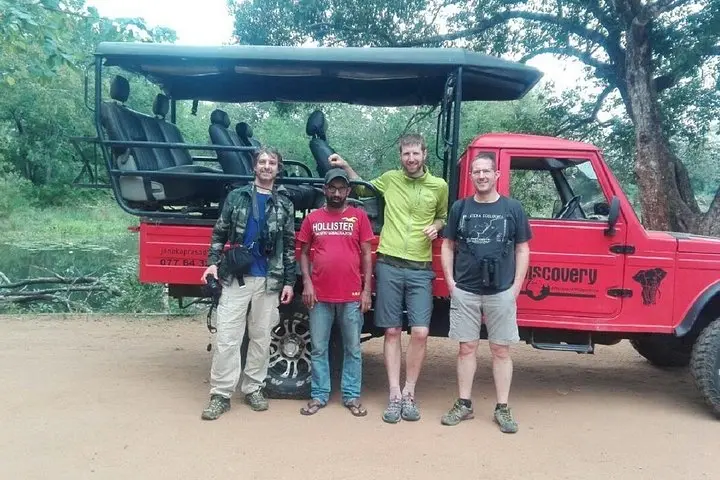

The sun is low over the southern plains as your van untethers from Ella’s cool hill air and the road begins to shallow out. Rains peel away from the tea-country horizon and the scrubland around Udawalawe opens like a stage; tall grasses sway, tanks (reservoirs) reflect a sheet of sky, and the occasional silhouette of an elephant appears against the reservoir light. You arrive to a jeep, an open roof, and a driver-guide who reads the park like weather.
The sun is low over the southern plains as your van untethers from Ella’s cool hill air and the road begins to shallow out. Rains peel away from the tea-country horizon and the scrubland around Udawalawe opens like a stage; tall grasses sway, tanks (reservoirs) reflect a sheet of sky, and the occasional silhouette of an elephant appears against the reservoir light. You arrive to a jeep, an open roof, and a driver-guide who reads the park like weather.
Udawalawe National Park was created in 1972 to provide habitat for animals displaced by the Udawalawe Reservoir. The landscape is primarily dry thorn scrub, interspersed with grasslands and freshwater lakes carved by ancient rivers and modern irrigation. Local communities around the park maintain small-scale agriculture and fishing; culture here is rural and direct, with Sinhala village life framing wildlife tourism.
On safari you’ll watch family groups of Asian elephants moving between water and shade, water buffalo wade at marsh edges, and peafowl flare on roadside bushes. The nearby Elephant Transit Home rehabilitates orphaned calves; visiting there offers a close but regulated look at conservation in practice.
Practical edge: plan for an early pickup (common departures around 03:00–04:00 from Ella) if you want a morning safari, or a later start for the afternoon window. Vehicle transfers take roughly three hours each way; carry sun protection, water, and a light jacket for dawn chills. Bring binoculars, a telephoto-ready camera, and patience—wildlife doesn’t follow a timetable.