THE ADVENTURE COLLECTIVE® · Independent discovery and booking for outdoor travel

Spend a full day on an open jeep from Kalutara into Udawalawe National Park—one of Sri Lanka’s most reliable places to see wild Asian elephants. This guide covers what to expect on the road, the wildlife you’ll likely encounter, and practical tips to make the outing comfortable and responsible.
Spend a full day on an open jeep from Kalutara into Udawalawe National Park—one of Sri Lanka’s most reliable places to see wild Asian elephants. This guide covers what to expect on the road, the wildlife you’ll likely encounter, and practical tips to make the outing comfortable and responsible.
A humid dawn breaks over low, open scrub as a diesel jeep rumbles toward the dry pans of Udawalawe. Dust lifts and a band of elephants materializes—a matriarch leading calves along the reservoir’s edge—setting the tone for a day spent reading the rhythms of a park built around water.
Verified experiences and guided adventures in the surrounding area.
Operated by Apple Vacations Pvt Ltd · Udawalawe, Southern Province
A humid dawn breaks over low, open scrub as a diesel jeep rumbles toward the dry pans of Udawalawe. Dust lifts and a band of elephants materializes—a matriarch leading calves along the reservoir’s edge—setting the tone for a day spent reading the rhythms of a park built around water.
Udawalawe National Park, created in the early 1970s after the reservoir and dam were completed, covers roughly 308 km² of grassland, thorn scrub and remnant forest. The landscape is geometric—broad plains cut by the reservoir and punctuated by the low ridges of southern Sri Lanka—making wildlife easier to spot than in dense jungle reserves. Cultural traces sit nearby: fishing communities around the reservoir and the Elephant Transit Home, where rescued calves are rehabilitated before release.
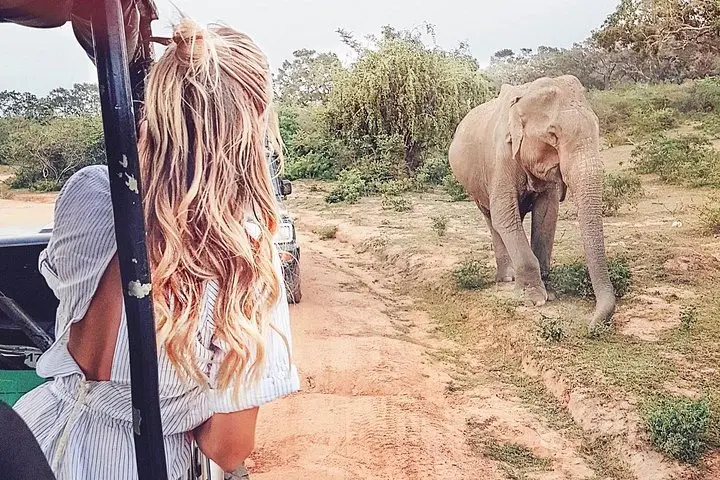
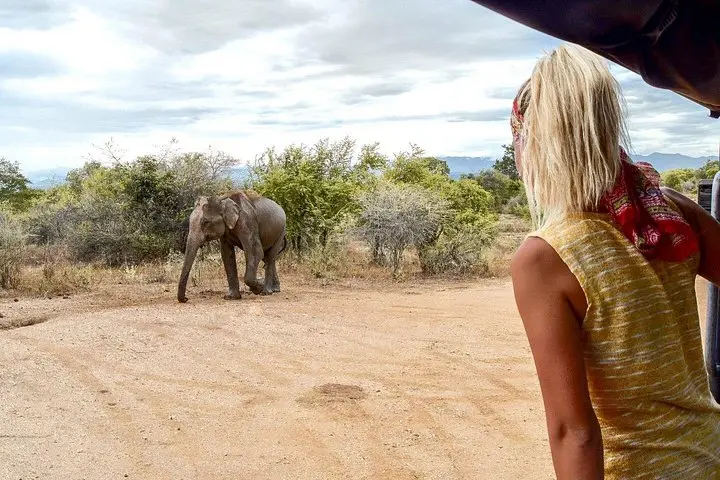
A full-day excursion from Kalutara combines long transfer time with focused game drives in an open-top jeep. Expect concentrated sightings of Asian elephants, herds of buffalo, sambar and spotted deer, and frequent birdlife along water margins; leopards are possible but rare. Guides read tracks, water patterns and animal behavior to place you in the right clearing at the right time.
Practical points: plan early starts for cooler light and active animals; bring binoculars, sun protection and insect repellent; carry snacks and water even if some items are provided. Roads are dusty and rides can be bumpy—secure cameras and pack layers for changing heat and wind. Whether you’re aiming for photography or simply being present among large, wild elephants, Udawalawe delivers a socially conscious, transport-heavy day that rewards patience and attention.
Udawalawe has an exceptionally high rate of elephant sightings and many operators market guaranteed encounters, but wildlife sightings can never be 100% certain—guides maximize your chance by using local knowledge and timing.
Transfers typically take about 3–4 hours each way by air-conditioned vehicle depending on traffic; the operator’s itinerary lists the excursion as a full 10–12 hour day.
Most full-day excursions include national park fees, jeep safari and round-trip transfers; check your booking confirmation for exact inclusions and whether meals are provided.
Infants must sit on laps and the activity is not recommended for pregnant travelers or those with serious back or heart conditions due to bumpy rides and long transfer times.
Apple Vacations Pvt Ltd operates guided outdoor trips and adventures with an emphasis on safety, stewardship, and memorable experiences.
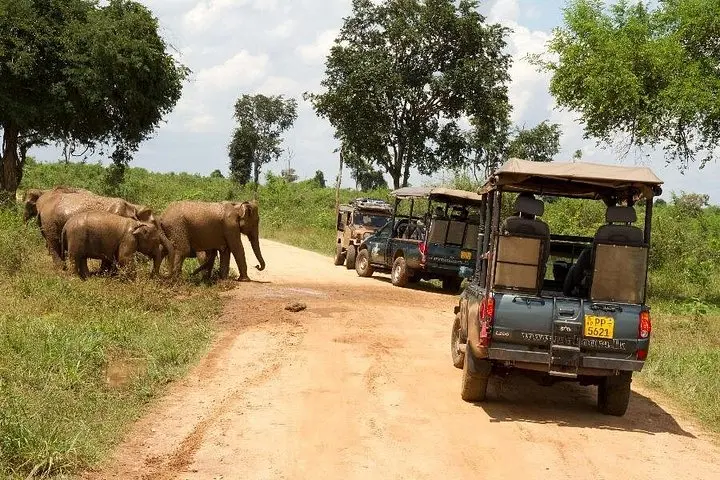
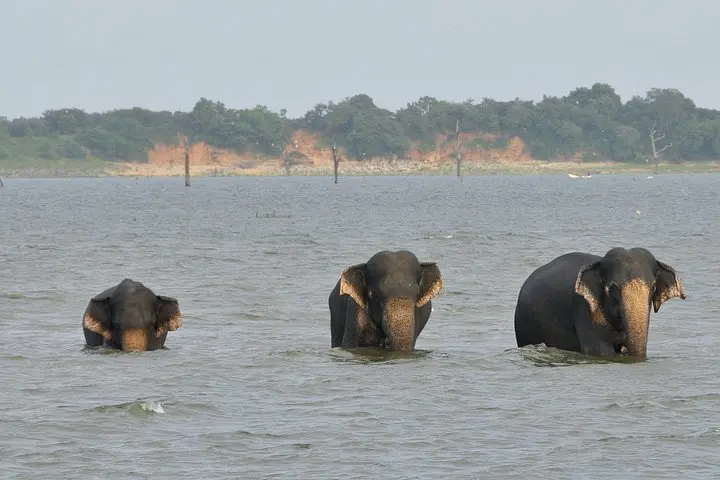
A humid dawn breaks over low, open scrub as a diesel jeep rumbles toward the dry pans of Udawalawe. Dust lifts and a band of elephants materializes—a matriarch leading calves along the reservoir’s edge—setting the tone for a day spent reading the rhythms of a park built around water.
A humid dawn breaks over low, open scrub as a diesel jeep rumbles toward the dry pans of Udawalawe. Dust lifts and a band of elephants materializes—a matriarch leading calves along the reservoir’s edge—setting the tone for a day spent reading the rhythms of a park built around water.
Udawalawe National Park, created in the early 1970s after the reservoir and dam were completed, covers roughly 308 km² of grassland, thorn scrub and remnant forest. The landscape is geometric—broad plains cut by the reservoir and punctuated by the low ridges of southern Sri Lanka—making wildlife easier to spot than in dense jungle reserves. Cultural traces sit nearby: fishing communities around the reservoir and the Elephant Transit Home, where rescued calves are rehabilitated before release.
A full-day excursion from Kalutara combines long transfer time with focused game drives in an open-top jeep. Expect concentrated sightings of Asian elephants, herds of buffalo, sambar and spotted deer, and frequent birdlife along water margins; leopards are possible but rare. Guides read tracks, water patterns and animal behavior to place you in the right clearing at the right time.
Practical points: plan early starts for cooler light and active animals; bring binoculars, sun protection and insect repellent; carry snacks and water even if some items are provided. Roads are dusty and rides can be bumpy—secure cameras and pack layers for changing heat and wind. Whether you’re aiming for photography or simply being present among large, wild elephants, Udawalawe delivers a socially conscious, transport-heavy day that rewards patience and attention.