THE ADVENTURE COLLECTIVE® · Independent discovery and booking for outdoor travel

A full‑day private jeep safari from Kandy to Udawalawe offers reliable elephant sightings and a four‑hour guided drive through grassland, wetlands and scrub. This guide covers what to expect, when to go, and how to prepare for the day.
A full‑day private jeep safari from Kandy to Udawalawe offers reliable elephant sightings and a four‑hour guided drive through grassland, wetlands and scrub. This guide covers what to expect, when to go, and how to prepare for the day.
You step out of the air‑conditioned vehicle as the morning heat hits the scrub—acacia shadows stretch across the dry plain and the reservoir’s surface glints like a metal eye. The jeep rumbles forward and a procession of elephants appears: juveniles with wet trunks, bulls graze at the waterline, and the herd moves with a patient, deliberate cadence that defines Udawalawe.
Verified experiences and guided adventures in the surrounding area.
Operated by Unique Lanka Tours · Udawalawe, Sabaragamuwa Province
You step out of the air‑conditioned vehicle as the morning heat hits the scrub—acacia shadows stretch across the dry plain and the reservoir’s surface glints like a metal eye. The jeep rumbles forward and a procession of elephants appears: juveniles with wet trunks, bulls graze at the waterline, and the herd moves with a patient, deliberate cadence that defines Udawalawe.
Udawalawe National Park was created in 1972 to protect the catchment around the reservoir and has since become one of Sri Lanka’s most reliable places to see Asian elephants. The landscape is a working convergence of open grassland, thorn scrub and shallow wetlands carved by seasonal flows from nearby rivers; geology here is lowland alluvium over ancient igneous rock. The cultural backdrop includes rural villages, reservoirs built for irrigation, and a long tradition of coexistence between people and elephants in southern Sri Lanka.
Practically, the tour runs as a full‑day outing from Kandy (10–12 hours total), with about a four‑hour guided jeep safari in the park. Expect bumpy tracks, sun exposure, and prime photographic moments at sunrise and late afternoon. Bring binoculars, a telephoto lens, sun protection and reusable water; wear comfortable, dust‑resistant clothing and closed shoes. Guides scan for elephant movement and other species—water buffalo, spotted deer, toque macaques, and the occasional leopard—so patience pays.
Timing matters: dry months concentrate animals near water, boosting sightings, while monsoon rains soften tracks and reduce visibility. Respect distance, avoid flash photography during close encounters, and follow your guide’s instructions—the park is wild, not a zoo, and the best memories come from careful, attentive observation.
The road transfer is substantial—plan on roughly 3.5–5 hours each way depending on traffic and stops, which is why the full experience is a 10–12 hour day.
Udawalawe is one of Sri Lanka’s most consistent parks for elephants and sightings are common, but wildlife is never guaranteed—timing and luck matter.
The trip is family‑friendly, but infants must sit on an adult’s lap during the jeep ride; consider children's tolerance for long drives and bumpy conditions.
This tour lists private transport and a jeep safari with pickup/dropoff; confirm with the operator whether meals, park entry fees and guide charges are included before booking.
Unique Lanka Tours operates guided outdoor trips and adventures with an emphasis on safety, stewardship, and memorable experiences.
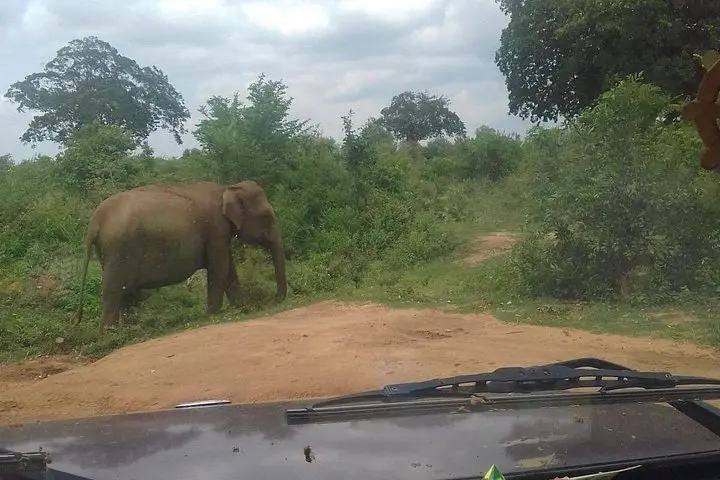
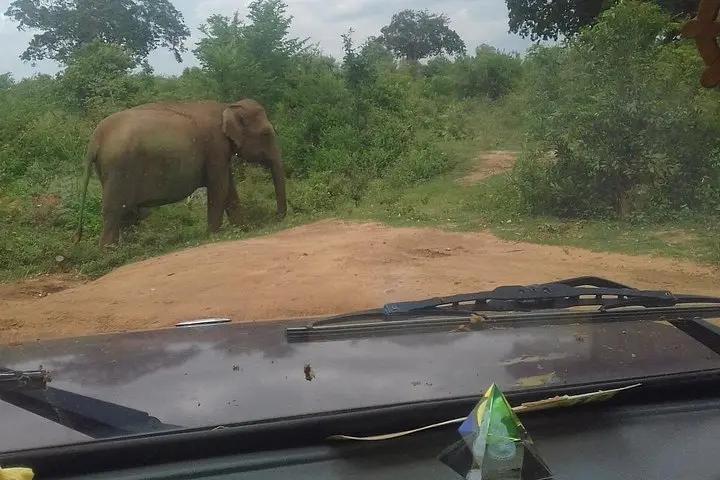
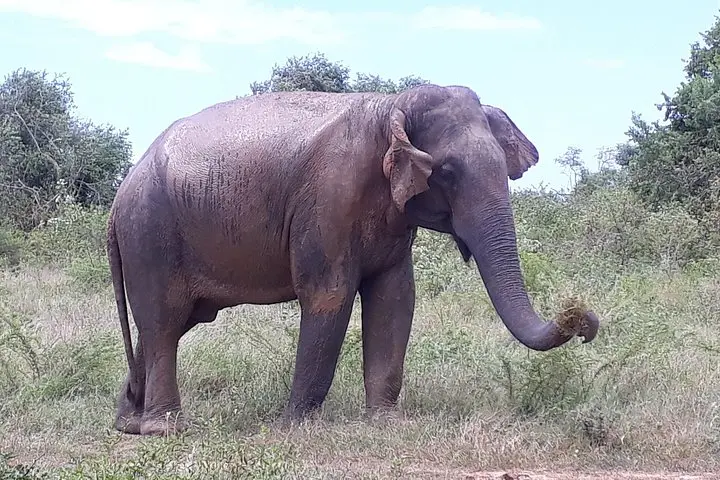
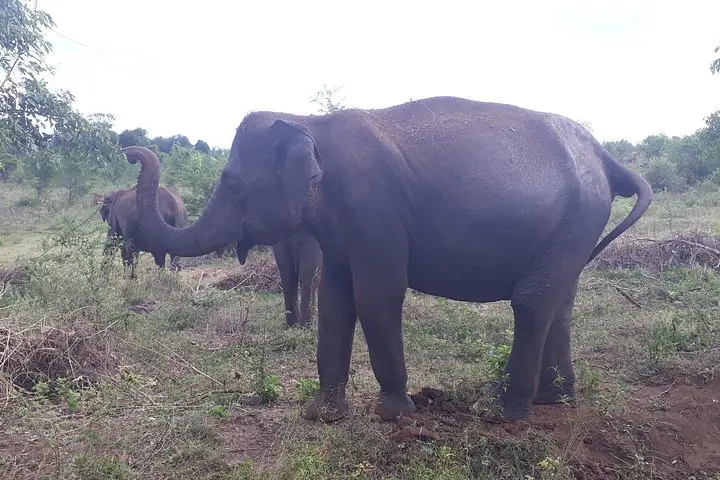
You step out of the air‑conditioned vehicle as the morning heat hits the scrub—acacia shadows stretch across the dry plain and the reservoir’s surface glints like a metal eye. The jeep rumbles forward and a procession of elephants appears: juveniles with wet trunks, bulls graze at the waterline, and the herd moves with a patient, deliberate cadence that defines Udawalawe.
You step out of the air‑conditioned vehicle as the morning heat hits the scrub—acacia shadows stretch across the dry plain and the reservoir’s surface glints like a metal eye. The jeep rumbles forward and a procession of elephants appears: juveniles with wet trunks, bulls graze at the waterline, and the herd moves with a patient, deliberate cadence that defines Udawalawe.
Udawalawe National Park was created in 1972 to protect the catchment around the reservoir and has since become one of Sri Lanka’s most reliable places to see Asian elephants. The landscape is a working convergence of open grassland, thorn scrub and shallow wetlands carved by seasonal flows from nearby rivers; geology here is lowland alluvium over ancient igneous rock. The cultural backdrop includes rural villages, reservoirs built for irrigation, and a long tradition of coexistence between people and elephants in southern Sri Lanka.
Practically, the tour runs as a full‑day outing from Kandy (10–12 hours total), with about a four‑hour guided jeep safari in the park. Expect bumpy tracks, sun exposure, and prime photographic moments at sunrise and late afternoon. Bring binoculars, a telephoto lens, sun protection and reusable water; wear comfortable, dust‑resistant clothing and closed shoes. Guides scan for elephant movement and other species—water buffalo, spotted deer, toque macaques, and the occasional leopard—so patience pays.
Timing matters: dry months concentrate animals near water, boosting sightings, while monsoon rains soften tracks and reduce visibility. Respect distance, avoid flash photography during close encounters, and follow your guide’s instructions—the park is wild, not a zoo, and the best memories come from careful, attentive observation.