
Udawalawe Safari from Mirissa — Day Jeep Safari to See Wild Elephants
A full-day jeep safari from Mirissa into Udawalawe National Park offers one of Sri Lanka’s best chances to see wild Asian elephants and marshland birdlife. This guide explains what to expect on the drive, wildlife behavior, and how to prepare for a long but rewarding day.
An Adventure In Mirissa.
A full-day jeep safari from Mirissa into Udawalawe National Park offers one of Sri Lanka’s best chances to see wild Asian elephants and marshland birdlife. This guide explains what to expect on the drive, wildlife behavior, and how to prepare for a long but rewarding day.
Read the full experience
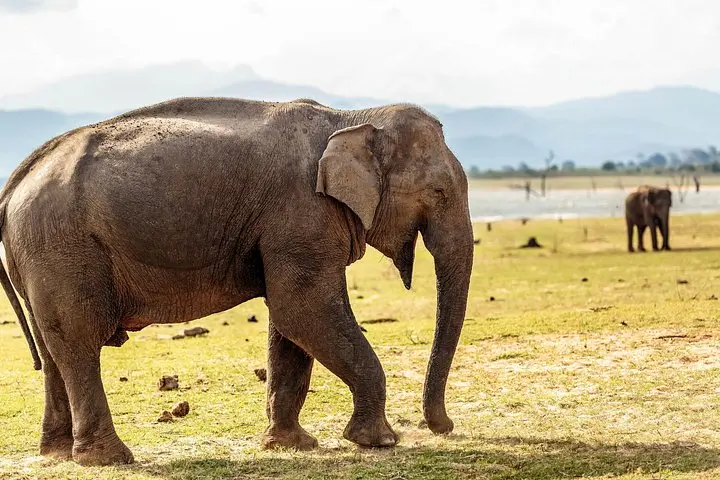
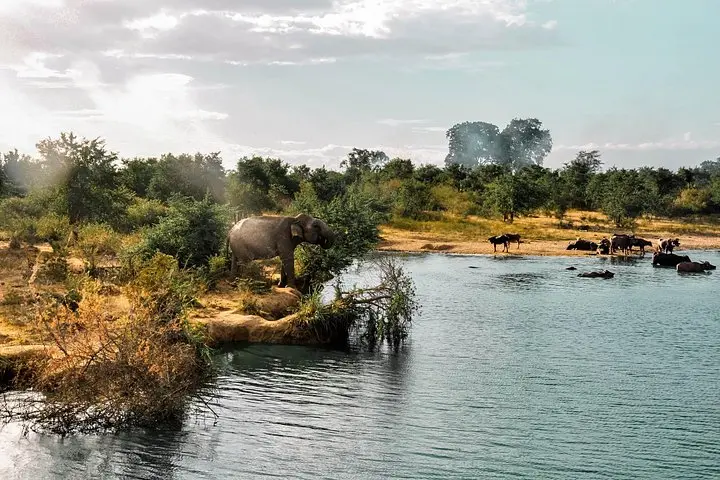
A low, humid wind pushes across the dusty jeep as the plain opens up and the reservoir glints like an old coin. You arrive in Udawalawe in mid-afternoon: scrub grasses give way to marsh and thorny woodland, and a line of dark shapes—elephants—moves along a distant watercourse, intent and slow.
A low, humid wind pushes across the dusty jeep as the plain opens up and the reservoir glints like an old coin. You arrive in Udawalawe in mid-afternoon: scrub grasses give way to marsh and thorny woodland, and a line of dark shapes—elephants—moves along a distant watercourse, intent and slow.
The park was created in 1972 to protect the Udawalawe reservoir catchment and has since become one of Sri Lanka’s most reliable places to see Asian elephants in the wild. Geologically, the area sits below the Central Highlands’ escarpment, where erosion carved broad plains and seasonal wetlands that funnel wildlife. Local villages around the park keep a pragmatic relationship with the land: agriculture and wildlife coexist, and trackers trained here often come from generations of elephant handlers.
Expect the day to feel kinetic: drivers and trackers scan the horizon, birds puncture the air, and the landscape alternates between open grassland and shaded buffalo paths. Wildlife moves with purpose; the elephants often use the same routes year after year.
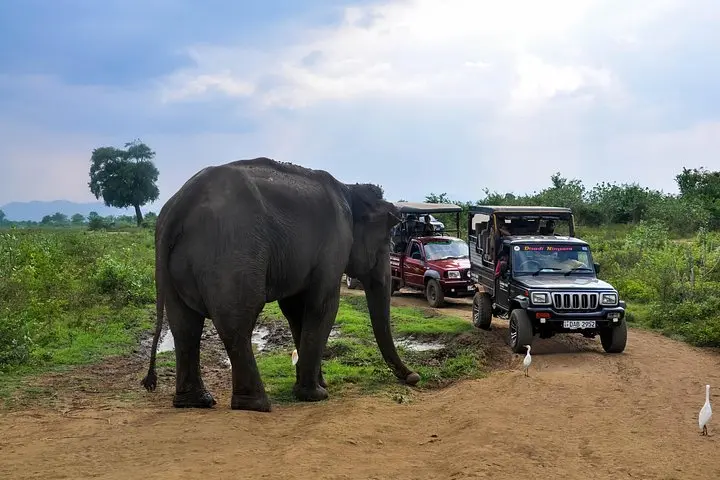
Practical guidance: travel time from Mirissa is roughly 3–3.5 hours each way, making this a long day—plan for a 7-hour door-to-door window. Wear breathable layers, bring water and sun protection, and keep cameras ready with a telephoto lens (or binoculars). Morning and late-afternoon game drives concentrate animal activity; mid-afternoon can be slower but offers better light. Respect the vehicle rules, keep noise low, and let the trackers do the reading—Udawalawe rewards patience and attentiveness.
Frequently asked questions
Expect about 3 to 3.5 hours each way depending on traffic and exact pickup point—plan for a full day.
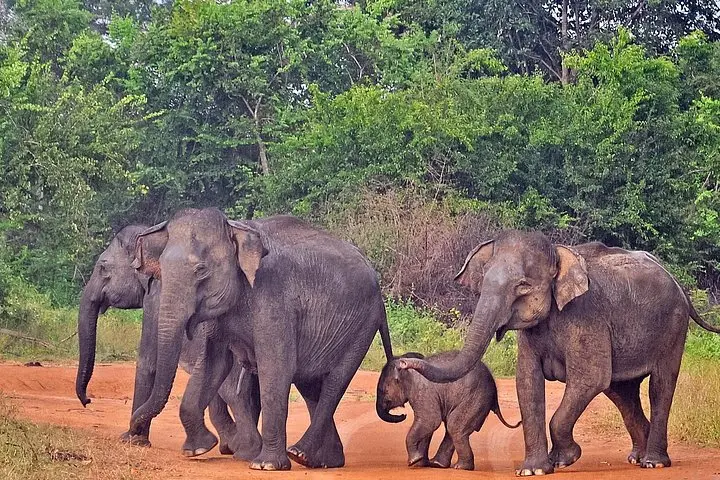
Asian elephants are the highlight; you’ll also see water birds, buffalo, sambar deer, and sometimes monitor lizards and crocodiles near wetlands.
Short children often enjoy the jeep format, but the long transfer and bumpy rides can be tiring; it’s generally not recommended for pregnant travelers or those with serious back/heart issues.
Standard day tours include a jeep safari and driver/tracker; confirm whether park entrance fees are included when booking.
About This Experience
Lakpura LLC operates guided outdoor trips and adventures with an emphasis on safety, stewardship, and memorable experiences.
Adventure tips
Recommended gear
- Binoculars: Helps spot distant elephants, birds, and subtle behaviors across the grasslands.
- Light, breathable layers: Protects from sun, wind and cooler evenings after long drives.
- Telephoto lens or point-and-shoot with zoom: Needed for quality wildlife photos from a safe vehicle distance.
- Insect repellent: Wet patches draw mosquitoes—repellent improves comfort during marshland sightings.
Photos of the experience
Related adventures & guides
Read the full experience
A low, humid wind pushes across the dusty jeep as the plain opens up and the reservoir glints like an old coin. You arrive in Udawalawe in mid-afternoon: scrub grasses give way to marsh and thorny woodland, and a line of dark shapes—elephants—moves along a distant watercourse, intent and slow.
A low, humid wind pushes across the dusty jeep as the plain opens up and the reservoir glints like an old coin. You arrive in Udawalawe in mid-afternoon: scrub grasses give way to marsh and thorny woodland, and a line of dark shapes—elephants—moves along a distant watercourse, intent and slow.
The park was created in 1972 to protect the Udawalawe reservoir catchment and has since become one of Sri Lanka’s most reliable places to see Asian elephants in the wild. Geologically, the area sits below the Central Highlands’ escarpment, where erosion carved broad plains and seasonal wetlands that funnel wildlife. Local villages around the park keep a pragmatic relationship with the land: agriculture and wildlife coexist, and trackers trained here often come from generations of elephant handlers.
Expect the day to feel kinetic: drivers and trackers scan the horizon, birds puncture the air, and the landscape alternates between open grassland and shaded buffalo paths. Wildlife moves with purpose; the elephants often use the same routes year after year.
Practical guidance: travel time from Mirissa is roughly 3–3.5 hours each way, making this a long day—plan for a 7-hour door-to-door window. Wear breathable layers, bring water and sun protection, and keep cameras ready with a telephoto lens (or binoculars). Morning and late-afternoon game drives concentrate animal activity; mid-afternoon can be slower but offers better light. Respect the vehicle rules, keep noise low, and let the trackers do the reading—Udawalawe rewards patience and attentiveness.
Make a day of it nearby.
Verified experiences and guided adventures in the surrounding area.