THE ADVENTURE COLLECTIVE® · Independent discovery and booking for outdoor travel

Ride a 4x4 through grassland and reservoir edges where herds of wild elephants often approach the jeep. This Udawalawe safari blends easy logistics with high chances for close wildlife viewing—best at dawn and dusk.
Ride a 4x4 through grassland and reservoir edges where herds of wild elephants often approach the jeep. This Udawalawe safari blends easy logistics with high chances for close wildlife viewing—best at dawn and dusk.
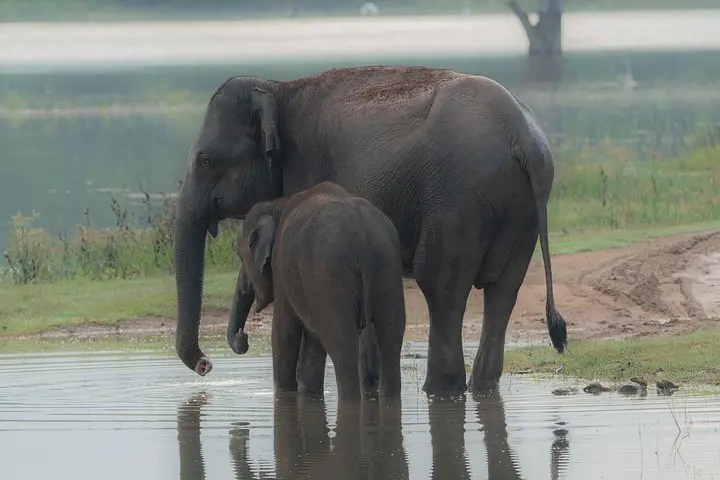
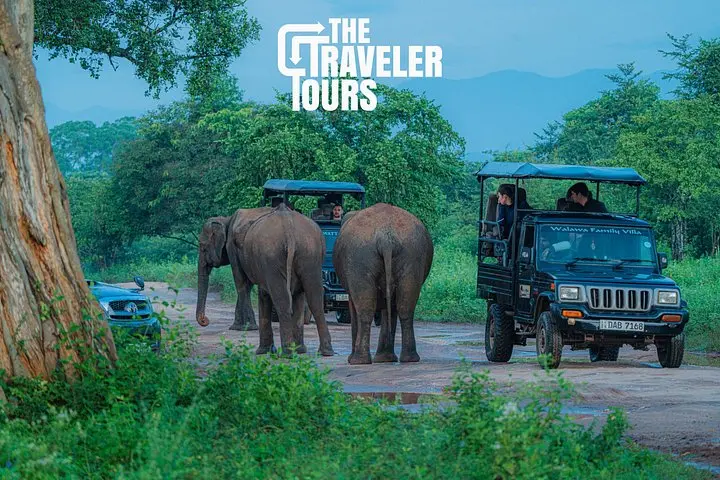
Dust rises as the jeep eases onto a golden plain and the first silhouettes of elephants appear—heads low, ears fanning, trunks probing the roadside grass. The morning light in Udawalawe cuts clean across sleep‑roughened acacia and the reservoir glints like a paused river. This is a day spent close to animal life rather than watching it from afar.
Verified experiences and guided adventures in the surrounding area.
Operated by THE TRAVELER TOURS S.R.L.S. · Udawalawe, Sabaragamuwa Province
Dust rises as the jeep eases onto a golden plain and the first silhouettes of elephants appear—heads low, ears fanning, trunks probing the roadside grass. The morning light in Udawalawe cuts clean across sleep‑roughened acacia and the reservoir glints like a paused river. This is a day spent close to animal life rather than watching it from afar.
Udawalawe sits on the island’s wet–dry frontier; its plains formed by ancient alluvial flows and seasonal reservoirs that attract concentrated wildlife. The park was created in 1972 to protect catchment lands and has since become one of Sri Lanka’s premiere elephant habitats. Local culture around Udawalawe blends rice‑field villages and fishing communities whose rhythms still mark sunrise and dusk—prime wildlife hours.
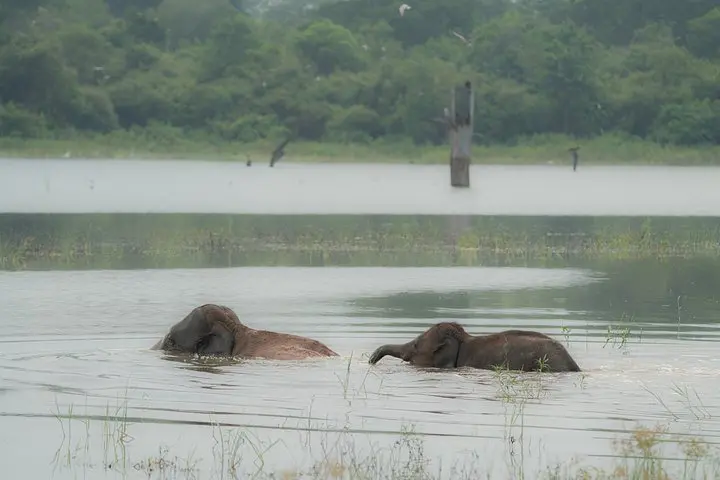
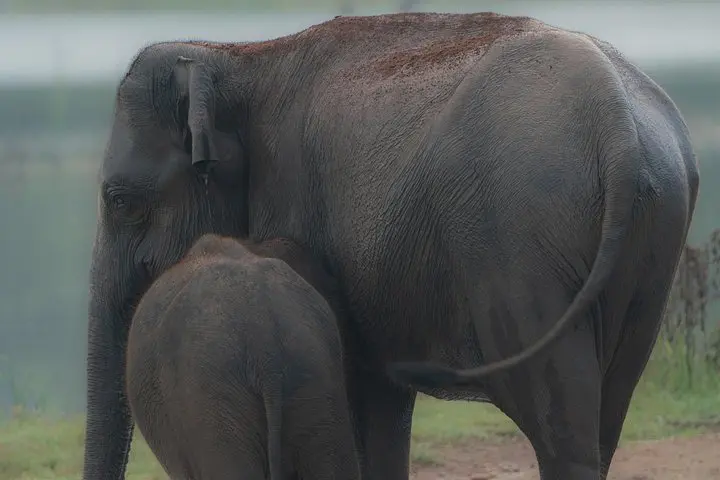
Expect long sightlines across savanna grasses punctuated by shady patches of scrub forest. Elephants are the star: herds, bulls and calves routinely cross tracks or wallow in waterholes. Birdlife is prolific—kingfishers, raptors and resident storks fill the air. Leopards and sloth bears are present but elusive; sightings depend on luck and timing.
Practicalities are straightforward: tours run by 4x4 jeep, typically half‑day to full‑day, with early morning and late‑afternoon windows best for sightings. Park entrance fees and elephant transit home donations are usually extra. Bring binoculars, sun protection, and a refillable bottle; keep camera batteries warm and lenses dust‑free. Respect the animals—stay seated in the jeep, follow your guide’s cues, and avoid sudden noises. With patience and a reliable local guide, a Udawalawe safari delivers close, responsibly managed encounters that remain rooted in the rhythms of Sri Lanka’s dry zone.
No—most operators require park entrance fees and any conservation levies to be paid at the gate in local currency.
Early morning and late afternoon offer the highest chances—animals come to waterholes and open plains to feed and bathe.
Children are typically welcome; pregnant travelers should consult the operator—gentle jeep motion is low risk but some companies advise against participation.
Yes—many safari itineraries include a stop at the Elephant Transit Home nearby, though feeding times are scheduled and may require separate entry payment.
THE TRAVELER TOURS S.R.L.S. operates guided outdoor trips and adventures with an emphasis on safety, stewardship, and memorable experiences.
Dust rises as the jeep eases onto a golden plain and the first silhouettes of elephants appear—heads low, ears fanning, trunks probing the roadside grass. The morning light in Udawalawe cuts clean across sleep‑roughened acacia and the reservoir glints like a paused river. This is a day spent close to animal life rather than watching it from afar.
Dust rises as the jeep eases onto a golden plain and the first silhouettes of elephants appear—heads low, ears fanning, trunks probing the roadside grass. The morning light in Udawalawe cuts clean across sleep‑roughened acacia and the reservoir glints like a paused river. This is a day spent close to animal life rather than watching it from afar.
Udawalawe sits on the island’s wet–dry frontier; its plains formed by ancient alluvial flows and seasonal reservoirs that attract concentrated wildlife. The park was created in 1972 to protect catchment lands and has since become one of Sri Lanka’s premiere elephant habitats. Local culture around Udawalawe blends rice‑field villages and fishing communities whose rhythms still mark sunrise and dusk—prime wildlife hours.
Expect long sightlines across savanna grasses punctuated by shady patches of scrub forest. Elephants are the star: herds, bulls and calves routinely cross tracks or wallow in waterholes. Birdlife is prolific—kingfishers, raptors and resident storks fill the air. Leopards and sloth bears are present but elusive; sightings depend on luck and timing.
Practicalities are straightforward: tours run by 4x4 jeep, typically half‑day to full‑day, with early morning and late‑afternoon windows best for sightings. Park entrance fees and elephant transit home donations are usually extra. Bring binoculars, sun protection, and a refillable bottle; keep camera batteries warm and lenses dust‑free. Respect the animals—stay seated in the jeep, follow your guide’s cues, and avoid sudden noises. With patience and a reliable local guide, a Udawalawe safari delivers close, responsibly managed encounters that remain rooted in the rhythms of Sri Lanka’s dry zone.