THE ADVENTURE COLLECTIVE® · Independent discovery and booking for outdoor travel

Witness wild Asian elephants in the open plains of Udawalawe, then slow the pace with a riverside village visit where traditional Sri Lankan cooking and local crafts illuminate daily life. This combined safari-and-culture day trip pairs close wildlife viewing with hands-on cultural exchange.
Witness wild Asian elephants in the open plains of Udawalawe, then slow the pace with a riverside village visit where traditional Sri Lankan cooking and local crafts illuminate daily life. This combined safari-and-culture day trip pairs close wildlife viewing with hands-on cultural exchange.
The jeep rumbles onto a dusty track and the low scrub opens to a wide, sunlit plain where elephants move like slow weather. Early light strips the landscape into bands of gold and grey; a shirking herd fuses with the heat shimmer and the guide lifts a hand to point — a calf, trunk curled, daring you to get closer with your eyes, not your footsteps.
Verified experiences and guided adventures in the surrounding area.
Operated by Udawalawa Park Elephant Safari · Udawalawe, Southern Province
The jeep rumbles onto a dusty track and the low scrub opens to a wide, sunlit plain where elephants move like slow weather. Early light strips the landscape into bands of gold and grey; a shirking herd fuses with the heat shimmer and the guide lifts a hand to point — a calf, trunk curled, daring you to get closer with your eyes, not your footsteps.
Udawalawe National Park was created in the 1970s around the Udawalawe Reservoir to protect animals displaced by the dam and to conserve a dry-zone ecosystem shaped by seasonal monsoons and river-fed floodplains. The park’s geology is folded schist and ancient alluvium; seasonal grasses and thorn scrub give way to reed-lined waterholes where water buffalo and marsh birds gather.
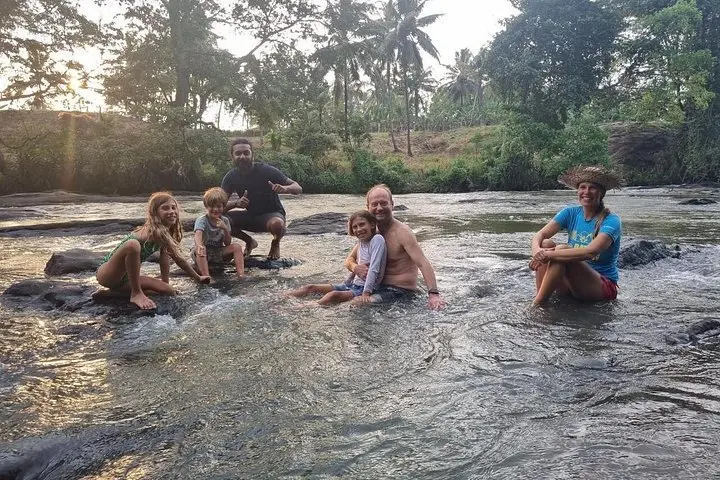
Beyond the game drive, the tour moves to village life on the Walawe’s banks: simple rice-and-curry kitchens, hands-on cooking demos, and riverside crafts that reflect generations of floodplain living. Guides share local stories and conservation work, including rehabilitation efforts for orphaned elephant calves.
Practical guidance: safaris run best at dawn or late afternoon when wildlife is active; pack sun protection and a compact pair of binoculars, and expect dusty roads and short, guided walks in the village. Follow guides’ instructions at all times—vehicles stay on designated tracks and village visits support community livelihoods, so bring modest clothing and an openness to learn. The mix of raw wildlife viewing and cultural exchange makes this a full-day rhythm of action, learning, and quiet observation.
Yes — the tour includes park entrance fees as part of the advertised inclusions.
Early morning and late afternoon offer the highest likelihood of sightings when animals move to feed and drink.
Traditional Sri Lankan meals and refreshments are provided during the riverside village portion of the experience.
Safaris are family-friendly but not recommended for those with serious spinal issues; infants must sit on laps and follow guide instructions for safety.
Udawalawa Park Elephant Safari operates guided outdoor trips and adventures with an emphasis on safety, stewardship, and memorable experiences.
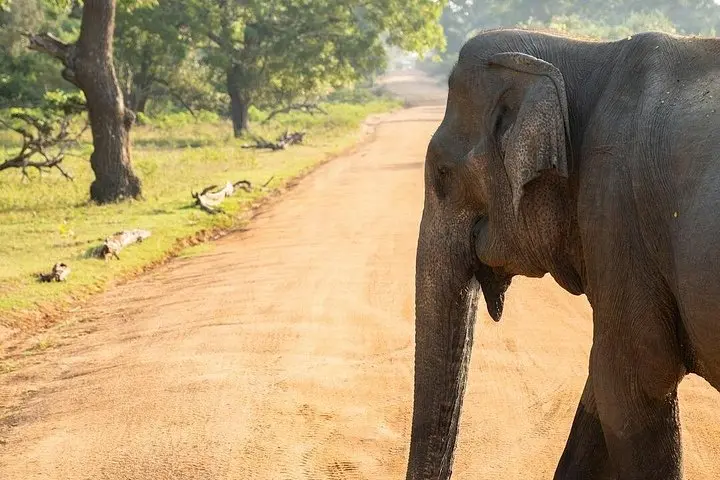
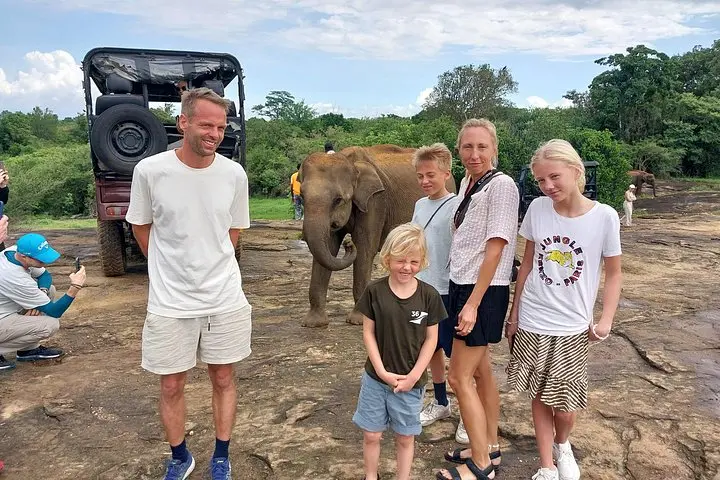
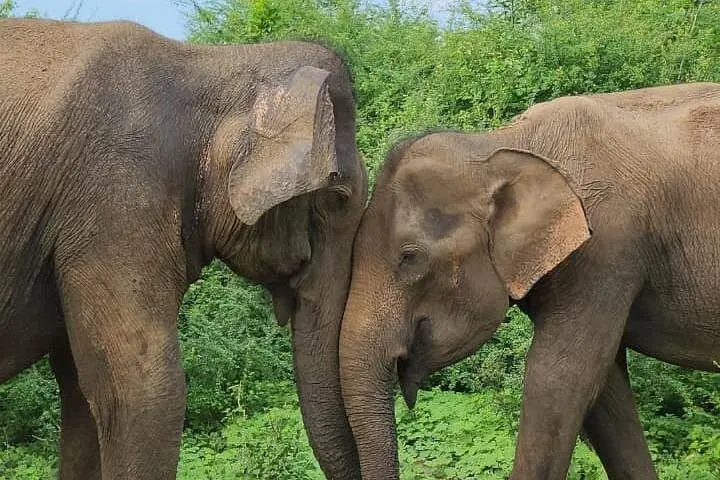
The jeep rumbles onto a dusty track and the low scrub opens to a wide, sunlit plain where elephants move like slow weather. Early light strips the landscape into bands of gold and grey; a shirking herd fuses with the heat shimmer and the guide lifts a hand to point — a calf, trunk curled, daring you to get closer with your eyes, not your footsteps.
The jeep rumbles onto a dusty track and the low scrub opens to a wide, sunlit plain where elephants move like slow weather. Early light strips the landscape into bands of gold and grey; a shirking herd fuses with the heat shimmer and the guide lifts a hand to point — a calf, trunk curled, daring you to get closer with your eyes, not your footsteps.
Udawalawe National Park was created in the 1970s around the Udawalawe Reservoir to protect animals displaced by the dam and to conserve a dry-zone ecosystem shaped by seasonal monsoons and river-fed floodplains. The park’s geology is folded schist and ancient alluvium; seasonal grasses and thorn scrub give way to reed-lined waterholes where water buffalo and marsh birds gather.
Beyond the game drive, the tour moves to village life on the Walawe’s banks: simple rice-and-curry kitchens, hands-on cooking demos, and riverside crafts that reflect generations of floodplain living. Guides share local stories and conservation work, including rehabilitation efforts for orphaned elephant calves.
Practical guidance: safaris run best at dawn or late afternoon when wildlife is active; pack sun protection and a compact pair of binoculars, and expect dusty roads and short, guided walks in the village. Follow guides’ instructions at all times—vehicles stay on designated tracks and village visits support community livelihoods, so bring modest clothing and an openness to learn. The mix of raw wildlife viewing and cultural exchange makes this a full-day rhythm of action, learning, and quiet observation.