THE ADVENTURE COLLECTIVE® · Independent discovery and booking for outdoor travel

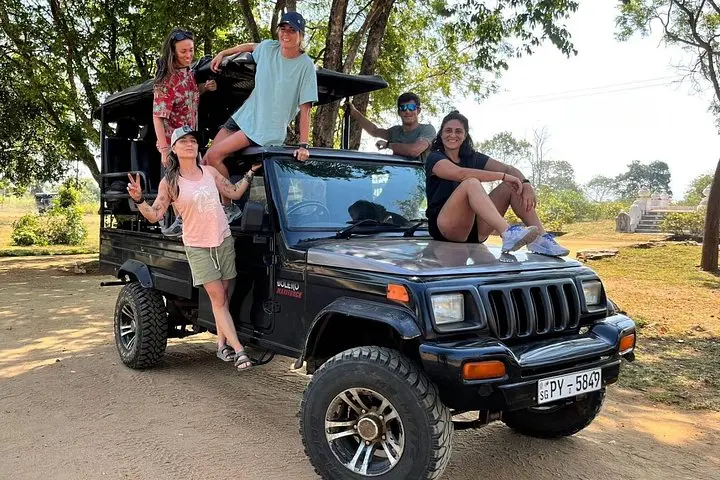
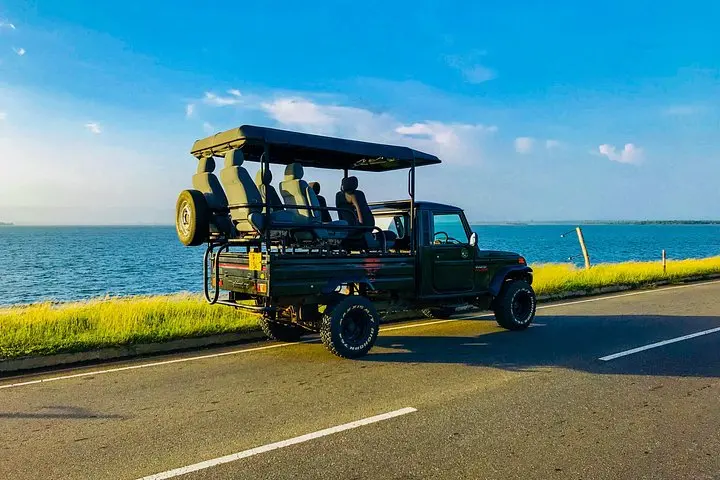
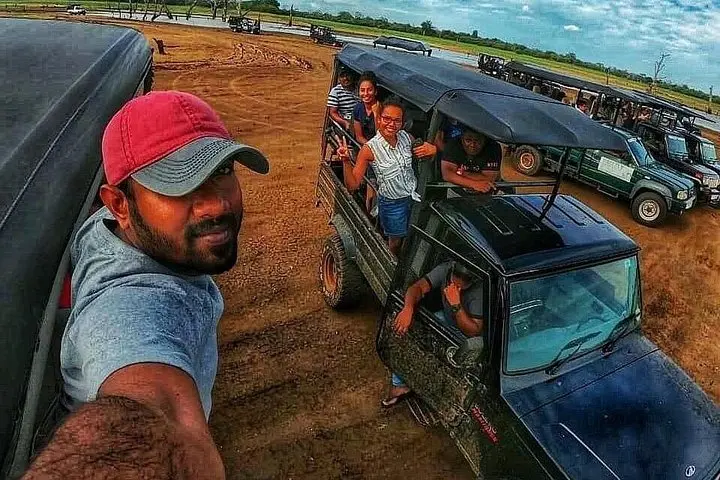
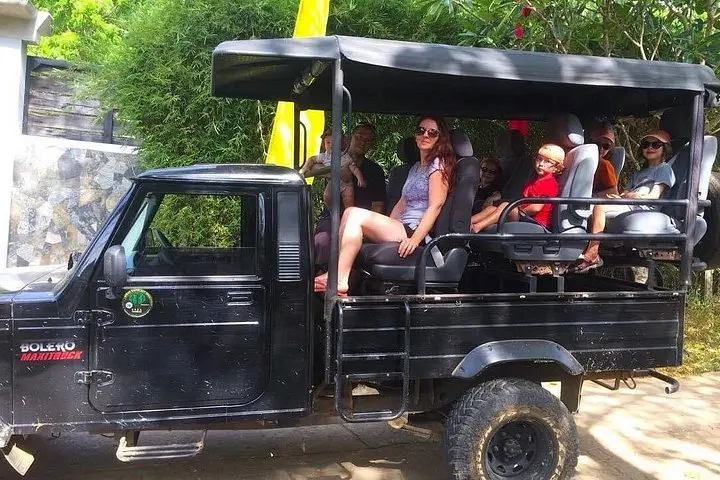
Spend three concentrated hours on a private jeep safari through Udawalawe National Park, one of Sri Lanka’s most consistent places to see free-roaming elephants. This short, off-road tour focuses on close animal encounters and wildlife photography from a comfortable safari vehicle.
Spend three concentrated hours on a private jeep safari through Udawalawe National Park, one of Sri Lanka’s most consistent places to see free-roaming elephants. This short, off-road tour focuses on close animal encounters and wildlife photography from a comfortable safari vehicle.
The jeep noses through a scattering of thorn scrub and tall grass, tires kicking dust that clings to your camera strap. Ahead, a family of elephants moves like slow weather — a matriarch deciding the route, calves trailing, distant water glinting where the reservoir laps the park edge.
Verified experiences and guided adventures in the surrounding area.
Operated by Roam Wings · Udawalawe, Sabaragamuwa Province
The jeep noses through a scattering of thorn scrub and tall grass, tires kicking dust that clings to your camera strap. Ahead, a family of elephants moves like slow weather — a matriarch deciding the route, calves trailing, distant water glinting where the reservoir laps the park edge.
Udawalawe sits in Sri Lanka's dry zone, carved by the Walawe River and defined by a mix of open grassland, scrub forest, and the shallow Udawalawe Reservoir. The protected area was created in the early 1970s to conserve wildlife and the reservoir’s catchment; today the park is one of the island’s most reliable places to see free-ranging elephants, as well as crocodiles, sambar and spotted deer, and raptors that circle thermals above bare ridgelines.
Local communities around the park practice paddy farming and chena cultivation; drivers and guides are often from nearby villages and combine natural-history know-how with a feel for animal behavior. Geologically, the landscape is an eroded plateau where shallow soils and seasonal drought concentrate wildlife around permanent water.
Practical guidance: expect a private, three-hour jeep safari over uneven, off-road tracks — the vehicle is the basecamp. Best light and animal activity come in the cool hours after dawn or late afternoon; mid-day can be quiet and hot. Bring binoculars and a telephoto lens, sun protection, and bottled water. Respect park rules: stay in the vehicle, keep noise low, and follow your driver-guide’s directions during close encounters. A short game drive here is compact but richly rewarding — up-close elephant behavior, splashy crocodiles at the reservoir edge, and birds that give the skyline movement.
This private tour runs about three hours, typically covering core sections of Udawalawe where elephants and other large mammals concentrate.
Udawalawe is one of Sri Lanka’s most reliable parks for elephant sightings, but wildlife sightings cannot be guaranteed — sightings are very likely on most drives.
Yes — private transportation to and from an agreed pickup point is included in the tour package.
Children are allowed; infant seats can be arranged. Mention ages during booking so the operator can prepare appropriate seating.
Roam Wings operates guided outdoor trips and adventures with an emphasis on safety, stewardship, and memorable experiences.
The jeep noses through a scattering of thorn scrub and tall grass, tires kicking dust that clings to your camera strap. Ahead, a family of elephants moves like slow weather — a matriarch deciding the route, calves trailing, distant water glinting where the reservoir laps the park edge.
The jeep noses through a scattering of thorn scrub and tall grass, tires kicking dust that clings to your camera strap. Ahead, a family of elephants moves like slow weather — a matriarch deciding the route, calves trailing, distant water glinting where the reservoir laps the park edge.
Udawalawe sits in Sri Lanka's dry zone, carved by the Walawe River and defined by a mix of open grassland, scrub forest, and the shallow Udawalawe Reservoir. The protected area was created in the early 1970s to conserve wildlife and the reservoir’s catchment; today the park is one of the island’s most reliable places to see free-ranging elephants, as well as crocodiles, sambar and spotted deer, and raptors that circle thermals above bare ridgelines.
Local communities around the park practice paddy farming and chena cultivation; drivers and guides are often from nearby villages and combine natural-history know-how with a feel for animal behavior. Geologically, the landscape is an eroded plateau where shallow soils and seasonal drought concentrate wildlife around permanent water.
Practical guidance: expect a private, three-hour jeep safari over uneven, off-road tracks — the vehicle is the basecamp. Best light and animal activity come in the cool hours after dawn or late afternoon; mid-day can be quiet and hot. Bring binoculars and a telephoto lens, sun protection, and bottled water. Respect park rules: stay in the vehicle, keep noise low, and follow your driver-guide’s directions during close encounters. A short game drive here is compact but richly rewarding — up-close elephant behavior, splashy crocodiles at the reservoir edge, and birds that give the skyline movement.