THE ADVENTURE COLLECTIVE® · Independent discovery and booking for outdoor travel

Ten days across Uganda from the Nile’s white water to Bwindi’s cloud forest, pairing adrenaline with intimate wildlife encounters. Advance permits and steady fitness make this a demanding but deeply rewarding safari.
Ten days across Uganda from the Nile’s white water to Bwindi’s cloud forest, pairing adrenaline with intimate wildlife encounters. Advance permits and steady fitness make this a demanding but deeply rewarding safari.
The first light over Lake Victoria cuts the humid air as you leave Entebbe; a driver slides through roadside markets and tea farms while the landscape opens into the highlands.
Verified experiences and guided adventures in the surrounding area.
Operated by Primate World Safaris (U) Ltd · Kampala, Central Region
The first light over Lake Victoria cuts the humid air as you leave Entebbe; a driver slides through roadside markets and tea farms while the landscape opens into the highlands.
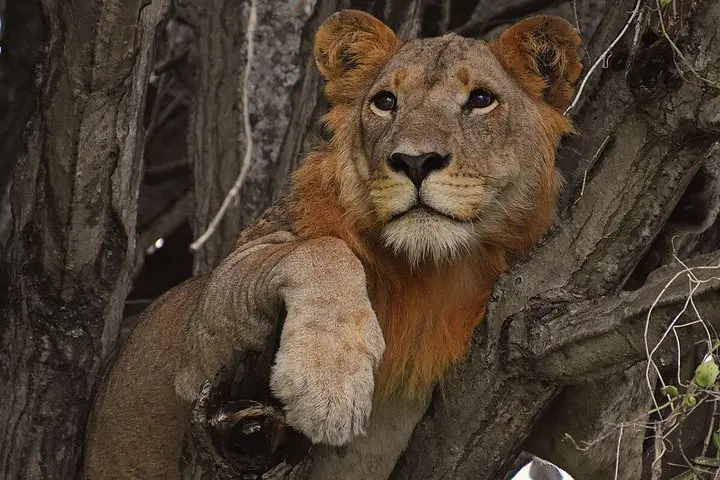
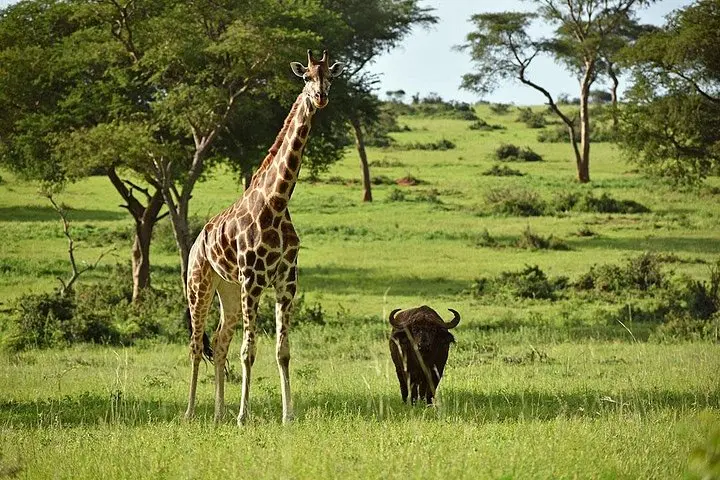
From the thunder of the Nile’s rapids in Jinja to the dense, dark canopy of Bwindi, this 10-day route stitches together two kinds of wild — river and forest — with savannah game drives and crater-lake hikes between.
Historically the route crosses kingdoms and colonial waypoints: Fort Portal’s Tooro Palace and the Amabere ga Nyina Mwiru caves speak to local narratives, while the Rwenzori foothills and volcanic crater lakes reveal Uganda’s tectonic past and fertile soils.
Culturally, expect guided interactions with communities around Kibale and Mpigi where drum-making and swamp walks give practical context to conservation that underpins gorilla and chimp protection. Geologically, the landscape shifts fast — lowland wetlands, erosion-sculpted terraces and the steeper, shrouded slopes of Bwindi where mountain gorillas survive.
Practical guidance: gorilla permits are limited and required in advance; tracking can take several hours on steep, muddy trails and is physically demanding. Pack waterproof layers, sturdy boots, a headlamp, and at least 1–2 liters of water per person. Best windows are the drier months (December–February and June–August) for easier trekking and clearer game-viewing.
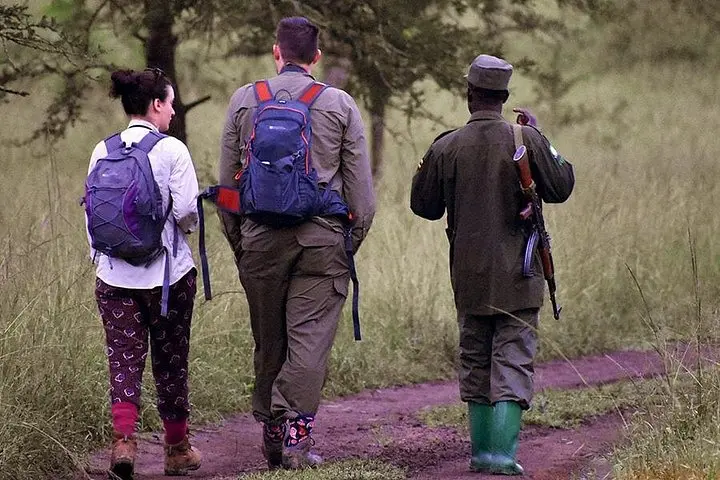
Expect long transfers—some days are predominantly driving—so plan for motion comfort and flexible timing. Guides and rangers mediate encounters; follow their rules when close to primates to minimize disease transmission and disturbance.
This itinerary delivers variety: white-water, bird-rich swamps, crater lakes and the unforgettable hour in the presence of mountain gorillas — each element practical, raw, and carefully regulated to protect what you came to see.
Yes—gorilla permits are mandatory, limited in number and must be purchased in advance through authorized channels.
Moderate to high fitness is recommended; treks can be several hours on steep, muddy trails and may require scrambling.
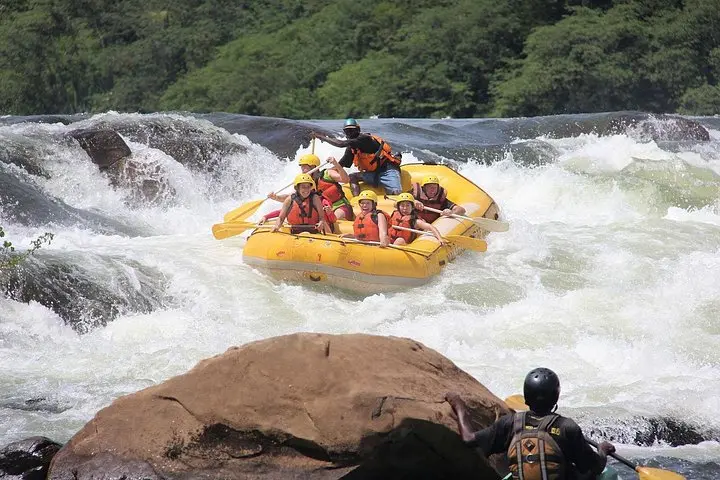
Rafting on the Nile in Jinja is included as an option; operators run beginner-friendly trips but check rapid grades and choose half- or full-day based on experience.
Yellow fever vaccination is required for Uganda entry; consult a travel clinic for malaria prophylaxis and routine immunizations before departure.
Primate World Safaris (U) Ltd operates guided outdoor trips and adventures with an emphasis on safety, stewardship, and memorable experiences.
The first light over Lake Victoria cuts the humid air as you leave Entebbe; a driver slides through roadside markets and tea farms while the landscape opens into the highlands.
The first light over Lake Victoria cuts the humid air as you leave Entebbe; a driver slides through roadside markets and tea farms while the landscape opens into the highlands.
From the thunder of the Nile’s rapids in Jinja to the dense, dark canopy of Bwindi, this 10-day route stitches together two kinds of wild — river and forest — with savannah game drives and crater-lake hikes between.
Historically the route crosses kingdoms and colonial waypoints: Fort Portal’s Tooro Palace and the Amabere ga Nyina Mwiru caves speak to local narratives, while the Rwenzori foothills and volcanic crater lakes reveal Uganda’s tectonic past and fertile soils.
Culturally, expect guided interactions with communities around Kibale and Mpigi where drum-making and swamp walks give practical context to conservation that underpins gorilla and chimp protection. Geologically, the landscape shifts fast — lowland wetlands, erosion-sculpted terraces and the steeper, shrouded slopes of Bwindi where mountain gorillas survive.
Practical guidance: gorilla permits are limited and required in advance; tracking can take several hours on steep, muddy trails and is physically demanding. Pack waterproof layers, sturdy boots, a headlamp, and at least 1–2 liters of water per person. Best windows are the drier months (December–February and June–August) for easier trekking and clearer game-viewing.
Expect long transfers—some days are predominantly driving—so plan for motion comfort and flexible timing. Guides and rangers mediate encounters; follow their rules when close to primates to minimize disease transmission and disturbance.
This itinerary delivers variety: white-water, bird-rich swamps, crater lakes and the unforgettable hour in the presence of mountain gorillas — each element practical, raw, and carefully regulated to protect what you came to see.