THE ADVENTURE COLLECTIVE® · Independent discovery and booking for outdoor travel

A compact two-day route from Kampala to Jinja that combines cultural stops with river-based thrills at the Source of the Nile. Ideal for travelers wanting a flexible self-drive or private guided option, with rafting, community walks and easy sightseeing.
A compact two-day route from Kampala to Jinja that combines cultural stops with river-based thrills at the Source of the Nile. Ideal for travelers wanting a flexible self-drive or private guided option, with rafting, community walks and easy sightseeing.
You pull out of Kampala at dawn, the city’s traffic shrinking behind you while the roadside palms lean in as if to watch you go.
Verified experiences and guided adventures in the surrounding area.
Operated by faultfree tours & safaris uganda · Kampala, Kampala
You pull out of Kampala at dawn, the city’s traffic shrinking behind you while the roadside palms lean in as if to watch you go.
This two-day road trip threads Uganda’s central lowlands toward Jinja, the point where the Nile gathers itself and dares you forward. Day one visits Kampala’s cultural nodes — museums, the archives that hold post-independence stories and items linked to the Amin era, plus unexpected relics like early motorcars and traditional instruments. Geologically the drive drops from the city plateau into the Nile basin; the land opens, rivers cut shallow gorges, and roadside quarries show the country’s volcanic-sedimentary mix.
In Jinja the river takes center stage: the Source of the Nile, braided channels, Bujagali’s rocky rapids and small waterfalls that hum with activity. The town carries a mix of industrial history and growing adventure culture; rafting, bungee and community walks provide different ways to engage with both river and people.
Practical guidance: the route is about 80–90 km and typically 2–3 hours each way with traffic; road surfaces are mostly paved but expect occasional potholes. The trip is offered as self-drive or private transport with air-conditioned vehicles and onboard Wi‑Fi, so plan fuel stops and check vehicle insurance before you go. Pack sun protection and a light rain layer — weather shifts fast near the Nile — and schedule active water activities for mid-morning when flows are stable.
Respect local communities, carry cash for small purchases, and leave no trace along riverbanks — the Nile’s health depends on that care.
Yes — licensed operators provide safety briefings, equipment and river guides; never raft on the Nile without a professional guide.
Expect roughly 2–3 hours (80–90 km) each way depending on traffic and road conditions.
Yes — vehicles offer infant seats and the route is accessible, but check age and safety restrictions for adventure activities like rafting and bungee.
Dry-season months (June–August and December–February) typically offer more predictable water conditions for rafting, though operators run trips year-round with seasonal adjustments.
faultfree tours & safaris uganda operates guided outdoor trips and adventures with an emphasis on safety, stewardship, and memorable experiences.
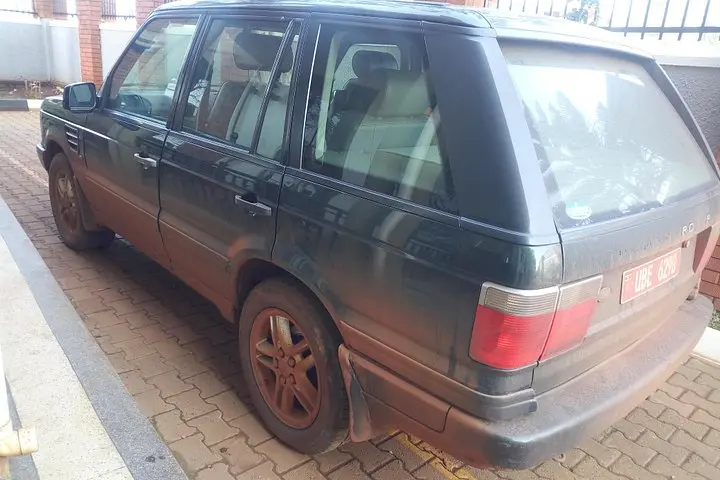
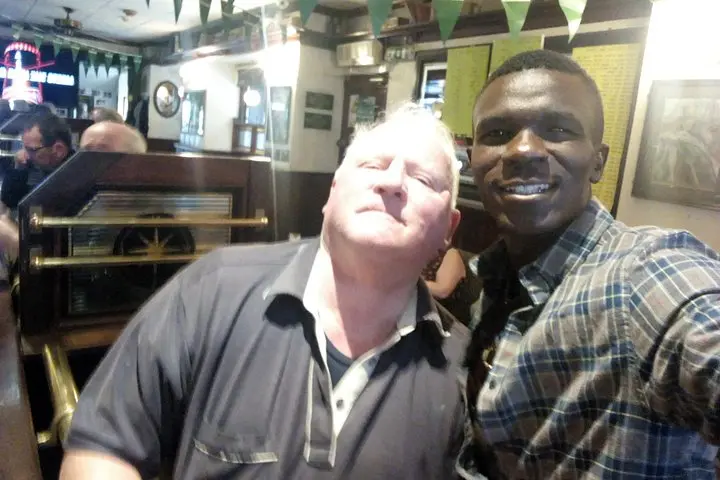
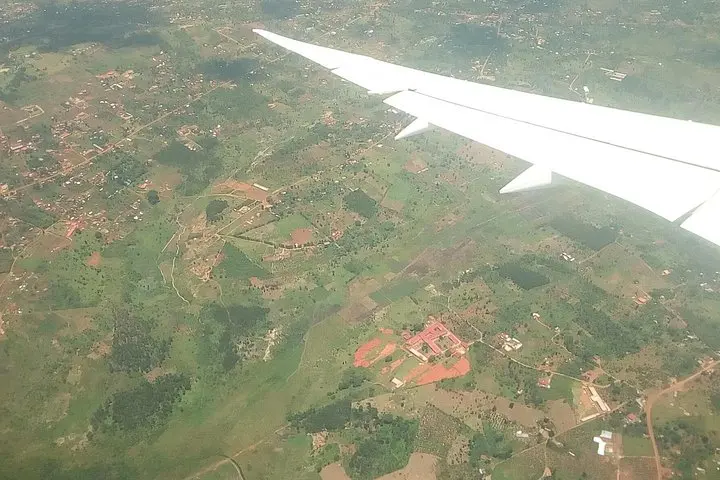
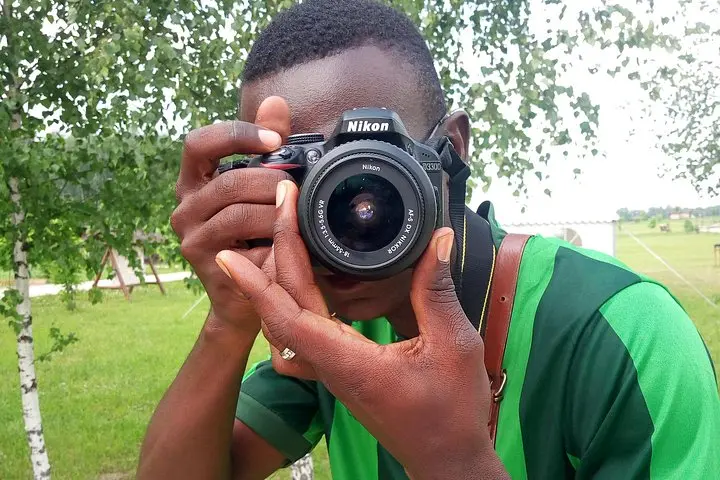
You pull out of Kampala at dawn, the city’s traffic shrinking behind you while the roadside palms lean in as if to watch you go.
You pull out of Kampala at dawn, the city’s traffic shrinking behind you while the roadside palms lean in as if to watch you go.
This two-day road trip threads Uganda’s central lowlands toward Jinja, the point where the Nile gathers itself and dares you forward. Day one visits Kampala’s cultural nodes — museums, the archives that hold post-independence stories and items linked to the Amin era, plus unexpected relics like early motorcars and traditional instruments. Geologically the drive drops from the city plateau into the Nile basin; the land opens, rivers cut shallow gorges, and roadside quarries show the country’s volcanic-sedimentary mix.
In Jinja the river takes center stage: the Source of the Nile, braided channels, Bujagali’s rocky rapids and small waterfalls that hum with activity. The town carries a mix of industrial history and growing adventure culture; rafting, bungee and community walks provide different ways to engage with both river and people.
Practical guidance: the route is about 80–90 km and typically 2–3 hours each way with traffic; road surfaces are mostly paved but expect occasional potholes. The trip is offered as self-drive or private transport with air-conditioned vehicles and onboard Wi‑Fi, so plan fuel stops and check vehicle insurance before you go. Pack sun protection and a light rain layer — weather shifts fast near the Nile — and schedule active water activities for mid-morning when flows are stable.
Respect local communities, carry cash for small purchases, and leave no trace along riverbanks — the Nile’s health depends on that care.