THE ADVENTURE COLLECTIVE® · Independent discovery and booking for outdoor travel

Ride 230 km of open water from the Gold Coast to the Tangalooma Wrecks in a single, guide-led 10‑hour jetski journey. Expect long runs across bays, stops at North Stradbroke and Moreton Island highlights, and close encounters with dolphins and turtles.
Ride 230 km of open water from the Gold Coast to the Tangalooma Wrecks in a single, guide-led 10‑hour jetski journey. Expect long runs across bays, stops at North Stradbroke and Moreton Island highlights, and close encounters with dolphins and turtles.
You kick off at Pier B on the Gold Coast as engines chuff and the ocean pulls the horizon forward. Waves dare you to find rhythm; the wind presses a cool hand to your face as a string of Sea‑Doos cross the bay. Over ten hours the tour covers about 230 km of open water and island edges — a long day of speed, salt, and sight.
Verified experiences and guided adventures in the surrounding area.
Operated by Trident Jetskis · Gold Coast, Queensland
You kick off at Pier B on the Gold Coast as engines chuff and the ocean pulls the horizon forward. Waves dare you to find rhythm; the wind presses a cool hand to your face as a string of Sea‑Doos cross the bay. Over ten hours the tour covers about 230 km of open water and island edges — a long day of speed, salt, and sight.
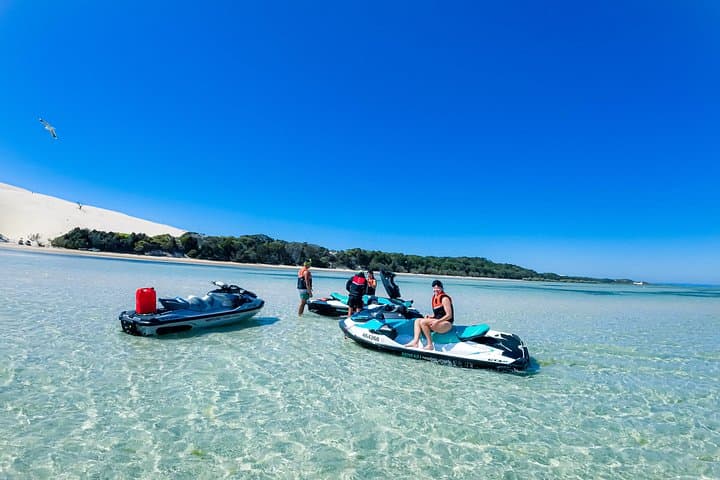
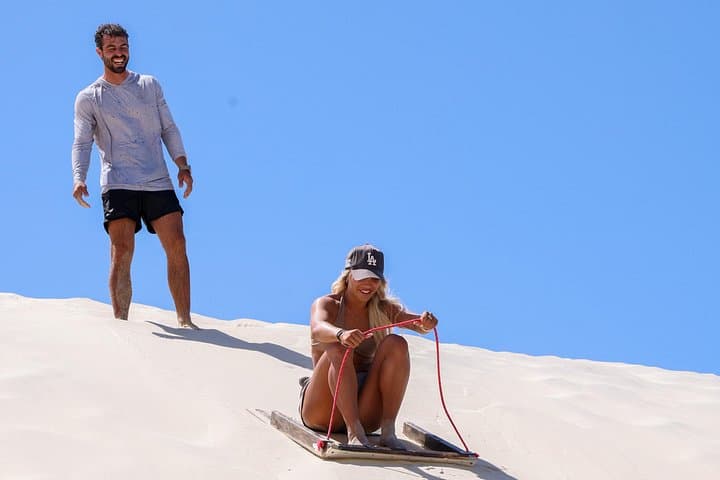
The route threads past South Stradbroke’s shifting beaches, pauses at Dunwich and Amity on North Stradbroke Island, and reaches the Big Sandhills and the famous Tangalooma Wrecks on Moreton Island. Moreton is one of the world’s largest sand islands, formed by coastal currents and longshore drift; the Tangalooma Wrecks were intentionally scuttled decades ago to form a sheltered breakwall and now attract snorkelers and reef fish. The region has strong Indigenous and maritime histories tied to coastal navigation and shellfish gathering.
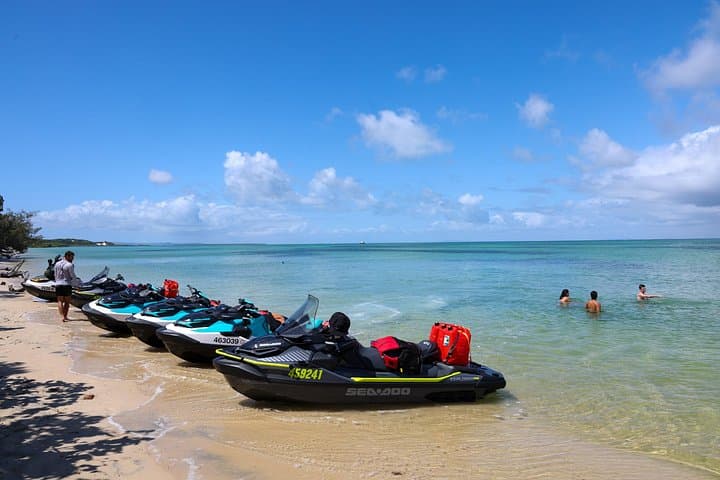
Practically, this is an extreme, guide‑led ocean run: expect sustained exposure to sun, chop, and changing swell. Guides handle routing and refueling; lifejackets, JetPilot goggles, and modern Sea‑Doo machines are provided. Bring reef‑safe sunscreen, a long‑sleeve rash guard, secured sunglasses, and a hydration system. Fitness and confidence on a jetski in open water are essential — riders will operate vehicles for long stretches and may refuel twice onshore.
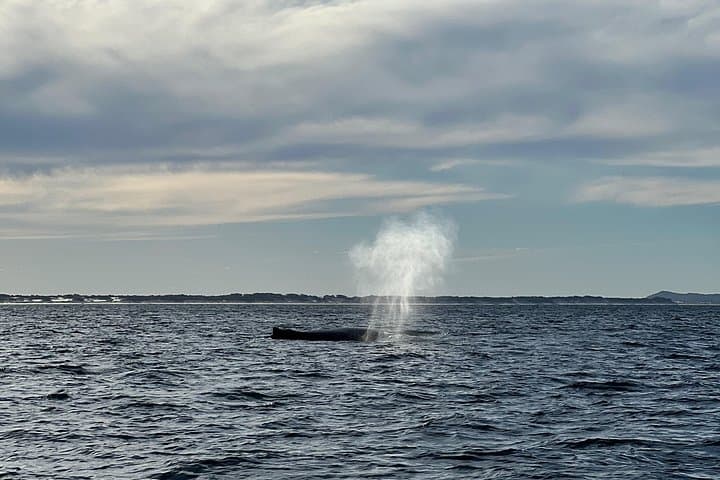
Timing matters: aim for calmer morning conditions and check whale season windows. Respect marine park rules, avoid touching coral, and give dugong feeding grounds wide berth. For travelers seeking raw coastal miles and close encounters with dolphins and turtles, this is an unmatched day on the water.
No formal certification is required, but riders must be confident handling a Sea‑Doo in open water; guides provide briefing and oversight.
Tours are cancelled for heavy seas or unsafe conditions with a full refund if canceled at least 24 hours in advance; operators monitor forecasts closely.
Yes, modern JetPilot PFDs are supplied and required for all participants for every leg of the journey.
Yes — there are scheduled stops at the Tangalooma Wrecks for snorkeling and swimming; bring reef‑safe sunscreen and a mask if you prefer your own gear.
Trident Jetskis operates guided outdoor trips and adventures with an emphasis on safety, stewardship, and memorable experiences.
You kick off at Pier B on the Gold Coast as engines chuff and the ocean pulls the horizon forward. Waves dare you to find rhythm; the wind presses a cool hand to your face as a string of Sea‑Doos cross the bay. Over ten hours the tour covers about 230 km of open water and island edges — a long day of speed, salt, and sight.
You kick off at Pier B on the Gold Coast as engines chuff and the ocean pulls the horizon forward. Waves dare you to find rhythm; the wind presses a cool hand to your face as a string of Sea‑Doos cross the bay. Over ten hours the tour covers about 230 km of open water and island edges — a long day of speed, salt, and sight.
The route threads past South Stradbroke’s shifting beaches, pauses at Dunwich and Amity on North Stradbroke Island, and reaches the Big Sandhills and the famous Tangalooma Wrecks on Moreton Island. Moreton is one of the world’s largest sand islands, formed by coastal currents and longshore drift; the Tangalooma Wrecks were intentionally scuttled decades ago to form a sheltered breakwall and now attract snorkelers and reef fish. The region has strong Indigenous and maritime histories tied to coastal navigation and shellfish gathering.
Practically, this is an extreme, guide‑led ocean run: expect sustained exposure to sun, chop, and changing swell. Guides handle routing and refueling; lifejackets, JetPilot goggles, and modern Sea‑Doo machines are provided. Bring reef‑safe sunscreen, a long‑sleeve rash guard, secured sunglasses, and a hydration system. Fitness and confidence on a jetski in open water are essential — riders will operate vehicles for long stretches and may refuel twice onshore.
Timing matters: aim for calmer morning conditions and check whale season windows. Respect marine park rules, avoid touching coral, and give dugong feeding grounds wide berth. For travelers seeking raw coastal miles and close encounters with dolphins and turtles, this is an unmatched day on the water.