THE ADVENTURE COLLECTIVE® · Independent discovery and booking for outdoor travel

A compact three-day circuit from Muscat that stitches turquoise sinkholes, canyon swims, dhow-built heritage, desert dunes and alpine terraces into one accessible adventure. Expect active hikes, sand driving and cool mountain air—plus practical local insights to help you prepare.
A compact three-day circuit from Muscat that stitches turquoise sinkholes, canyon swims, dhow-built heritage, desert dunes and alpine terraces into one accessible adventure. Expect active hikes, sand driving and cool mountain air—plus practical local insights to help you prepare.
Before sunrise the 4x4 eases out of Muscat and the city’s glow gives way to long coastal roads and scrubby desert light.
Verified experiences and guided adventures in the surrounding area.
Operated by Oman Camping Tours · Muscat, Muscat
Before sunrise the 4x4 eases out of Muscat and the city’s glow gives way to long coastal roads and scrubby desert light.
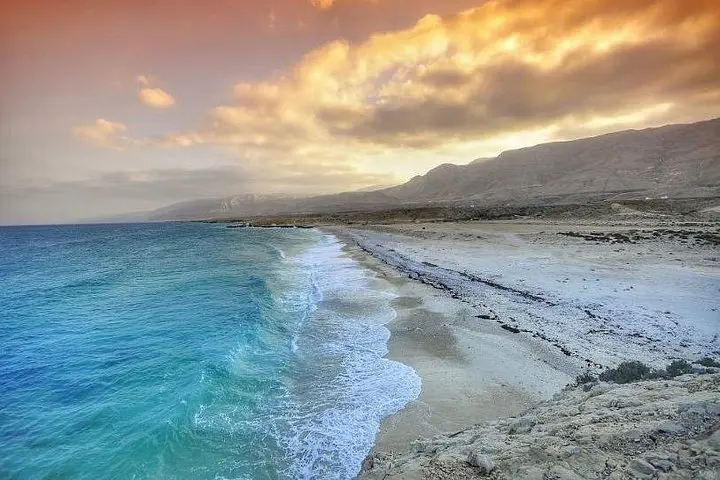
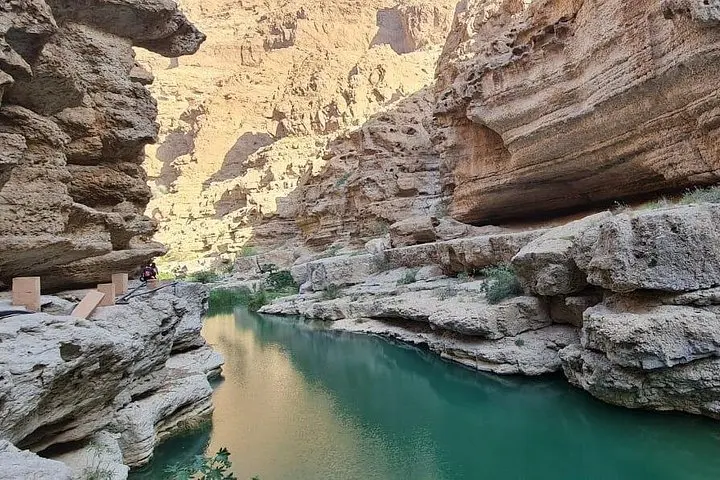
On day one you plunge into water—Bimmah Sinkhole’s turquoise bowl and the powder-white stretch of Fins Beach—before threading the canyon of Wadi Shab. The hike into Wadi Shab is a 35–40 minute slot-canyon walk punctuated by swimming pools and a cave waterfall; the canyon closes around you and the cool water dares you to keep going. By evening you arrive at Ras Al Hadd where sea and sand meet ancient turtle nesting beaches.
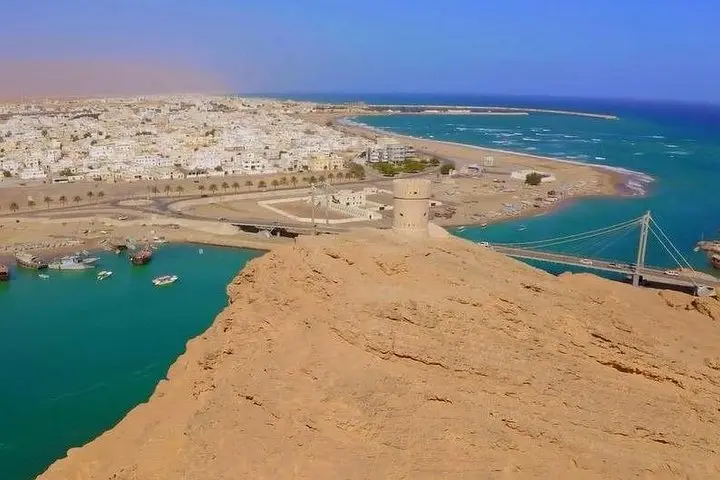
Day two moves east to Sur’s dhow yards and Wadi Bani Khalid’s palm-ringed pools; then the landscape shifts to the ochre waves of Wahiba Sands for dune driving and sunset campfire. Day three climbs the Al Hajar range to Jebel Akhdar (Saiq Plateau), where terraces, roses and ancient aflaj irrigation reveal how water shaped Omani life, then a stop at Birkat Al Mauz before the return to Muscat.
Geology ranges from coastal limestone sinkholes and wadi gorges worn into Cretaceous rock to wind-sculpted dune seas and uplifted Hajar granites. Culture is equally tangible: handcrafted dhows, date farms and aflaj channels listed by UNESCO.
Practical guidance: travel with a licensed guide, start hikes early to avoid heat, bring sturdy water shoes for wadi pools and closed-toe shoes for dunes, and pack layers—Jebel Akhdar can be cool. Hydrate steadily, protect from sun, and follow local rules around turtle nesting and fragile dune vegetation.
Moderate: expect short to mid-length hikes (35–40 minute approaches) and swimming; participants should have basic mobility and no severe cardiovascular or spinal issues.
Swimming is optional but highly recommended for Wadi Shab and Wadi Bani Khalid; guides can assist less-confident swimmers and lifejackets may be available.
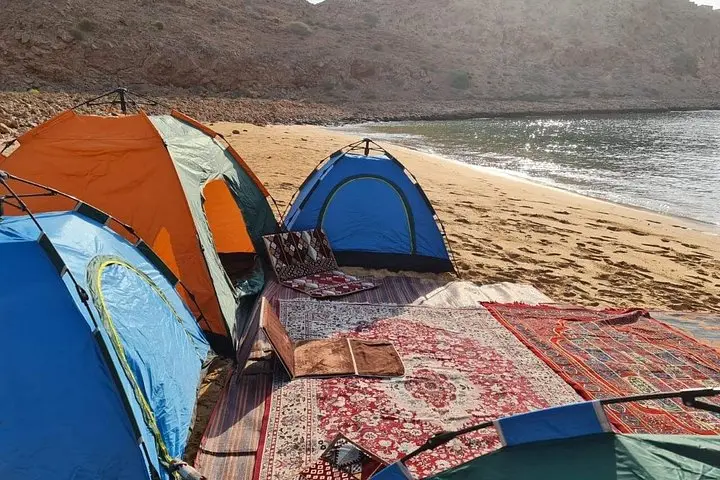
Overnight stays alternate between simple desert camps (shared or private tents) and regional hotels/resorts; camps offer basic amenities and evening meals.
Yes—operators can change timing or swaps (for example shifting wadi visits) if weather or sea conditions make a stop unsafe; cancellation policies usually apply.
Oman Camping Tours operates guided outdoor trips and adventures with an emphasis on safety, stewardship, and memorable experiences.
Before sunrise the 4x4 eases out of Muscat and the city’s glow gives way to long coastal roads and scrubby desert light.
Before sunrise the 4x4 eases out of Muscat and the city’s glow gives way to long coastal roads and scrubby desert light.
On day one you plunge into water—Bimmah Sinkhole’s turquoise bowl and the powder-white stretch of Fins Beach—before threading the canyon of Wadi Shab. The hike into Wadi Shab is a 35–40 minute slot-canyon walk punctuated by swimming pools and a cave waterfall; the canyon closes around you and the cool water dares you to keep going. By evening you arrive at Ras Al Hadd where sea and sand meet ancient turtle nesting beaches.
Day two moves east to Sur’s dhow yards and Wadi Bani Khalid’s palm-ringed pools; then the landscape shifts to the ochre waves of Wahiba Sands for dune driving and sunset campfire. Day three climbs the Al Hajar range to Jebel Akhdar (Saiq Plateau), where terraces, roses and ancient aflaj irrigation reveal how water shaped Omani life, then a stop at Birkat Al Mauz before the return to Muscat.
Geology ranges from coastal limestone sinkholes and wadi gorges worn into Cretaceous rock to wind-sculpted dune seas and uplifted Hajar granites. Culture is equally tangible: handcrafted dhows, date farms and aflaj channels listed by UNESCO.
Practical guidance: travel with a licensed guide, start hikes early to avoid heat, bring sturdy water shoes for wadi pools and closed-toe shoes for dunes, and pack layers—Jebel Akhdar can be cool. Hydrate steadily, protect from sun, and follow local rules around turtle nesting and fragile dune vegetation.