THE ADVENTURE COLLECTIVE® · Independent discovery and booking for outdoor travel

Ride one of Vietnam’s most dramatic highland loops over four days: mountain passes, ethnic homestays, and the Nho Que canyon. This private motorcycle tour balances long saddle days with cultural stops and local guides who handle logistics.
Ride one of Vietnam’s most dramatic highland loops over four days: mountain passes, ethnic homestays, and the Nho Que canyon. This private motorcycle tour balances long saddle days with cultural stops and local guides who handle logistics.
A thin morning mist lifts off switchback ridges as riders push out of Ha Giang city, engines low and steady, the road carving a ribbon through limestone spires and terrace-stepped fields. Over four days the loop stitches together high passes, ethnic villages and river canyons; each dawn reshapes the landscape’s light and the evening brings local kitchens and homestays.
Verified experiences and guided adventures in the surrounding area.
Operated by Local Tours SAPA · Ha Giang, Ha Giang Province
A thin morning mist lifts off switchback ridges as riders push out of Ha Giang city, engines low and steady, the road carving a ribbon through limestone spires and terrace-stepped fields. Over four days the loop stitches together high passes, ethnic villages and river canyons; each dawn reshapes the landscape’s light and the evening brings local kitchens and homestays.
Geology here is raw: karst towers, shale cliffs and deep gorges like the Nho Que cut the map into dramatic slices. The route crosses Ma Pi Leng — a high, exposed pass with panoramas that feel dangerously immediate — and threads past Dong Van’s Vuong family mansion, an echo of H’Mong, Chinese and French interactions that shaped local architecture and trade routes. Cultural life remains visible in markets, woven cloth, and homestays run by H’Mong and Lo Lo families.
Practically, expect roughly 300–350 km of riding over mixed pavement, steep hairpins and occasional gravel shoulders; elevations approach 2,000 m on the highest passes. Days are long: plan for 4–8 hours in the saddle, short photo stops and a riverside boat at Nho Que. Guides manage navigation and local permits; there’s an Easy Rider option for passengers who prefer not to drive.
Pack a layered riding kit, basic tools and a small first-aid kit, keep water and cash handy in mountain towns, and allow extra time for weather or cultural detours. Respect village rhythms: ask before photographing people, dispose of waste responsibly, and leave the views as you found them.
If you plan to self-drive you must have a valid international driving license; if you choose Easy Rider or guide-driven arrangements no license is required for passengers.
Main routes are paved but narrow with steep hairpins and occasional gravel or potholes; caution is required, especially after rain.
Most nights are at local homestays or simple hotels that offer clean rooms and home-cooked meals; expect regional comfort rather than luxury.
Temperatures can drop significantly above 1,500–2,000 m, especially early morning and at night—bring insulating layers even in warmer months.
Local Tours SAPA operates guided outdoor trips and adventures with an emphasis on safety, stewardship, and memorable experiences.
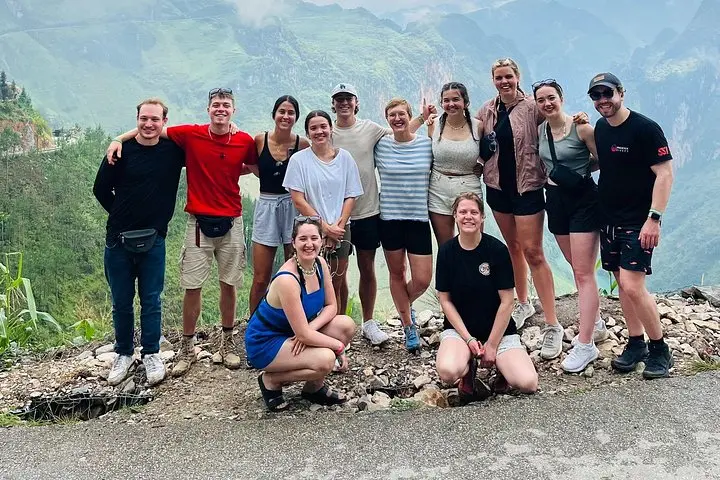
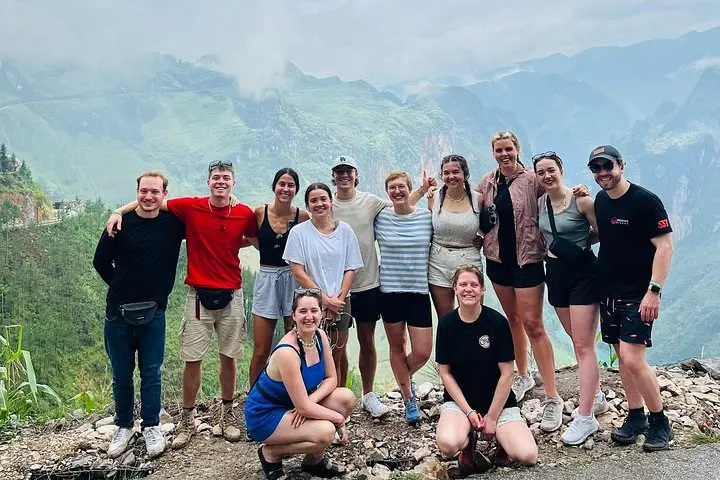
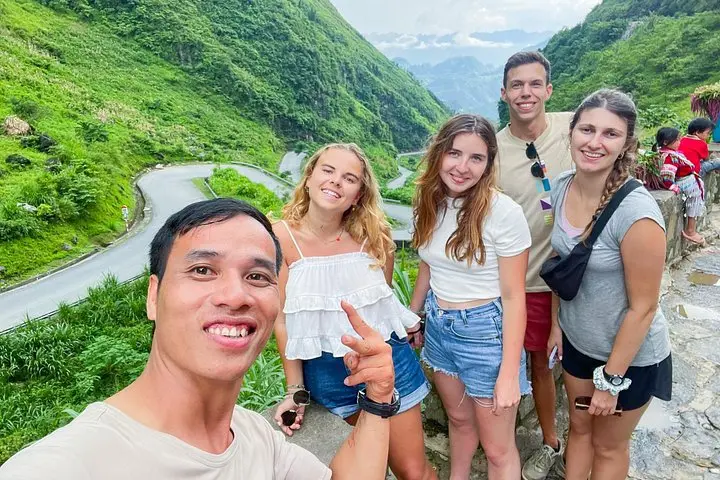
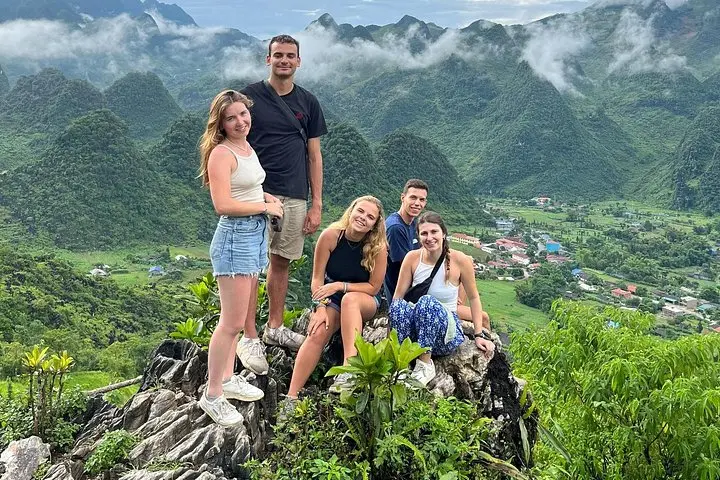
A thin morning mist lifts off switchback ridges as riders push out of Ha Giang city, engines low and steady, the road carving a ribbon through limestone spires and terrace-stepped fields. Over four days the loop stitches together high passes, ethnic villages and river canyons; each dawn reshapes the landscape’s light and the evening brings local kitchens and homestays.
A thin morning mist lifts off switchback ridges as riders push out of Ha Giang city, engines low and steady, the road carving a ribbon through limestone spires and terrace-stepped fields. Over four days the loop stitches together high passes, ethnic villages and river canyons; each dawn reshapes the landscape’s light and the evening brings local kitchens and homestays.
Geology here is raw: karst towers, shale cliffs and deep gorges like the Nho Que cut the map into dramatic slices. The route crosses Ma Pi Leng — a high, exposed pass with panoramas that feel dangerously immediate — and threads past Dong Van’s Vuong family mansion, an echo of H’Mong, Chinese and French interactions that shaped local architecture and trade routes. Cultural life remains visible in markets, woven cloth, and homestays run by H’Mong and Lo Lo families.
Practically, expect roughly 300–350 km of riding over mixed pavement, steep hairpins and occasional gravel shoulders; elevations approach 2,000 m on the highest passes. Days are long: plan for 4–8 hours in the saddle, short photo stops and a riverside boat at Nho Que. Guides manage navigation and local permits; there’s an Easy Rider option for passengers who prefer not to drive.
Pack a layered riding kit, basic tools and a small first-aid kit, keep water and cash handy in mountain towns, and allow extra time for weather or cultural detours. Respect village rhythms: ask before photographing people, dispose of waste responsibly, and leave the views as you found them.