THE ADVENTURE COLLECTIVE® · Independent discovery and booking for outdoor travel

Three days in Rwanda’s Akagera National Park combine game drives with a boat safari on Lake Ihema. Expect close views of elephants, hippos and waterbirds, plus evenings at lodge bases near the park.
Three days in Rwanda’s Akagera National Park combine game drives with a boat safari on Lake Ihema. Expect close views of elephants, hippos and waterbirds, plus evenings at lodge bases near the park.
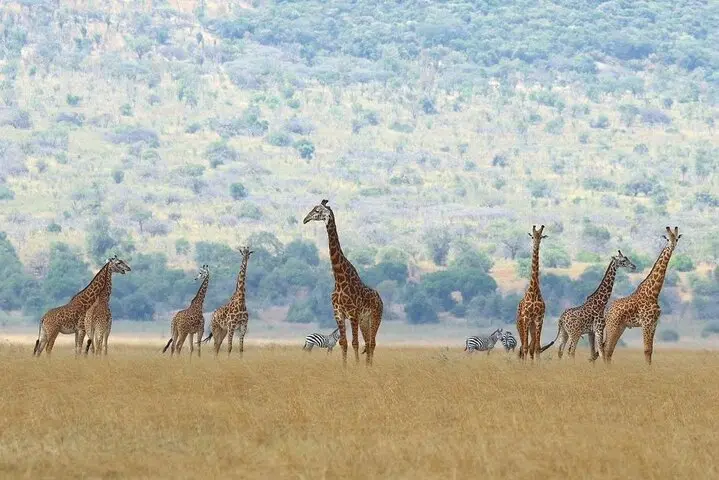
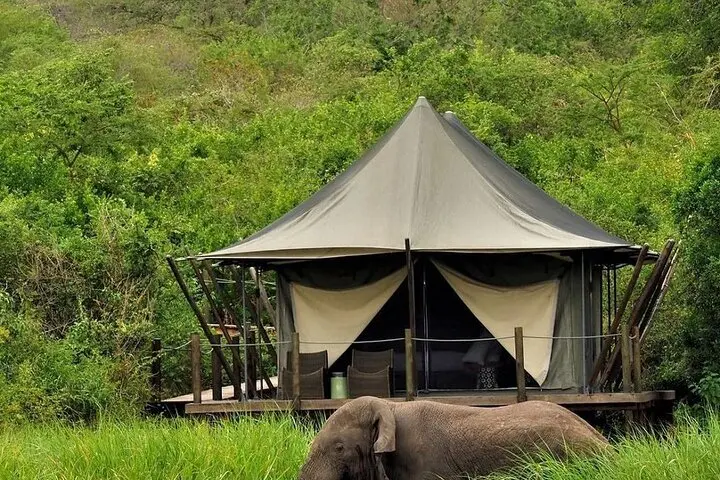
Dust lifts off red earth as your vehicle threads the park’s grid of tracks; acacia silhouettes sharpen against a low, copper sky. On arrival you feel the scale of Akagera: lakes that gather the light, papyrus choked shorelines, and wide savanna where elephants move like slow weather.
Verified experiences and guided adventures in the surrounding area.
Operated by VIRUNGA ECOTOURS · Akagera National Park, Eastern Province
Dust lifts off red earth as your vehicle threads the park’s grid of tracks; acacia silhouettes sharpen against a low, copper sky. On arrival you feel the scale of Akagera: lakes that gather the light, papyrus choked shorelines, and wide savanna where elephants move like slow weather.
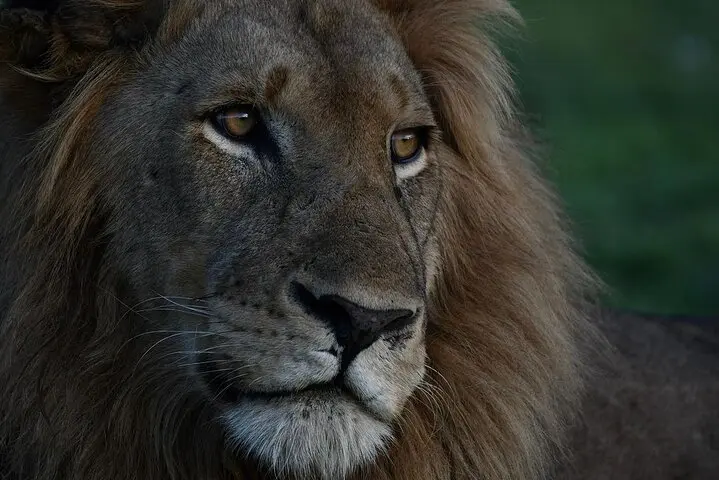
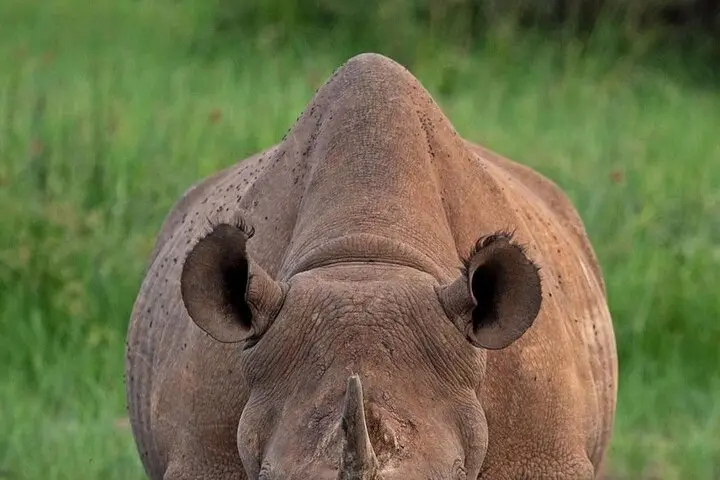
Akagera sits on the eastern edge of Rwanda’s highlands, a landscape shaped by the western branch of the East African Rift. Protected since the mid-20th century, the park blends savanna, wetland and woodlands—habitat that supports elephant, buffalo, zebra and an aquatic cast of hippos and crocodiles on Lake Ihema. Local communities and conservationists have rebuilt populations and reintroduced predators in recent years, changing the park’s story from decline to recovery.
On this three-day expedition expect afternoon and early-morning game drives that concentrate sightings, plus a boat safari that edges through papyrus channels to watch hippos surface and African fish eagles wheel. Guides read spoor and timing; mornings are best for predators, afternoons for large herbivores and waterbirds.
Practical edge: pack neutral clothing, a good pair of binoculars and a small daypack for water and sun protection. Long vehicle hours mean comfortable footwear and motion-sickness preparations help. Respect distances—vehicles are your blind and buffer—and follow your guide’s directions around wildlife. Lodges provide meals and a base to rest between drives; fuel up on water and sunscreen, charge cameras at the lodge, and plan pockets of downtime to absorb the quiet between sightings.
Park entrance fees are required and are usually included by tour operators; confirm what’s covered when you book.
Routine vaccinations are advised; check for yellow fever requirements and bring antimalarial medication—consult a travel clinic before departure.
Many operators accept children, but vehicle seating and activity pacing vary—confirm age rules and safety provisions when booking.
Early morning and late afternoon are typically best for active predators and large mammals; boat safaris often run in the warmer mid-to-late morning for waterbird and hippo viewing.
VIRUNGA ECOTOURS operates guided outdoor trips and adventures with an emphasis on safety, stewardship, and memorable experiences.
Dust lifts off red earth as your vehicle threads the park’s grid of tracks; acacia silhouettes sharpen against a low, copper sky. On arrival you feel the scale of Akagera: lakes that gather the light, papyrus choked shorelines, and wide savanna where elephants move like slow weather.
Dust lifts off red earth as your vehicle threads the park’s grid of tracks; acacia silhouettes sharpen against a low, copper sky. On arrival you feel the scale of Akagera: lakes that gather the light, papyrus choked shorelines, and wide savanna where elephants move like slow weather.
Akagera sits on the eastern edge of Rwanda’s highlands, a landscape shaped by the western branch of the East African Rift. Protected since the mid-20th century, the park blends savanna, wetland and woodlands—habitat that supports elephant, buffalo, zebra and an aquatic cast of hippos and crocodiles on Lake Ihema. Local communities and conservationists have rebuilt populations and reintroduced predators in recent years, changing the park’s story from decline to recovery.
On this three-day expedition expect afternoon and early-morning game drives that concentrate sightings, plus a boat safari that edges through papyrus channels to watch hippos surface and African fish eagles wheel. Guides read spoor and timing; mornings are best for predators, afternoons for large herbivores and waterbirds.
Practical edge: pack neutral clothing, a good pair of binoculars and a small daypack for water and sun protection. Long vehicle hours mean comfortable footwear and motion-sickness preparations help. Respect distances—vehicles are your blind and buffer—and follow your guide’s directions around wildlife. Lodges provide meals and a base to rest between drives; fuel up on water and sunscreen, charge cameras at the lodge, and plan pockets of downtime to absorb the quiet between sightings.