THE ADVENTURE COLLECTIVE® · Independent discovery and booking for outdoor travel

Drive from Vancouver to Calgary on a self-guided, one-way overland route that threads temperate rainforest, glacier-fed lakes and the Canadian Rockies. This guide covers what to expect—terrain, wildlife, backcountry camping and essential logistics—for a confident, off-grid trip.
Drive from Vancouver to Calgary on a self-guided, one-way overland route that threads temperate rainforest, glacier-fed lakes and the Canadian Rockies. This guide covers what to expect—terrain, wildlife, backcountry camping and essential logistics—for a confident, off-grid trip.
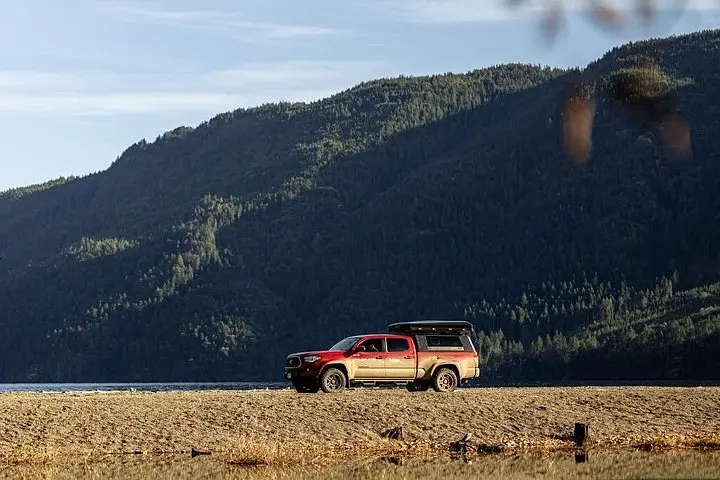
You leave Vancouver with salt spray still on the windshield and the Coast Mountains rising like a wall ahead. The Sea-to-Sky Highway climbs through mossy temperate rainforest, then opens to alpine passes, glacier-fed lakes and craggy ridgelines that demand a second look. Each night on this one-way route trades highway lights for a campfire under a darker sky.
Verified experiences and guided adventures in the surrounding area.
Operated by FarOut Wilderness · Vancouver, British Columbia
You leave Vancouver with salt spray still on the windshield and the Coast Mountains rising like a wall ahead. The Sea-to-Sky Highway climbs through mossy temperate rainforest, then opens to alpine passes, glacier-fed lakes and craggy ridgelines that demand a second look. Each night on this one-way route trades highway lights for a campfire under a darker sky.
Geology and human history show themselves quickly: fjord-cut valleys and U-shaped glacial bowls that feed turquoise lakes, and a corridor crossed for millennia by the people of many Indigenous nations. Towns like Squamish, Revelstoke and Golden grew where rivers and passes made travel possible; their culture today mixes outfitters, mountain guides and small-town service.
Expect variety: paved highways, paved scenic loops, and backroads that can turn to gravel and mud. Highlights include Yoho and Kootenay National Parks, the Columbia Icefield and the Icefields Parkway, plus lesser-known recreation sites and remote lakes ideal for paddleboarding and fishing. Wildlife is active—black bears, elk and mountain goats frequent valley bottoms and high meadows.
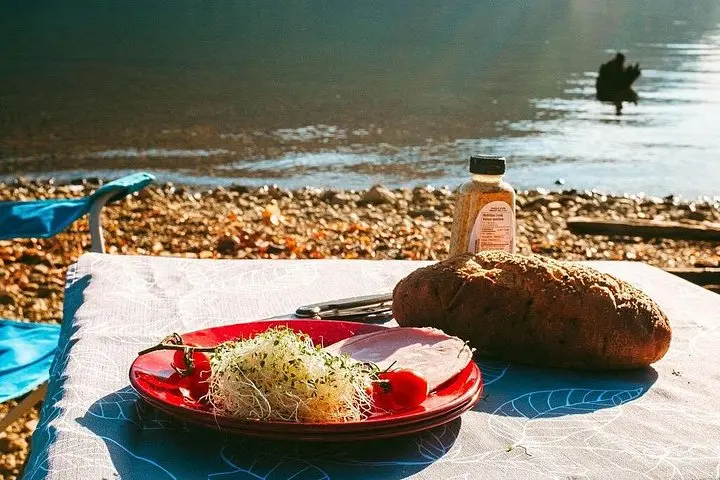
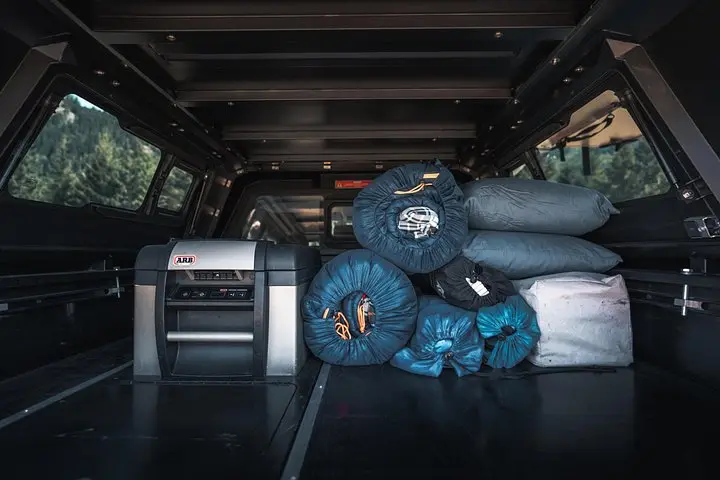
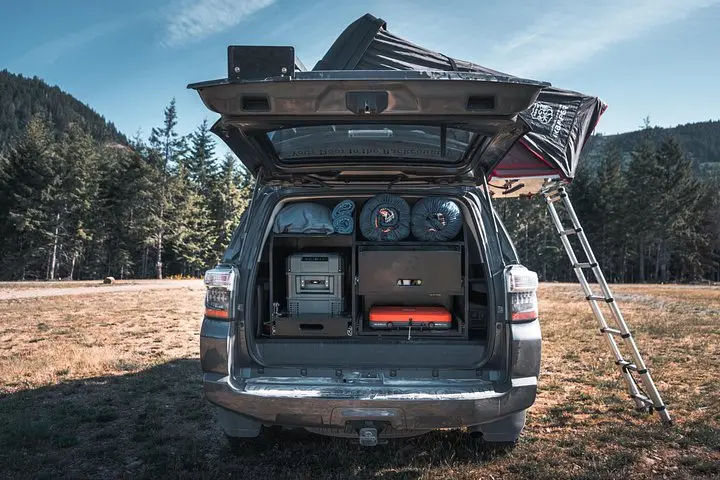
Practical guidance: plan on 1–14 days depending on how many detours you take; allow extra time for slow mountain driving. Carry spare fuel, a full-size spare tire, a robust map/GPS and a water filter; rooftop tents and compact camp kitchens make remote nights simple. Book any required park reservations early in summer, practice strict food storage for bears, and check road reports for seasonal closures. With careful planning this one-way drives rewards with expansive views, quiet backcountry camping and a clear sense of travel earned mile by mile.
Some national and provincial sites require reservations or permits—book high-demand campgrounds early in summer and check Parks Canada for specific regulations.
Basic overland driving experience helps on gravel or muddy logging roads; vehicle recovery skills and a full-size spare are recommended for remote sections.
Yes—many lakes and rivers allow non-motorized paddling and angling, but check provincial fishing regulations and licence requirements in advance.
Store food securely, make noise on trails to avoid surprise encounters, carry bear spray where advised, and follow local wildlife guidance.
FarOut Wilderness operates guided outdoor trips and adventures with an emphasis on safety, stewardship, and memorable experiences.
You leave Vancouver with salt spray still on the windshield and the Coast Mountains rising like a wall ahead. The Sea-to-Sky Highway climbs through mossy temperate rainforest, then opens to alpine passes, glacier-fed lakes and craggy ridgelines that demand a second look. Each night on this one-way route trades highway lights for a campfire under a darker sky.
You leave Vancouver with salt spray still on the windshield and the Coast Mountains rising like a wall ahead. The Sea-to-Sky Highway climbs through mossy temperate rainforest, then opens to alpine passes, glacier-fed lakes and craggy ridgelines that demand a second look. Each night on this one-way route trades highway lights for a campfire under a darker sky.
Geology and human history show themselves quickly: fjord-cut valleys and U-shaped glacial bowls that feed turquoise lakes, and a corridor crossed for millennia by the people of many Indigenous nations. Towns like Squamish, Revelstoke and Golden grew where rivers and passes made travel possible; their culture today mixes outfitters, mountain guides and small-town service.
Expect variety: paved highways, paved scenic loops, and backroads that can turn to gravel and mud. Highlights include Yoho and Kootenay National Parks, the Columbia Icefield and the Icefields Parkway, plus lesser-known recreation sites and remote lakes ideal for paddleboarding and fishing. Wildlife is active—black bears, elk and mountain goats frequent valley bottoms and high meadows.
Practical guidance: plan on 1–14 days depending on how many detours you take; allow extra time for slow mountain driving. Carry spare fuel, a full-size spare tire, a robust map/GPS and a water filter; rooftop tents and compact camp kitchens make remote nights simple. Book any required park reservations early in summer, practice strict food storage for bears, and check road reports for seasonal closures. With careful planning this one-way drives rewards with expansive views, quiet backcountry camping and a clear sense of travel earned mile by mile.