THE ADVENTURE COLLECTIVE® · Independent discovery and booking for outdoor travel

Drive one of the world’s most scenic peninsulas in a single day: Chapman’s Peak, Cape Point and the penguin colony at Boulders Beach. This full-day tour pairs dramatic coastal lookouts with short, accessible walks and local cultural stops.
Drive one of the world’s most scenic peninsulas in a single day: Chapman’s Peak, Cape Point and the penguin colony at Boulders Beach. This full-day tour pairs dramatic coastal lookouts with short, accessible walks and local cultural stops.
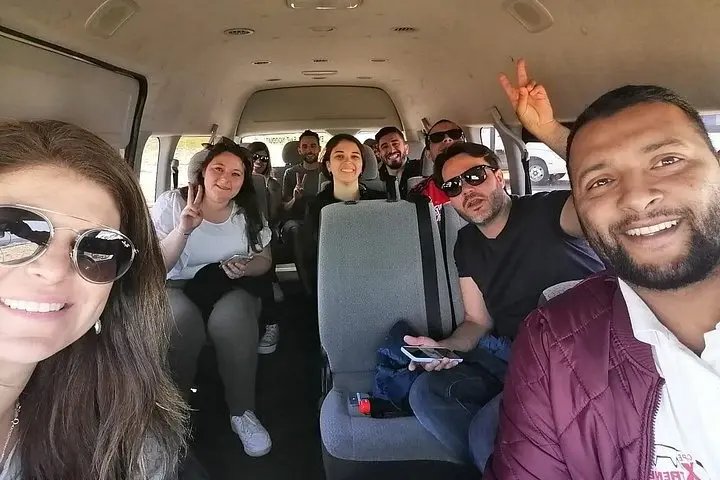
The minivan rounds the last bend of Chapman’s Peak Drive as the Atlantic stretches into a hard blue horizon. Wind fingers at your jacket and the road seems to dare you to look away — cliffs plunging, surf hurling itself against black rock, and the sharp silhouette of Cape Point rising ahead. By midmorning you’ll be standing on a boardwalk watching an awkward parade of African penguins shuffle across white sand while Cape Fur Seals bark from the rocks: an elemental introduction to the southwest tip of Africa.
Verified experiences and guided adventures in the surrounding area.
Operated by Cape Xtreme · Cape Town, Western Cape
The minivan rounds the last bend of Chapman’s Peak Drive as the Atlantic stretches into a hard blue horizon. Wind fingers at your jacket and the road seems to dare you to look away — cliffs plunging, surf hurling itself against black rock, and the sharp silhouette of Cape Point rising ahead. By midmorning you’ll be standing on a boardwalk watching an awkward parade of African penguins shuffle across white sand while Cape Fur Seals bark from the rocks: an elemental introduction to the southwest tip of Africa.
The Cape Peninsula is a collision of geology and history. Table Mountain — 1,085 meters above sea level — watches over the city, while the Cape of Good Hope and Cape Point are the last major headlands encountered by sailors rounding for Asia. Portuguese explorers in the 15th century transformed this coastline into a navigational milestone; later, fishing communities like Hout Bay and Kalk Bay kept the region tethered to the sea. Underfoot, fynbos scrub defines the landscape: a fire-adapted, botanical hotspot that gives the peninsula its distinctive scents and seasonal colors.
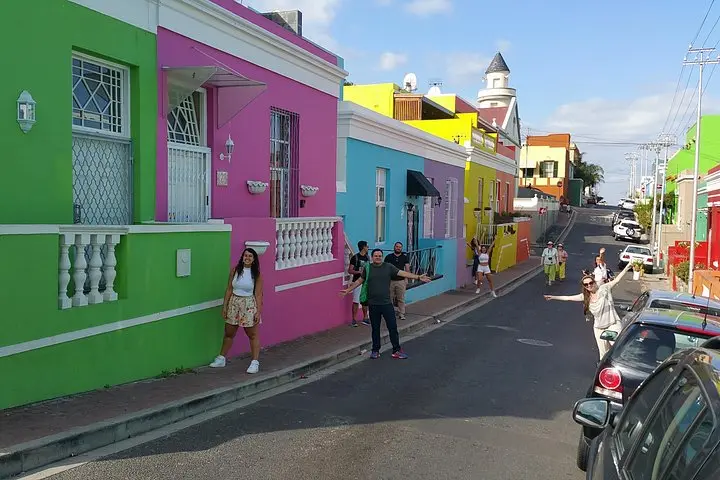
Culturally the route is as varied as its coastline. Camps Bay and Clifton bring beaches and cafés; Hout Bay and Kalk Bay still smell of fish and diesel, where small harbors and markets serve up daily catches. Constantia, on the peninsula’s eastern slopes, is one of the Southern Hemisphere’s oldest wine regions — a convenient stop for a tasting after a day outdoors.
Practically, the full-day tour runs about 8–9 hours with hotel pickup in Cape Town. Expect several short walks: the Cape Point section typically allows 60–90 minutes for the upper viewpoints and the old lighthouse — a ferry of stairs and rocky pathways that climb roughly 200 meters above sea level from the car park. Boulders Beach features an accessible boardwalk with minimal elevation gain. Chapman’s Peak and Boyes Drive are primarily photo stops with short viewpoints.
What to bring: layered clothing (wind and microclimates are real), sun protection, comfortable walking shoes, a water bottle and a camera with a decent zoom for wildlife shots. Respect wildlife: keep distance from penguins at Boulders, avoid feeding animals, and stay on boardwalks in fynbos areas.
Timing matters. Mornings often offer clearer air for ocean views; late afternoon light sharpens the cliffs for photography. If you want to explore more, allow extra time at Kalk Bay harbour for fresh seafood or swing through a Constantia wine estate on the return leg.
This is a coast-driven day: dramatic turns, accessible trails, and a concentrated lesson in Cape natural history that rewards both slow observation and wide-angle panoramas.
The Cape Point Nature Reserve has an entrance fee typically collected at the gate (included for some tour options); Boulders Beach has a small conservation/boardwalk fee if you want to enter the penguin boardwalk area.
Yes — pickup is offered across the City Bowl and many central hotels; exact pickup time is confirmed the day before the tour.
Generally yes — the tour is rated easy and involves short walks; children under 12 may have restrictions and those with mobility concerns should check specific walking sections beforehand.
Swimming is allowed at some beaches but cold; entering the penguin colony itself is restricted — visitors use boardwalks to view the birds for protection of the colony.
The tour may operate in light rain but could be rescheduled if conditions are severe; cancellation policy allows a refund if the operator cancels due to insufficient guests or unsafe conditions.
Yes — the itinerary includes a lunch stop at a historic fishing harbour (own expense), and there are cafés in Hout Bay, Kalk Bay and Constantia for additional options.
Cape Xtreme operates guided outdoor trips and adventures with an emphasis on safety, stewardship, and memorable experiences.
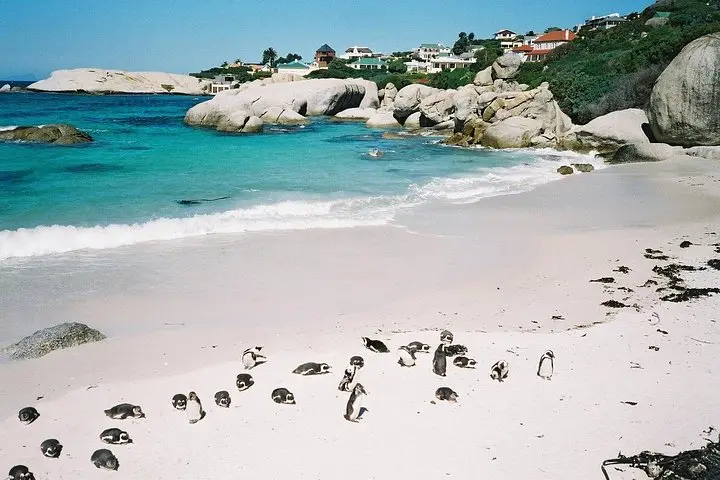
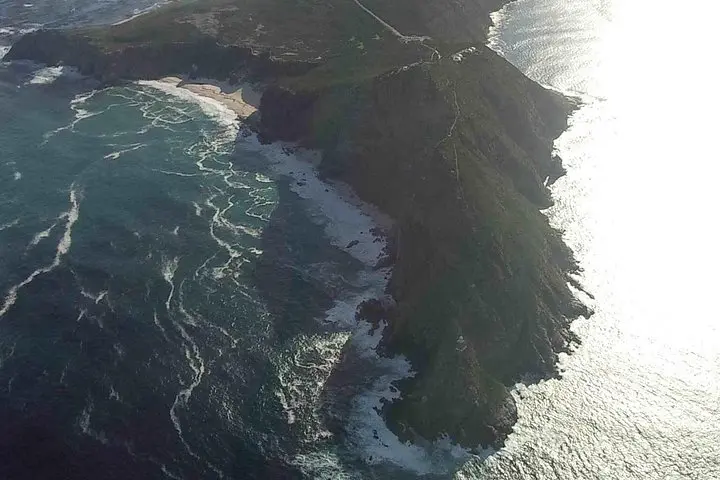
The minivan rounds the last bend of Chapman’s Peak Drive as the Atlantic stretches into a hard blue horizon. Wind fingers at your jacket and the road seems to dare you to look away — cliffs plunging, surf hurling itself against black rock, and the sharp silhouette of Cape Point rising ahead. By midmorning you’ll be standing on a boardwalk watching an awkward parade of African penguins shuffle across white sand while Cape Fur Seals bark from the rocks: an elemental introduction to the southwest tip of Africa.
The minivan rounds the last bend of Chapman’s Peak Drive as the Atlantic stretches into a hard blue horizon. Wind fingers at your jacket and the road seems to dare you to look away — cliffs plunging, surf hurling itself against black rock, and the sharp silhouette of Cape Point rising ahead. By midmorning you’ll be standing on a boardwalk watching an awkward parade of African penguins shuffle across white sand while Cape Fur Seals bark from the rocks: an elemental introduction to the southwest tip of Africa.
The Cape Peninsula is a collision of geology and history. Table Mountain — 1,085 meters above sea level — watches over the city, while the Cape of Good Hope and Cape Point are the last major headlands encountered by sailors rounding for Asia. Portuguese explorers in the 15th century transformed this coastline into a navigational milestone; later, fishing communities like Hout Bay and Kalk Bay kept the region tethered to the sea. Underfoot, fynbos scrub defines the landscape: a fire-adapted, botanical hotspot that gives the peninsula its distinctive scents and seasonal colors.
Culturally the route is as varied as its coastline. Camps Bay and Clifton bring beaches and cafés; Hout Bay and Kalk Bay still smell of fish and diesel, where small harbors and markets serve up daily catches. Constantia, on the peninsula’s eastern slopes, is one of the Southern Hemisphere’s oldest wine regions — a convenient stop for a tasting after a day outdoors.
Practically, the full-day tour runs about 8–9 hours with hotel pickup in Cape Town. Expect several short walks: the Cape Point section typically allows 60–90 minutes for the upper viewpoints and the old lighthouse — a ferry of stairs and rocky pathways that climb roughly 200 meters above sea level from the car park. Boulders Beach features an accessible boardwalk with minimal elevation gain. Chapman’s Peak and Boyes Drive are primarily photo stops with short viewpoints.
What to bring: layered clothing (wind and microclimates are real), sun protection, comfortable walking shoes, a water bottle and a camera with a decent zoom for wildlife shots. Respect wildlife: keep distance from penguins at Boulders, avoid feeding animals, and stay on boardwalks in fynbos areas.
Timing matters. Mornings often offer clearer air for ocean views; late afternoon light sharpens the cliffs for photography. If you want to explore more, allow extra time at Kalk Bay harbour for fresh seafood or swing through a Constantia wine estate on the return leg.
This is a coast-driven day: dramatic turns, accessible trails, and a concentrated lesson in Cape natural history that rewards both slow observation and wide-angle panoramas.