THE ADVENTURE COLLECTIVE® · Independent discovery and booking for outdoor travel

Only have a few hours in Hanoi? This private layover tour folds the city’s essentials—pagodas, colonial architecture, lakeside calm and market bustle—into a focused 6–7 hour loop with airport pickup and local food included.
Only have a few hours in Hanoi? This private layover tour folds the city’s essentials—pagodas, colonial architecture, lakeside calm and market bustle—into a focused 6–7 hour loop with airport pickup and local food included.
You step out of Noi Bai and the city greets you with a rush of motorbikes, incense smoke and lake-reflected light. A driver with your name waits; within minutes you’re skimming past West Lake where Tran Quoc Pagoda perches on its peninsula like a patient guardian. The tour moves at a purposeful pace—Ho Chi Minh’s austere marble mausoleum, the French colonial lines of the Presidential Palace, then the quiet, mirror-smooth surface of Hoan Kiem Lake and Ngoc Son Temple.
Verified experiences and guided adventures in the surrounding area.
Operated by Local Tours ASIA · Hanoi, Hanoi
You step out of Noi Bai and the city greets you with a rush of motorbikes, incense smoke and lake-reflected light. A driver with your name waits; within minutes you’re skimming past West Lake where Tran Quoc Pagoda perches on its peninsula like a patient guardian. The tour moves at a purposeful pace—Ho Chi Minh’s austere marble mausoleum, the French colonial lines of the Presidential Palace, then the quiet, mirror-smooth surface of Hoan Kiem Lake and Ngoc Son Temple.
Hanoi’s layers are visible at street level: traces of the Red River’s alluvial plain under the grid of the Old Quarter, French masonry beside wooden tube houses, temples that predate modern Vietnam. You’ll pass the ancient watch gate of O Quan Chuong and thread into Dong Xuan Market, where the city’s trade habits and everyday ingredients tell as much history as any plaque.
Culturally, this is a city of thresholds—pagodas that kept spiritual life, colonial institutions that shaped bureaucracy, and markets that sustained neighborhoods. Geology here is subtle: clay-rich soils of the delta have guided settlement and rice-based diets for centuries.
Practical guidance: plan for 6–7 hours, keep travel documents handy for mausoleum entry, and wear comfortable shoes—pavement and compact alleys demand grip more than style. Bring small currency for markets, modest clothing for temples, and schedule your layover to allow a buffer for return to the airport. Hydrate often: Hanoi’s humidity can catch even short visits off-guard. In six hours you won’t see everything, but you’ll leave with a clear map of the city’s character and a tasting of its daily life.
Yes—this tour includes pickup and drop-off; provide your flight details so the driver can meet you on arrival.
Yes—this private tour schedules a stop at a reputable local eatery or market tasting; dietary preferences can be accommodated if noted when booking.
Typically yes, but entry is subject to opening hours and occasional closures; bring ID and be prepared for security checks.
Yes—the tour is private and can be tailored in advance to emphasize history, architecture, or culinary stops within the allotted time.
Local Tours ASIA operates guided outdoor trips and adventures with an emphasis on safety, stewardship, and memorable experiences.
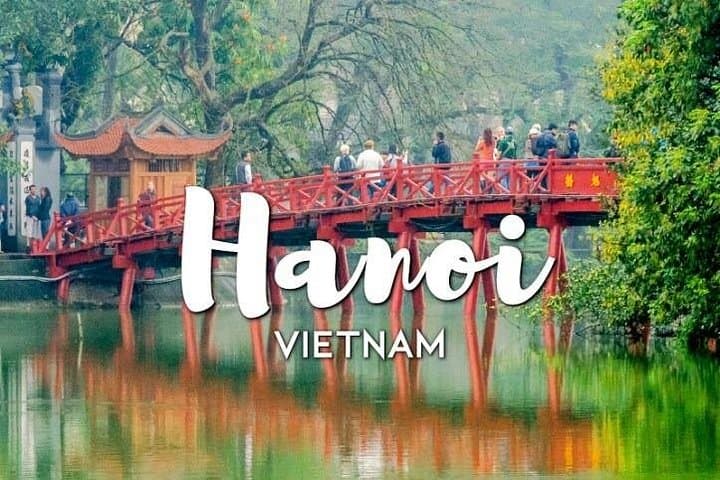
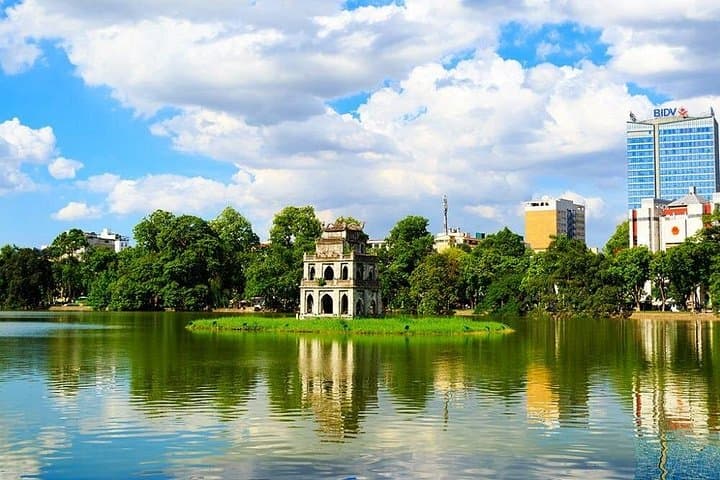
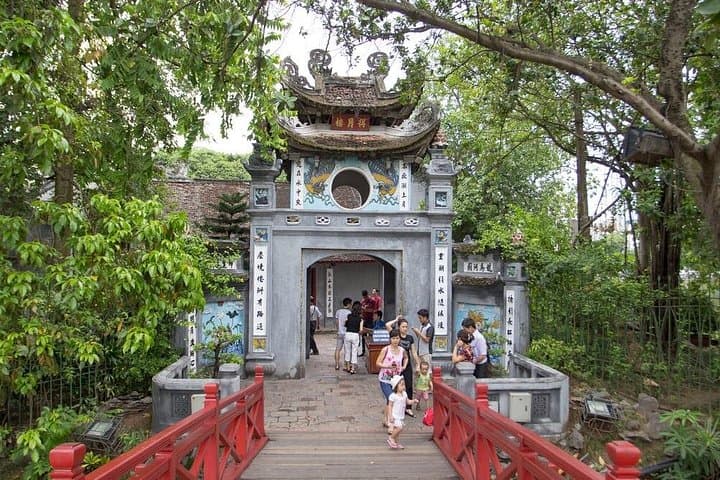
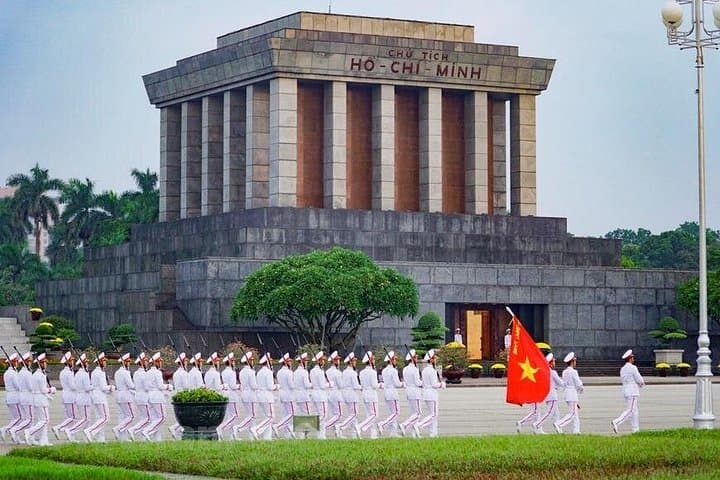
You step out of Noi Bai and the city greets you with a rush of motorbikes, incense smoke and lake-reflected light. A driver with your name waits; within minutes you’re skimming past West Lake where Tran Quoc Pagoda perches on its peninsula like a patient guardian. The tour moves at a purposeful pace—Ho Chi Minh’s austere marble mausoleum, the French colonial lines of the Presidential Palace, then the quiet, mirror-smooth surface of Hoan Kiem Lake and Ngoc Son Temple.
You step out of Noi Bai and the city greets you with a rush of motorbikes, incense smoke and lake-reflected light. A driver with your name waits; within minutes you’re skimming past West Lake where Tran Quoc Pagoda perches on its peninsula like a patient guardian. The tour moves at a purposeful pace—Ho Chi Minh’s austere marble mausoleum, the French colonial lines of the Presidential Palace, then the quiet, mirror-smooth surface of Hoan Kiem Lake and Ngoc Son Temple.
Hanoi’s layers are visible at street level: traces of the Red River’s alluvial plain under the grid of the Old Quarter, French masonry beside wooden tube houses, temples that predate modern Vietnam. You’ll pass the ancient watch gate of O Quan Chuong and thread into Dong Xuan Market, where the city’s trade habits and everyday ingredients tell as much history as any plaque.
Culturally, this is a city of thresholds—pagodas that kept spiritual life, colonial institutions that shaped bureaucracy, and markets that sustained neighborhoods. Geology here is subtle: clay-rich soils of the delta have guided settlement and rice-based diets for centuries.
Practical guidance: plan for 6–7 hours, keep travel documents handy for mausoleum entry, and wear comfortable shoes—pavement and compact alleys demand grip more than style. Bring small currency for markets, modest clothing for temples, and schedule your layover to allow a buffer for return to the airport. Hydrate often: Hanoi’s humidity can catch even short visits off-guard. In six hours you won’t see everything, but you’ll leave with a clear map of the city’s character and a tasting of its daily life.