THE ADVENTURE COLLECTIVE® · Independent discovery and booking for outdoor travel

This 5-day trek links the Lares valley’s living Andean communities with the final stretch of the Inca Trail to Machu Picchu. Expect high passes, thermal baths, camping at 3,750 m and a sunrise visit to the citadel.
This 5-day trek links the Lares valley’s living Andean communities with the final stretch of the Inca Trail to Machu Picchu. Expect high passes, thermal baths, camping at 3,750 m and a sunrise visit to the citadel.
Dawn breaks cold and clear in the Lares valley: steam curls from the hot springs, a herd of alpacas lifts its heads, and the trail ahead threads between moraine ridges and fields where Quechua farmers tend terraces.
Verified experiences and guided adventures in the surrounding area.
Operated by TreXperience · Cusco, Cusco Region
Dawn breaks cold and clear in the Lares valley: steam curls from the hot springs, a herd of alpacas lifts its heads, and the trail ahead threads between moraine ridges and fields where Quechua farmers tend terraces.
This itinerary pairs traditional Lares valley culture with the final stretch of the classic Inca Trail, moving from high Andean puna through cloud forest to the Sun Gate above Machu Picchu. Geology here reads like pages of uplift and glaciation — pale granite ridges, cirque lakes, and mineral-streaked slopes that feed the Urubamba. The communities you pass speak Quechua and keep subsistence rhythms: weaving, potato agriculture, and seasonal herding. Maras’ salt pans and the stonework of Ollantaytambo add human history to the landscape.
Expect two nights of camping (3750 m typical), a high pass near 4,700 m, and a final forested descent that meets the classic Inca path at km 104. Trails range from steep switchbacks and scree to grassy shoulders and stone staircases; rivers will push at the trail crossings in wet months. Guides handle logistics and porters carry camp gear; you carry a 7 kg duffel for personal items.
Practical edge: acclimatize in Cusco for 24–48 hours, pack layered insulation and a reliable rain shell, and plan on short daylight and muddy trails if you travel in the wet season. Water purification, sturdy boots, and pole-assisted descents will make the route far more comfortable. With proper preparation this trip combines cultural access, alpine exposure, and the climax of arriving at Machu Picchu twice — once from the Sun Gate, once from the citadel itself.
This route uses the shared Inca Trail section near km 104 and requires Machu Picchu entry; guides book site tickets and train reservations—book well in advance.
The Condor Pass day reaches about 4,700 m with 4–7 hours of uphill then descent; expect thin air and steep switchbacks—moderate to challenging fitness required.
Basic pit or composting toilets are available at some camps and village stops; hotel nights include standard facilities in Ollantaytambo and Aguas Calientes.
The dry season (May–Sep) offers clearer skies and firmer trails; the wet season (Dec–Mar) has lush forests but higher risk of mud and rain-related delays.
TreXperience operates guided outdoor trips and adventures with an emphasis on safety, stewardship, and memorable experiences.
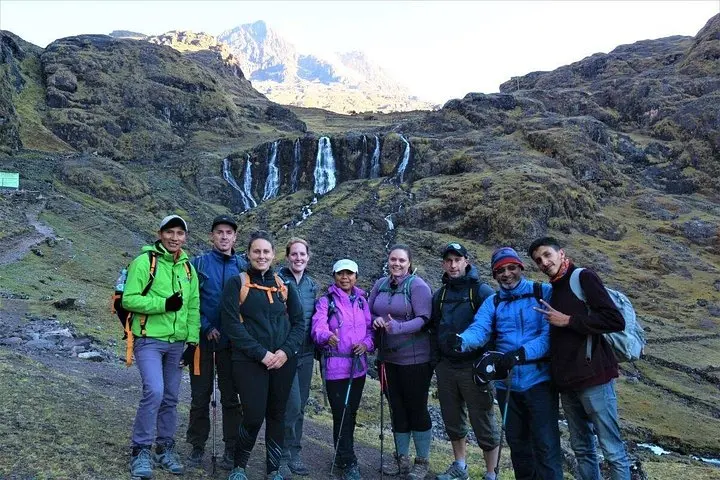
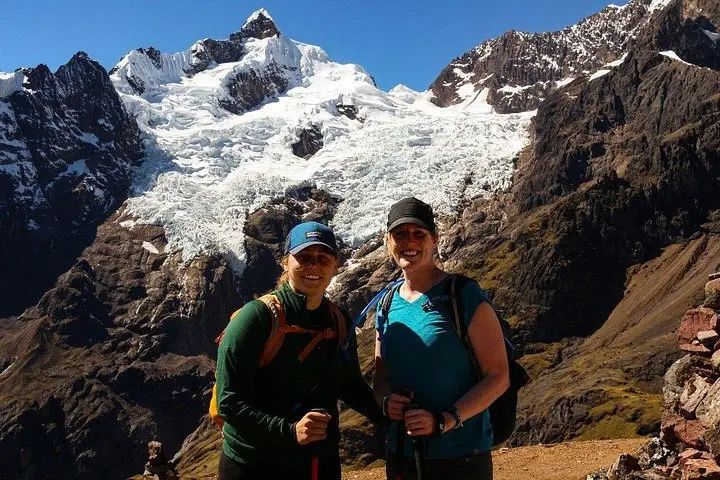
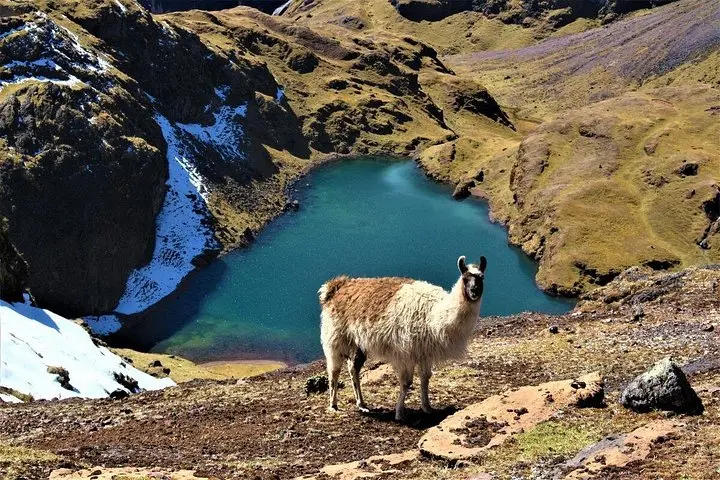
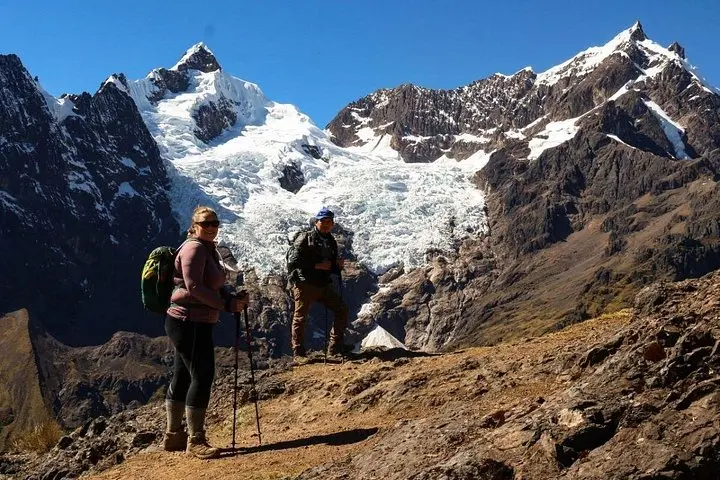
Dawn breaks cold and clear in the Lares valley: steam curls from the hot springs, a herd of alpacas lifts its heads, and the trail ahead threads between moraine ridges and fields where Quechua farmers tend terraces.
Dawn breaks cold and clear in the Lares valley: steam curls from the hot springs, a herd of alpacas lifts its heads, and the trail ahead threads between moraine ridges and fields where Quechua farmers tend terraces.
This itinerary pairs traditional Lares valley culture with the final stretch of the classic Inca Trail, moving from high Andean puna through cloud forest to the Sun Gate above Machu Picchu. Geology here reads like pages of uplift and glaciation — pale granite ridges, cirque lakes, and mineral-streaked slopes that feed the Urubamba. The communities you pass speak Quechua and keep subsistence rhythms: weaving, potato agriculture, and seasonal herding. Maras’ salt pans and the stonework of Ollantaytambo add human history to the landscape.
Expect two nights of camping (3750 m typical), a high pass near 4,700 m, and a final forested descent that meets the classic Inca path at km 104. Trails range from steep switchbacks and scree to grassy shoulders and stone staircases; rivers will push at the trail crossings in wet months. Guides handle logistics and porters carry camp gear; you carry a 7 kg duffel for personal items.
Practical edge: acclimatize in Cusco for 24–48 hours, pack layered insulation and a reliable rain shell, and plan on short daylight and muddy trails if you travel in the wet season. Water purification, sturdy boots, and pole-assisted descents will make the route far more comfortable. With proper preparation this trip combines cultural access, alpine exposure, and the climax of arriving at Machu Picchu twice — once from the Sun Gate, once from the citadel itself.