THE ADVENTURE COLLECTIVE® · Independent discovery and booking for outdoor travel

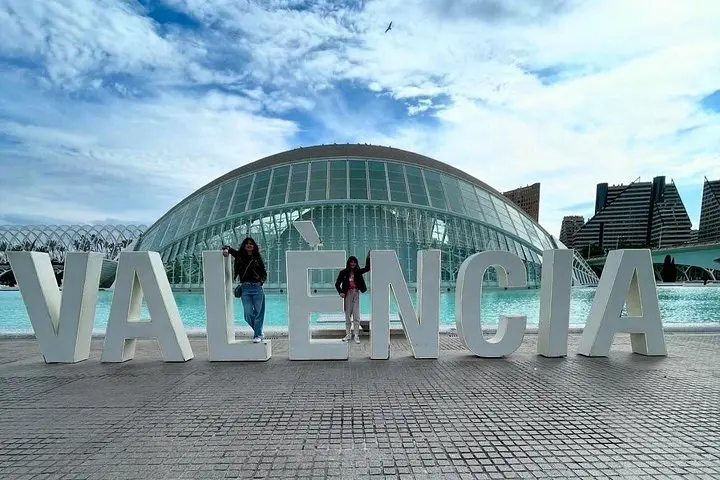
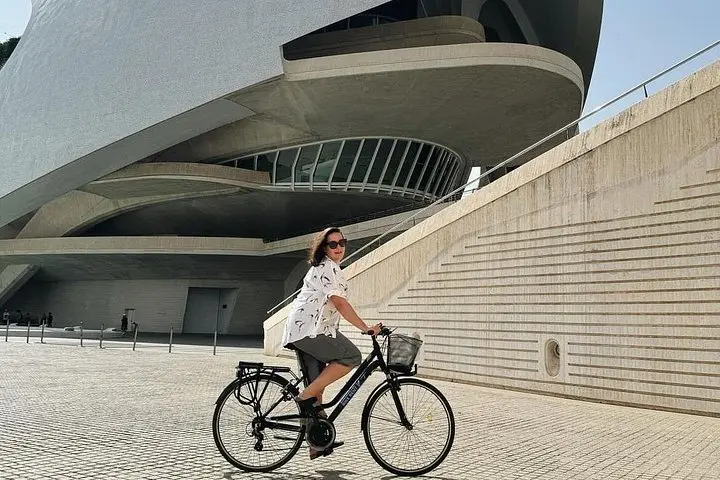
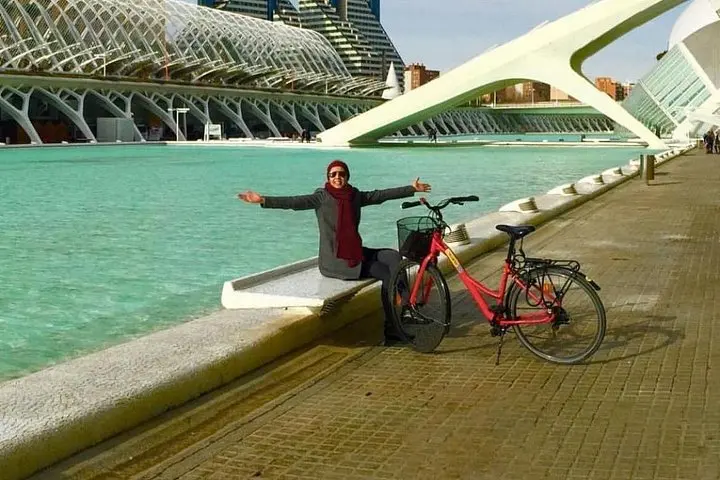
Cover Valencia’s top sights in three hours by bike—old town lanes, the Turia River park, the futuristic City of Arts and Sciences, and a seaside stretch along a 9‑km beach. Ideal for visitors short on time who want a local orientation with a relaxed pace.
Cover Valencia’s top sights in three hours by bike—old town lanes, the Turia River park, the futuristic City of Arts and Sciences, and a seaside stretch along a 9‑km beach. Ideal for visitors short on time who want a local orientation with a relaxed pace.
You start on two wheels in the heart of Valencia, pedaling out from a narrow stone lane where scooter bells and church bells share the rhythm. The guide steers you past gothic facades and Roman foundations, and the city opens like a map: plazas, cathedral spires, and tiles warmed by the Mediterranean sun.
Verified experiences and guided adventures in the surrounding area.
Operated by Yannat.com · Valencia, Valencia
You start on two wheels in the heart of Valencia, pedaling out from a narrow stone lane where scooter bells and church bells share the rhythm. The guide steers you past gothic facades and Roman foundations, and the city opens like a map: plazas, cathedral spires, and tiles warmed by the Mediterranean sun.
Valencia is layered—Roman grid, Moorish irrigation, and 19th‑century expansion—each era written in street names and building fronts. Geology matters here too: the Turia River once carved a shallow valley that became a green ribbon when the river was diverted after the 1957 flood. The City of Arts and Sciences sits on that old riverbed, its concrete shells and glass lenses offering sharp contrast to the centuries‑old old town.
Culture is tactile: mercados where citrus and horchata trade hands, fishermen in El Cabanyal, and Mojiganga puppets at festival time. That contrast—ancient lanes to futuristic architecture to broad sandy beaches—defines the ride.
Practical guidance: expect mostly paved city streets and long, flat promenades along the 9‑kilometer beach stretch. The pace is relaxed; stops at Plaza de la Virgen, the Cathedral, Turia Gardens and the City of Arts and Sciences break the ride into manageable sections. Bring a reusable water bottle, sun protection, and closed‑toe shoes. Helmets are provided, but basic bike handling is necessary for traffic and shared bike paths.
Three hours is efficient: it gives a clear sense of Valencia’s history, modern civic design, and coastal life without rushing. For first‑time visitors it’s an excellent orientation that leaves you ready to return and explore each district on foot.
The ride is rated easy—mostly flat with short city sections; basic bike handling and comfort on a city bike are enough.
Yes; children who can ride steadily on a bike are welcome, but check provider age limits and request child seats or adapted bikes if needed.
A private bike guide, helmet, bike, and personalized assistance from a local agent are included; check the operator for e‑bike availability.
Full refund available if cancelled at least 24 hours before departure; no refund within 24 hours of the tour.
Yannat.com operates guided outdoor trips and adventures with an emphasis on safety, stewardship, and memorable experiences.
You start on two wheels in the heart of Valencia, pedaling out from a narrow stone lane where scooter bells and church bells share the rhythm. The guide steers you past gothic facades and Roman foundations, and the city opens like a map: plazas, cathedral spires, and tiles warmed by the Mediterranean sun.
You start on two wheels in the heart of Valencia, pedaling out from a narrow stone lane where scooter bells and church bells share the rhythm. The guide steers you past gothic facades and Roman foundations, and the city opens like a map: plazas, cathedral spires, and tiles warmed by the Mediterranean sun.
Valencia is layered—Roman grid, Moorish irrigation, and 19th‑century expansion—each era written in street names and building fronts. Geology matters here too: the Turia River once carved a shallow valley that became a green ribbon when the river was diverted after the 1957 flood. The City of Arts and Sciences sits on that old riverbed, its concrete shells and glass lenses offering sharp contrast to the centuries‑old old town.
Culture is tactile: mercados where citrus and horchata trade hands, fishermen in El Cabanyal, and Mojiganga puppets at festival time. That contrast—ancient lanes to futuristic architecture to broad sandy beaches—defines the ride.
Practical guidance: expect mostly paved city streets and long, flat promenades along the 9‑kilometer beach stretch. The pace is relaxed; stops at Plaza de la Virgen, the Cathedral, Turia Gardens and the City of Arts and Sciences break the ride into manageable sections. Bring a reusable water bottle, sun protection, and closed‑toe shoes. Helmets are provided, but basic bike handling is necessary for traffic and shared bike paths.
Three hours is efficient: it gives a clear sense of Valencia’s history, modern civic design, and coastal life without rushing. For first‑time visitors it’s an excellent orientation that leaves you ready to return and explore each district on foot.