THE ADVENTURE COLLECTIVE® · Independent discovery and booking for outdoor travel

A three-day trek into the Uluguru Mountains combines steep cloud-forest hiking, a cool waterfall swim and nights camping with Luguru cultural activities. Expect long uphill sections, rustic campsites and close encounters with endemic forest life.
A three-day trek into the Uluguru Mountains combines steep cloud-forest hiking, a cool waterfall swim and nights camping with Luguru cultural activities. Expect long uphill sections, rustic campsites and close encounters with endemic forest life.
You step off the dusty road outside Morogoro and the forest swallows the heat; ferns brush your shins and a distant waterfall dares you closer. Daylight slices through steep ridges as the path angles up toward Choma village, where villagers keep crafts, stories and dance alive under the mountain’s shade.
Verified experiences and guided adventures in the surrounding area.
Operated by KURUMBIZI TOURS & SAFARIS · Morogoro, Morogoro Region
You step off the dusty road outside Morogoro and the forest swallows the heat; ferns brush your shins and a distant waterfall dares you closer. Daylight slices through steep ridges as the path angles up toward Choma village, where villagers keep crafts, stories and dance alive under the mountain’s shade.
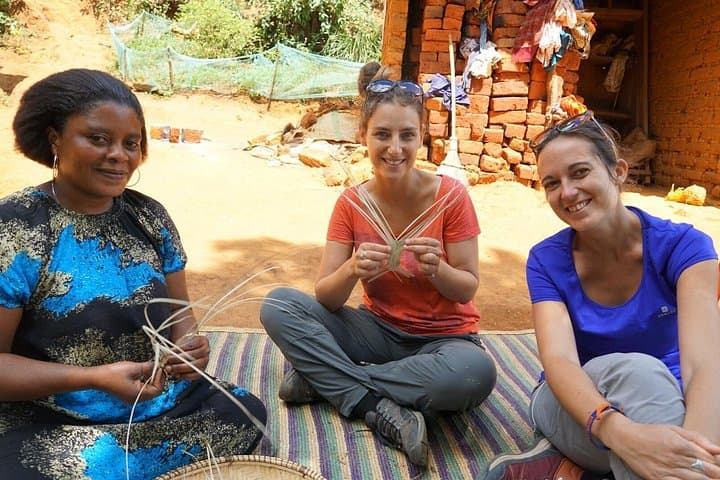
The Uluguru range—part of the Eastern Arc Mountains—rises to 2,638 m at its highest ridges and hosts cloud forest, waterfalls and endemic plants shaped by ancient geology and a humid coastal climate. The Luguru people have lived on these slopes for centuries; their pottery, straw weaving and evening dances are as much part of the route as switchbacks and streams. The area became a nature reserve in 2008 to protect its exceptional biodiversity and water catchments that feed Morogoro plains.
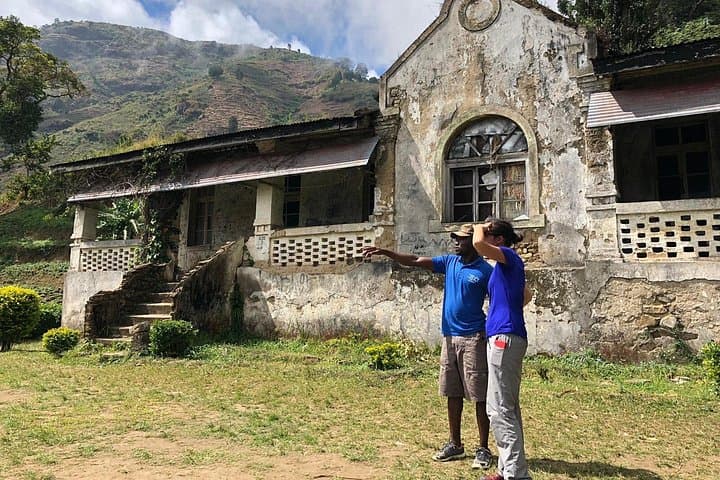
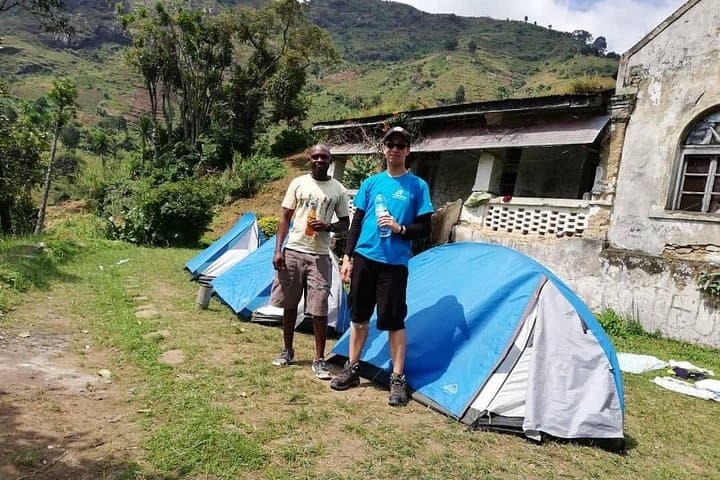
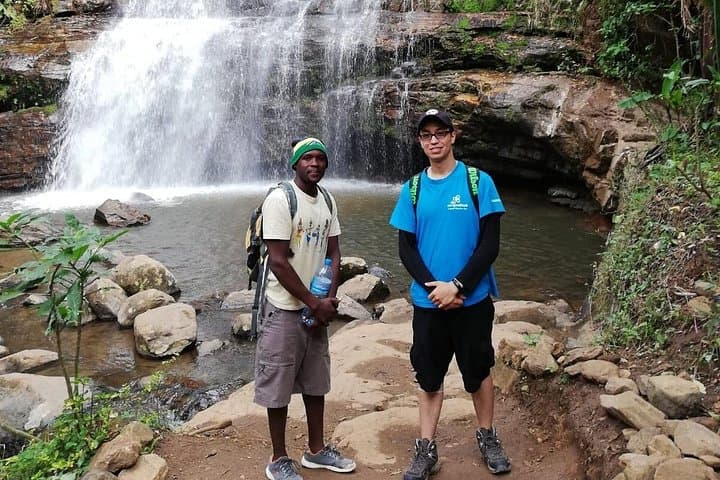
Practically: the itinerary is three days and two nights. Day 1 is a 2.5–3 hour walk from Morogoro to Choma waterfall, with a swim option and an evening of cultural activities at camp. Day 2 is a longer 5–6 hour return push to Bondwa Peak (~2,080 m) and camping at Morning Side (Old German settlement). Day 3 returns to Morogoro by foot. Expect steep, rooty trails, occasional slippery rock and significant elevation change—pack layers, a waterproof shell, and 2–3 L of water per day. Start early to avoid afternoon rain and allow time for cultural visits. Permits are included; this trip requires a high fitness level and isn’t recommended for those with serious back, heart, or pregnancy restrictions. Bring cash for small village purchases and a respectful attitude—the Luguru community welcomes visitors but values courtesy and consent when photographing or joining dances.
The Bondwa section is a sustained 5–6 hour round trip with steep, uneven trail and notable elevation gain—suitable for fit hikers comfortable with hill walking.
Yes — permits are included and the tour provides specified breakfasts, lunches and dinners during the itinerary.
Camping is in community campsites with basic setups; bring a warm sleeping bag and be prepared for rustic, shared facilities.
June–September offers the driest, clearest conditions for hiking; avoid the long rains (March–May) if you want firmer trails.
KURUMBIZI TOURS & SAFARIS operates guided outdoor trips and adventures with an emphasis on safety, stewardship, and memorable experiences.
You step off the dusty road outside Morogoro and the forest swallows the heat; ferns brush your shins and a distant waterfall dares you closer. Daylight slices through steep ridges as the path angles up toward Choma village, where villagers keep crafts, stories and dance alive under the mountain’s shade.
You step off the dusty road outside Morogoro and the forest swallows the heat; ferns brush your shins and a distant waterfall dares you closer. Daylight slices through steep ridges as the path angles up toward Choma village, where villagers keep crafts, stories and dance alive under the mountain’s shade.
The Uluguru range—part of the Eastern Arc Mountains—rises to 2,638 m at its highest ridges and hosts cloud forest, waterfalls and endemic plants shaped by ancient geology and a humid coastal climate. The Luguru people have lived on these slopes for centuries; their pottery, straw weaving and evening dances are as much part of the route as switchbacks and streams. The area became a nature reserve in 2008 to protect its exceptional biodiversity and water catchments that feed Morogoro plains.
Practically: the itinerary is three days and two nights. Day 1 is a 2.5–3 hour walk from Morogoro to Choma waterfall, with a swim option and an evening of cultural activities at camp. Day 2 is a longer 5–6 hour return push to Bondwa Peak (~2,080 m) and camping at Morning Side (Old German settlement). Day 3 returns to Morogoro by foot. Expect steep, rooty trails, occasional slippery rock and significant elevation change—pack layers, a waterproof shell, and 2–3 L of water per day. Start early to avoid afternoon rain and allow time for cultural visits. Permits are included; this trip requires a high fitness level and isn’t recommended for those with serious back, heart, or pregnancy restrictions. Bring cash for small village purchases and a respectful attitude—the Luguru community welcomes visitors but values courtesy and consent when photographing or joining dances.