
Uluru, Kata Tjuta & Kings Canyon 3-Day Camping Safari from Alice Springs
See Uluru at sunrise, hike among the domes of Kata Tjuta and walk the rim of Kings Canyon on a compact three-day camping safari from Alice Springs. Expert guides, permanent tented camps and cultural interpretation make this an efficient, immersive way to experience the Red Centre.
An Adventure In Alice Springs.
See Uluru at sunrise, hike among the domes of Kata Tjuta and walk the rim of Kings Canyon on a compact three-day camping safari from Alice Springs. Expert guides, permanent tented camps and cultural interpretation make this an efficient, immersive way to experience the Red Centre.
Read the full experience
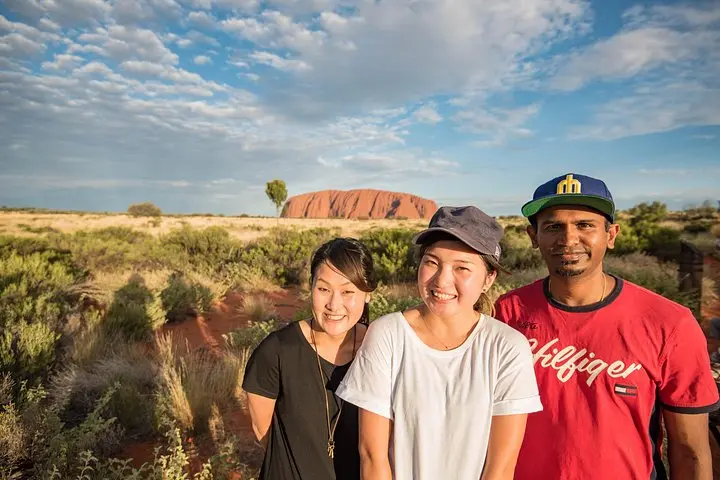
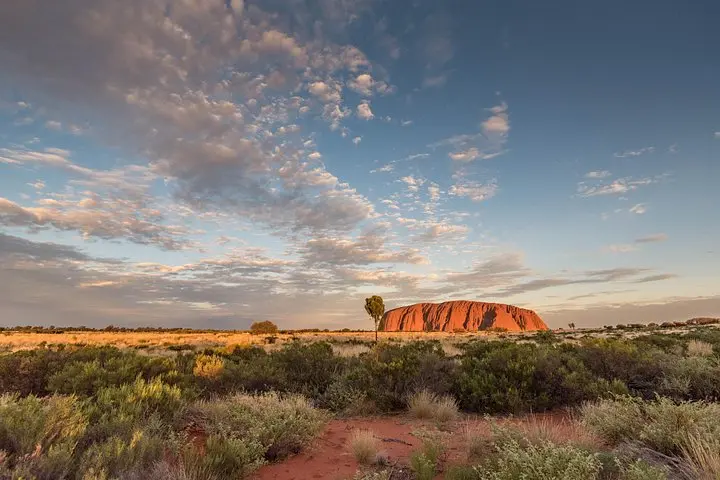
You wake before dawn, the bus idling under a sky scrubbed clean of light. The desert’s breath is cool and dry, and in the distance Uluru sits like a sleeping giant, patient and enormous. By the time the sun licks the rock’s face, the sandstone shifts through a choreography of ochre, rust and deep purple — colours that feel authored by the Earth rather than by anyone with a paintbrush. Around you, guides trade quiet facts and stories: this is Anangu country, and the land keeps its own memory.
You wake before dawn, the bus idling under a sky scrubbed clean of light. The desert’s breath is cool and dry, and in the distance Uluru sits like a sleeping giant, patient and enormous. By the time the sun licks the rock’s face, the sandstone shifts through a choreography of ochre, rust and deep purple — colours that feel authored by the Earth rather than by anyone with a paintbrush. Around you, guides trade quiet facts and stories: this is Anangu country, and the land keeps its own memory.
This three-day camping safari moves at the rhythm of the Red Centre: long drives across red earth from Alice Springs, a late-afternoon walk among the domes of Kata Tjuta (the Olgas), and two nights camping at purpose-built sites with proper twin-share tents. The itinerary is compact but purposeful: an Uluru sunrise and base walk (the full loop is about 10.6 km), a cultural interpretive walk with an Indigenous guide, time at the Uluru Cultural Centre, and a full Kings Canyon Rim Walk — roughly a 6 km loop that rewards the initial steep climb with views into the Garden of Eden and the Lost City.
Geology reads like ancient biography here. Uluru is a slab of arkose sandstone compressed and tilted over hundreds of millions of years; Kata Tjuta’s rounded domes are conglomerate rock, a different recipe of stones cemented together. Watarrka (Kings Canyon) cuts deep: sheer red walls hundreds of metres high, hidden waterholes and microclimates that shelter more than 600 plant species.
Practicalities matter out here. Expect long driving legs — Alice Springs to Uluru is roughly 450 km, about 4.5–5 hours — and early starts: pickups typically before sunrise. Tents at Yulara and the Kings Canyon campsite are comfortable with fans and shared facilities, but temperatures swing wildly; bring layers for cool nights. Guides carry Aboriginal cultural knowledge and will advise on sensitive sites; note that climbing Uluru is permanently closed out of respect for Anangu wishes and park regulations.
Prepare for dry heat and long walks: sun protection, a 2–3 litre water capacity, and sturdy footwear make the trip manageable rather than miserable. The Kings Canyon Rim can feel exposed — steady footing matters, and the climb is deceptively energetic. Nights are for star-gazing; in the absence of light pollution the Milky Way feels like an overhead river.
This safari is a concentrated introduction to the Red Centre’s major landmarks, aimed at travelers who want maximum perspective with minimal fuss. It’s part natural history primer, part cultural exchange, and all of it shaped by the scale of the landscape: patient, relentless, and quietly exacting. Follow the practical advice, travel with curiosity, and you’ll leave with desert dust in your shoes and a clearer sense of why this place holds meaning beyond its photo ops.
Frequently asked questions
No. Climbing Uluru has been permanently closed; the tour focuses on respectful cultural interpretation and base walks.
The Rim Walk is about 6 km and typically takes 3–4 hours; it begins with a steep climb and requires sure footing and moderate fitness.
Yes. A park entry fee is required; the tour operator usually handles entry on your behalf as part of the booking.
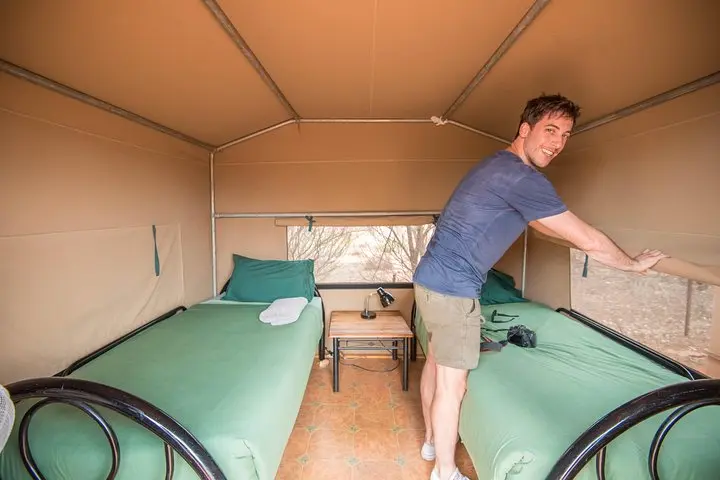
Permanent twin-share tents with beds, linen, lighting and fans are provided at Yulara and the Kings Canyon campsite; facilities are shared.
Pickups run early—generally between 5:45 and 6:30 am; an exact pickup window is confirmed at booking.
The trip can suit older children with stamina, but the hikes and long drives make it unsuitable for infants and travelers with significant mobility limitations.
About This Experience
Adventure Tours Australia operates guided outdoor trips and adventures with an emphasis on safety, stewardship, and memorable experiences.
Adventure tips
Recommended gear
- Sturdy hiking boots: Grippy, supportive footwear for uneven sandstone and canyon paths.
- 2–3 litre hydration system or water bottles: Maintain steady fluid intake in the arid climate; water stations are limited between stops.
- Sun hat and high-SPF sunscreen: Crucial for long exposed walks and midday driving breaks.
- Warm insulated layer: Desert nights can drop sharply; a light puffer keeps you comfortable at camp.
Photos of the experience
Related adventures & guides
Read the full experience
You wake before dawn, the bus idling under a sky scrubbed clean of light. The desert’s breath is cool and dry, and in the distance Uluru sits like a sleeping giant, patient and enormous. By the time the sun licks the rock’s face, the sandstone shifts through a choreography of ochre, rust and deep purple — colours that feel authored by the Earth rather than by anyone with a paintbrush. Around you, guides trade quiet facts and stories: this is Anangu country, and the land keeps its own memory.
You wake before dawn, the bus idling under a sky scrubbed clean of light. The desert’s breath is cool and dry, and in the distance Uluru sits like a sleeping giant, patient and enormous. By the time the sun licks the rock’s face, the sandstone shifts through a choreography of ochre, rust and deep purple — colours that feel authored by the Earth rather than by anyone with a paintbrush. Around you, guides trade quiet facts and stories: this is Anangu country, and the land keeps its own memory.
This three-day camping safari moves at the rhythm of the Red Centre: long drives across red earth from Alice Springs, a late-afternoon walk among the domes of Kata Tjuta (the Olgas), and two nights camping at purpose-built sites with proper twin-share tents. The itinerary is compact but purposeful: an Uluru sunrise and base walk (the full loop is about 10.6 km), a cultural interpretive walk with an Indigenous guide, time at the Uluru Cultural Centre, and a full Kings Canyon Rim Walk — roughly a 6 km loop that rewards the initial steep climb with views into the Garden of Eden and the Lost City.
Geology reads like ancient biography here. Uluru is a slab of arkose sandstone compressed and tilted over hundreds of millions of years; Kata Tjuta’s rounded domes are conglomerate rock, a different recipe of stones cemented together. Watarrka (Kings Canyon) cuts deep: sheer red walls hundreds of metres high, hidden waterholes and microclimates that shelter more than 600 plant species.
Practicalities matter out here. Expect long driving legs — Alice Springs to Uluru is roughly 450 km, about 4.5–5 hours — and early starts: pickups typically before sunrise. Tents at Yulara and the Kings Canyon campsite are comfortable with fans and shared facilities, but temperatures swing wildly; bring layers for cool nights. Guides carry Aboriginal cultural knowledge and will advise on sensitive sites; note that climbing Uluru is permanently closed out of respect for Anangu wishes and park regulations.
Prepare for dry heat and long walks: sun protection, a 2–3 litre water capacity, and sturdy footwear make the trip manageable rather than miserable. The Kings Canyon Rim can feel exposed — steady footing matters, and the climb is deceptively energetic. Nights are for star-gazing; in the absence of light pollution the Milky Way feels like an overhead river.
This safari is a concentrated introduction to the Red Centre’s major landmarks, aimed at travelers who want maximum perspective with minimal fuss. It’s part natural history primer, part cultural exchange, and all of it shaped by the scale of the landscape: patient, relentless, and quietly exacting. Follow the practical advice, travel with curiosity, and you’ll leave with desert dust in your shoes and a clearer sense of why this place holds meaning beyond its photo ops.
Make a day of it nearby.
Verified experiences and guided adventures in the surrounding area.