THE ADVENTURE COLLECTIVE® · Independent discovery and booking for outdoor travel

Spend an afternoon on Bali’s Bukit Peninsula visiting Balangan Beach, the cliff-top Uluwatu Temple and the hypnotic Kecak fire-and-chant performance at sunset. This private half-day tour pairs dramatic coastal geology with living Balinese ritual—perfect for a compact cultural evening.
Spend an afternoon on Bali’s Bukit Peninsula visiting Balangan Beach, the cliff-top Uluwatu Temple and the hypnotic Kecak fire-and-chant performance at sunset. This private half-day tour pairs dramatic coastal geology with living Balinese ritual—perfect for a compact cultural evening.
The afternoon leans toward gold as a private car eases out of Seminyak traffic and the Bukit Peninsula opens like a page of cliff-carved coastline. By the time the vehicle drops you at Balangan Beach, the surf is a long-scarred ribbon of blue and the cliffs stand mute and salt-polished. Walking the short path from the parking area, the ocean pulls attention—surfers riding left-hand breaks, fishing boats rocking in the swell, and low cliffs catching light like a rim of bronze.
Verified experiences and guided adventures in the surrounding area.
Operated by ForeverVacation Bali · Uluwatu, Bali
The afternoon leans toward gold as a private car eases out of Seminyak traffic and the Bukit Peninsula opens like a page of cliff-carved coastline. By the time the vehicle drops you at Balangan Beach, the surf is a long-scarred ribbon of blue and the cliffs stand mute and salt-polished. Walking the short path from the parking area, the ocean pulls attention—surfers riding left-hand breaks, fishing boats rocking in the swell, and low cliffs catching light like a rim of bronze.
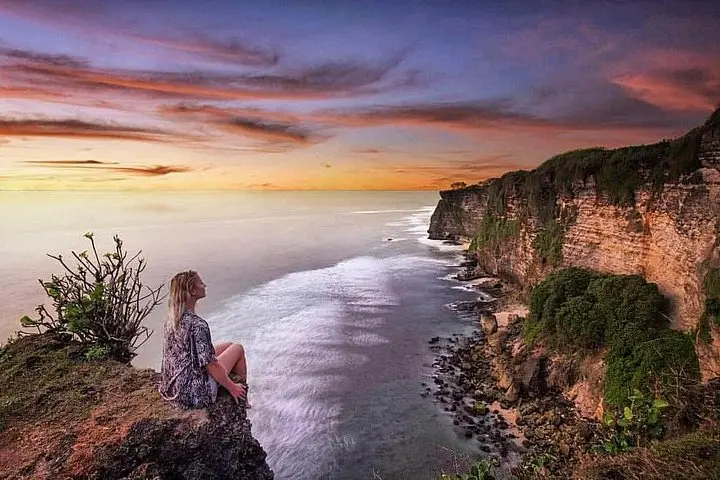
This half-day route stitches together three of Bali’s signature scenes: Balangan’s reef-sculpted bay, Pura Luhur Uluwatu (the cliff-top temple), and the Kecak dance as the sun slides down behind the temple walls. Uluwatu Temple sits roughly 70 meters above the Indian Ocean on limestone that rose from coral reefs and uplifted terraces—geology as dramatic as the culture. The temple is one of Bali’s six directional temples, historically placed to guard the island’s spiritual edges, and its cliffside location has long made it a site for offerings, sea rituals, and gatherings at dusk.
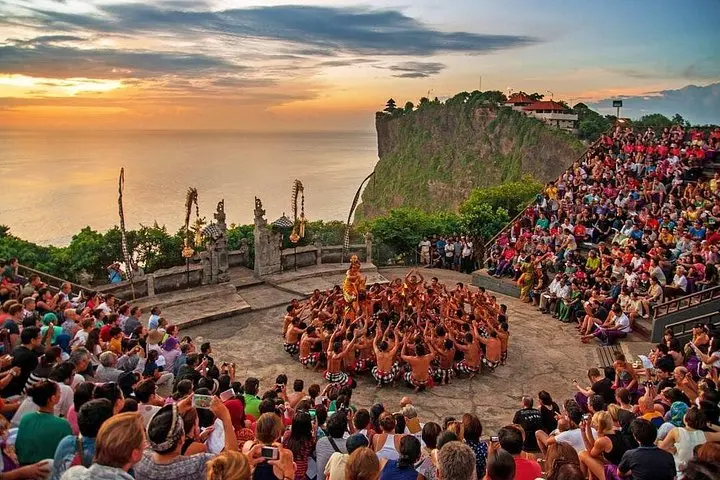
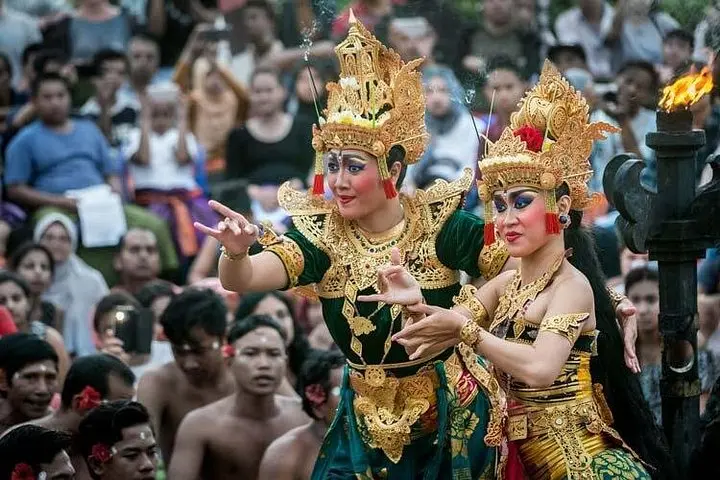
The Kecak dance, created in the early 20th century and popularized for audiences, uses the Ramayana narrative and a human chorus of chanting men to set rhythm and drama—no gamelan, no orchestra, only voices and the flicker of occasional fire effects. The performance’s power is as much visual as it is sonic: a ring of chanting human percussion holding the audience in a slow-building trance until the story reaches its small, theatrical peaks.
Culturally, the Bukit area blends traditional temple life with surf culture. Locals operate warungs (small eateries) and souvenir stalls near the temple; respectful behavior and modest dress are required in temple precincts. Conservation-wise, visitor numbers at Uluwatu have led to managed pathways and rules around offerings and waste; guests are asked to avoid feeding wildlife and to stay on marked trails to prevent erosion of the fragile cliff edges.
Practical guidance: plan on a late-afternoon pickup; travel time varies by starting point (Seminyak to Uluwatu is about 45–60 minutes). Wear comfortable shoes for short cliff pathways and a light scarf or sarong for temple entry—many operators provide sarongs but it's wise to bring one. Carry a sunhat, reef-safe sunscreen and a small bottle of water; evenings are cooler but still balmy. Watch your belongings around the temple—the long-tailed macaques are opportunistic. The performance is outdoors and best photographed at golden hour; arrive early to secure good seating and expect busy crowds in high season.
For travelers who want a compact cultural and coastal snapshot of southern Bali, this private half-day tour delivers cinematic sunsets, ocean breezes, and an intimate window into Balinese theatrical tradition.
Yes—private pickup from hotels in Seminyak, Canggu, Ubud, Uluwatu, Jimbaran and Nusa Dua is included; locations outside main pickup zones may incur an extra fee.
You should bring a sarong or scarf for temple entry; many operators lend sarongs but bringing your own ensures a seamless visit.
Yes—children are welcome but seating and the performance setting are outdoors on uneven surfaces; keep children close due to steep cliff edges.
The tour involves steps and uneven ground at Balangan and Uluwatu; it may not be suitable for people with limited mobility—contact the operator to discuss options.
The tour may be rescheduled or canceled in heavy rain for safety; check the operator’s 24-hour cancellation policy for refunds if weather causes cancellation.
Yes—this private tour includes temple entrance and the Kecak dance ticket, plus bottled water and an English-speaking driver-guide.
ForeverVacation Bali operates guided outdoor trips and adventures with an emphasis on safety, stewardship, and memorable experiences.
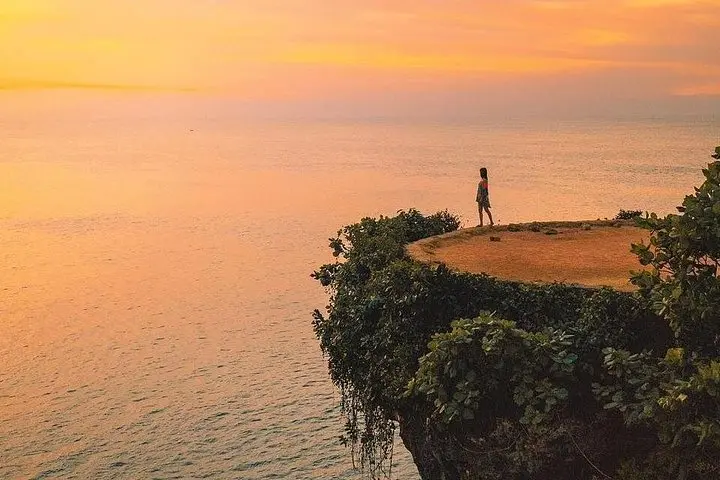
The afternoon leans toward gold as a private car eases out of Seminyak traffic and the Bukit Peninsula opens like a page of cliff-carved coastline. By the time the vehicle drops you at Balangan Beach, the surf is a long-scarred ribbon of blue and the cliffs stand mute and salt-polished. Walking the short path from the parking area, the ocean pulls attention—surfers riding left-hand breaks, fishing boats rocking in the swell, and low cliffs catching light like a rim of bronze.
The afternoon leans toward gold as a private car eases out of Seminyak traffic and the Bukit Peninsula opens like a page of cliff-carved coastline. By the time the vehicle drops you at Balangan Beach, the surf is a long-scarred ribbon of blue and the cliffs stand mute and salt-polished. Walking the short path from the parking area, the ocean pulls attention—surfers riding left-hand breaks, fishing boats rocking in the swell, and low cliffs catching light like a rim of bronze.
This half-day route stitches together three of Bali’s signature scenes: Balangan’s reef-sculpted bay, Pura Luhur Uluwatu (the cliff-top temple), and the Kecak dance as the sun slides down behind the temple walls. Uluwatu Temple sits roughly 70 meters above the Indian Ocean on limestone that rose from coral reefs and uplifted terraces—geology as dramatic as the culture. The temple is one of Bali’s six directional temples, historically placed to guard the island’s spiritual edges, and its cliffside location has long made it a site for offerings, sea rituals, and gatherings at dusk.
The Kecak dance, created in the early 20th century and popularized for audiences, uses the Ramayana narrative and a human chorus of chanting men to set rhythm and drama—no gamelan, no orchestra, only voices and the flicker of occasional fire effects. The performance’s power is as much visual as it is sonic: a ring of chanting human percussion holding the audience in a slow-building trance until the story reaches its small, theatrical peaks.
Culturally, the Bukit area blends traditional temple life with surf culture. Locals operate warungs (small eateries) and souvenir stalls near the temple; respectful behavior and modest dress are required in temple precincts. Conservation-wise, visitor numbers at Uluwatu have led to managed pathways and rules around offerings and waste; guests are asked to avoid feeding wildlife and to stay on marked trails to prevent erosion of the fragile cliff edges.
Practical guidance: plan on a late-afternoon pickup; travel time varies by starting point (Seminyak to Uluwatu is about 45–60 minutes). Wear comfortable shoes for short cliff pathways and a light scarf or sarong for temple entry—many operators provide sarongs but it's wise to bring one. Carry a sunhat, reef-safe sunscreen and a small bottle of water; evenings are cooler but still balmy. Watch your belongings around the temple—the long-tailed macaques are opportunistic. The performance is outdoors and best photographed at golden hour; arrive early to secure good seating and expect busy crowds in high season.
For travelers who want a compact cultural and coastal snapshot of southern Bali, this private half-day tour delivers cinematic sunsets, ocean breezes, and an intimate window into Balinese theatrical tradition.