THE ADVENTURE COLLECTIVE® · Independent discovery and booking for outdoor travel

Watch the sun slip behind cliffs at Uluwatu, take in a Kecak dance option, then dine on Jimbaran’s famed seafood beaches. This private half-day tour is a compact, culture-rich evening on Bali’s southern coast.
Watch the sun slip behind cliffs at Uluwatu, take in a Kecak dance option, then dine on Jimbaran’s famed seafood beaches. This private half-day tour is a compact, culture-rich evening on Bali’s southern coast.
The road drops toward the Indian Ocean and the cliff takes over: wind-steeled grasses, fractured coral rock, and the distant roar of surf that seems to measure time itself. Arriving at Uluwatu Temple in late afternoon places you on the lip of the island, where Hindu shrines crouch at cliff-edge and the sea stretches to the horizon like a moving, restless mirror.
Verified experiences and guided adventures in the surrounding area.
Operated by Bali Magic Tour · Uluwatu, Bali
The road drops toward the Indian Ocean and the cliff takes over: wind-steeled grasses, fractured coral rock, and the distant roar of surf that seems to measure time itself. Arriving at Uluwatu Temple in late afternoon places you on the lip of the island, where Hindu shrines crouch at cliff-edge and the sea stretches to the horizon like a moving, restless mirror.
Uluwatu (Pura Luhur Uluwatu) is one of Bali’s ancient sea temples, a religious site with origins in classical Balinese Hindu practice and a history tied to maritime ritual and coastal guardianship. Geologically the headland is uplifted reef limestone—sharp, layered rock cut by waves—so views are framed by rugged outcrops and small caves below. Culturally, the temple is a venue for the Kecak fire-and-chant dance after sunset; the performance is optional but dramatic, spotlighting Balinese vocal choreography against the dusk.
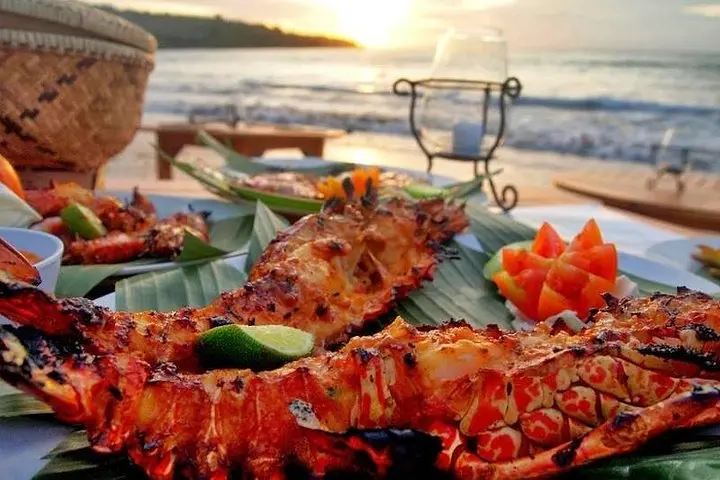
Practical rhythm: private transport collects mid-afternoon, you’ll explore the temple complex with a guide or driver, then descend toward Jimbaran Bay for a casual two-hour evening. Jimbaran’s waterfront offers open-air seafood grills and low-slung tables right on sand—best enjoyed at sunset when the light softens and fishing boats pull silhouettes on the water.
Expect brief walks, many stairs, and close-up encounters with temple macaques—keep valuables secure. Bring modest clothing for temple entry, sun protection, and a light jacket for sea breezes. Timing the visit for late afternoon minimizes heat and aligns the day’s architecture, ritual, and dinner into one efficient, sensory-packed half day.
No—the Kecak fire dance is optional and generally requires a separate ticket (around IDR 150,000 per person).
Visitors may enter designated areas; some inner shrines are restricted to worshippers and require modest dress and respectful behavior.
Yes—Uluwatu sits on a cliff with stairs and uneven limestone surfaces; comfortable shoes and basic mobility are advised.
Dinner is usually at your own expense, though the itinerary often allows time for a BBQ seafood meal at Jimbaran Bay.
Bali Magic Tour operates guided outdoor trips and adventures with an emphasis on safety, stewardship, and memorable experiences.
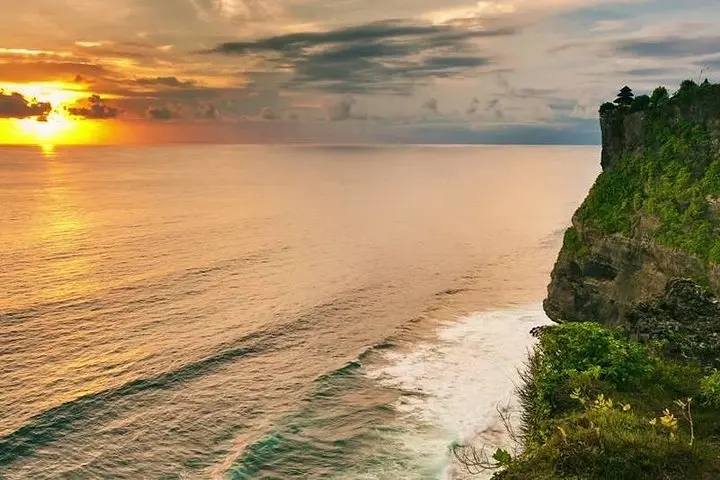

The road drops toward the Indian Ocean and the cliff takes over: wind-steeled grasses, fractured coral rock, and the distant roar of surf that seems to measure time itself. Arriving at Uluwatu Temple in late afternoon places you on the lip of the island, where Hindu shrines crouch at cliff-edge and the sea stretches to the horizon like a moving, restless mirror.
The road drops toward the Indian Ocean and the cliff takes over: wind-steeled grasses, fractured coral rock, and the distant roar of surf that seems to measure time itself. Arriving at Uluwatu Temple in late afternoon places you on the lip of the island, where Hindu shrines crouch at cliff-edge and the sea stretches to the horizon like a moving, restless mirror.
Uluwatu (Pura Luhur Uluwatu) is one of Bali’s ancient sea temples, a religious site with origins in classical Balinese Hindu practice and a history tied to maritime ritual and coastal guardianship. Geologically the headland is uplifted reef limestone—sharp, layered rock cut by waves—so views are framed by rugged outcrops and small caves below. Culturally, the temple is a venue for the Kecak fire-and-chant dance after sunset; the performance is optional but dramatic, spotlighting Balinese vocal choreography against the dusk.
Practical rhythm: private transport collects mid-afternoon, you’ll explore the temple complex with a guide or driver, then descend toward Jimbaran Bay for a casual two-hour evening. Jimbaran’s waterfront offers open-air seafood grills and low-slung tables right on sand—best enjoyed at sunset when the light softens and fishing boats pull silhouettes on the water.
Expect brief walks, many stairs, and close-up encounters with temple macaques—keep valuables secure. Bring modest clothing for temple entry, sun protection, and a light jacket for sea breezes. Timing the visit for late afternoon minimizes heat and aligns the day’s architecture, ritual, and dinner into one efficient, sensory-packed half day.