THE ADVENTURE COLLECTIVE® · Independent discovery and booking for outdoor travel

Watch the sun drop behind Uluwatu’s cliff-top temple, feel the percussive pulse of a Kecak fire dance, then dine on Jimbaran’s sand-side seafood—this private evening pairs natural drama with living Balinese culture. Read on for what to expect and how to plan.
Watch the sun drop behind Uluwatu’s cliff-top temple, feel the percussive pulse of a Kecak fire dance, then dine on Jimbaran’s sand-side seafood—this private evening pairs natural drama with living Balinese culture. Read on for what to expect and how to plan.
You arrive as the ocean lifts its light, the cliff at Uluwatu crouching like a watchful guardian above the Indian Ocean. Wind pushes across the promontory, salt and smoke from small fires tangling in your hair; below, waves dare the rock and gulls wheel on the thermals. The platform at the temple offers a clear line to the sinking sun—an 11th-century silhouette against a widening band of orange.
Verified experiences and guided adventures in the surrounding area.
Operated by Bali Golden Tour · Uluwatu, Bali
You arrive as the ocean lifts its light, the cliff at Uluwatu crouching like a watchful guardian above the Indian Ocean. Wind pushes across the promontory, salt and smoke from small fires tangling in your hair; below, waves dare the rock and gulls wheel on the thermals. The platform at the temple offers a clear line to the sinking sun—an 11th-century silhouette against a widening band of orange.
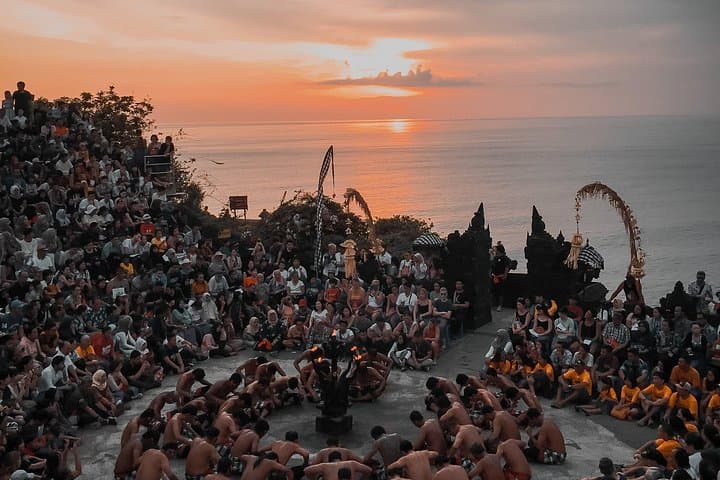
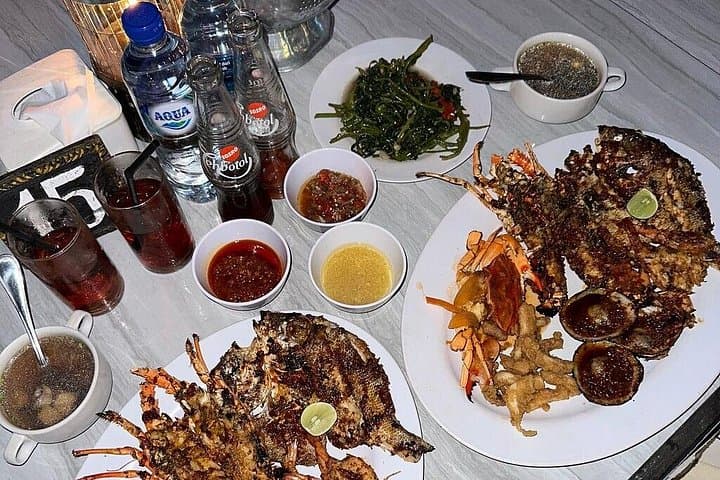
Uluwatu (Pura Luhur Uluwatu) is one of Bali’s six directional temples and sits roughly 70 meters above sea level, built where volcanic limestone meets ocean. The surrounding forest is small but noisy, home to long-tailed macaques that have long been woven into local stories of protection and mischief. The evening program pairs that cliff-top scene with the Kecak: a vocal, percussive dramatic form developed in the early 20th century that retells Ramayana episodes without gamelan—hundreds of voices become the score. The night completes at Jimbaran, where low-slung tables on white sand, tiki lamps, and live-fire grills turn seafood into a simple, sensory ceremony.
Practically: plan for a 5–6 hour window, moderate walking with steps at the temple, and uneven sand on the beach. Bring sun protection, small bills for offerings or photos with performers, and a secure bag for cameras—monkeys are bold. If you want photos of the sun on the cliff, arrive 30–45 minutes before showtime; if you prefer fewer people, pick a weekday. The tour is private and accessible by car with A/C, and dinner options can be chosen with or without the seafood meal included.
The tour offers price options with or without the Jimbaran seafood dinner—check your booking selection and confirm menu preferences in advance.
Yes; private car pickup from common Bali hotel areas like Seminyak and Kuta is standard—provide your pickup point when booking.
Some areas are wheelchair accessible and transportation can accommodate mobility needs, but cliff viewpoints may have steps—notify the operator ahead to plan routes.
Children are welcome; the fire elements and loud chanting may be intense for very young kids—supervision is recommended and infant seats can be arranged.
Bali Golden Tour operates guided outdoor trips and adventures with an emphasis on safety, stewardship, and memorable experiences.
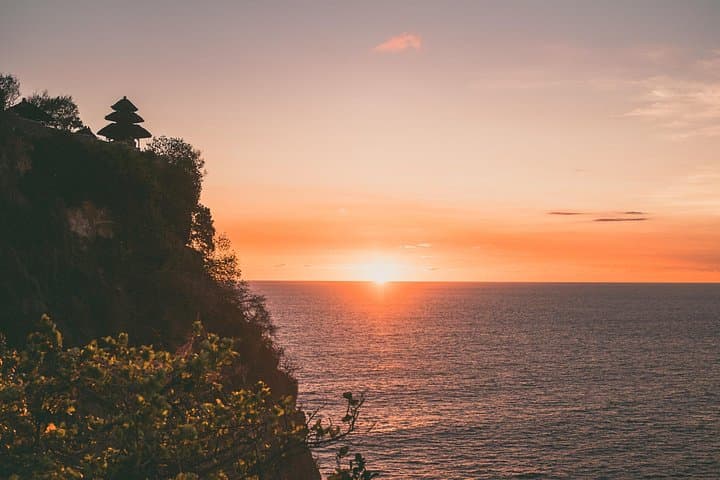
You arrive as the ocean lifts its light, the cliff at Uluwatu crouching like a watchful guardian above the Indian Ocean. Wind pushes across the promontory, salt and smoke from small fires tangling in your hair; below, waves dare the rock and gulls wheel on the thermals. The platform at the temple offers a clear line to the sinking sun—an 11th-century silhouette against a widening band of orange.
You arrive as the ocean lifts its light, the cliff at Uluwatu crouching like a watchful guardian above the Indian Ocean. Wind pushes across the promontory, salt and smoke from small fires tangling in your hair; below, waves dare the rock and gulls wheel on the thermals. The platform at the temple offers a clear line to the sinking sun—an 11th-century silhouette against a widening band of orange.
Uluwatu (Pura Luhur Uluwatu) is one of Bali’s six directional temples and sits roughly 70 meters above sea level, built where volcanic limestone meets ocean. The surrounding forest is small but noisy, home to long-tailed macaques that have long been woven into local stories of protection and mischief. The evening program pairs that cliff-top scene with the Kecak: a vocal, percussive dramatic form developed in the early 20th century that retells Ramayana episodes without gamelan—hundreds of voices become the score. The night completes at Jimbaran, where low-slung tables on white sand, tiki lamps, and live-fire grills turn seafood into a simple, sensory ceremony.
Practically: plan for a 5–6 hour window, moderate walking with steps at the temple, and uneven sand on the beach. Bring sun protection, small bills for offerings or photos with performers, and a secure bag for cameras—monkeys are bold. If you want photos of the sun on the cliff, arrive 30–45 minutes before showtime; if you prefer fewer people, pick a weekday. The tour is private and accessible by car with A/C, and dinner options can be chosen with or without the seafood meal included.