THE ADVENTURE COLLECTIVE® · Independent discovery and booking for outdoor travel

Short, steep and uncompromising: the Umbwe Route on Kilimanjaro is a six-day, high-gain climb that tests fitness and acclimatization. This guide explains the terrain, logistics and practical packing for aspiring summiters.
Short, steep and uncompromising: the Umbwe Route on Kilimanjaro is a six-day, high-gain climb that tests fitness and acclimatization. This guide explains the terrain, logistics and practical packing for aspiring summiters.
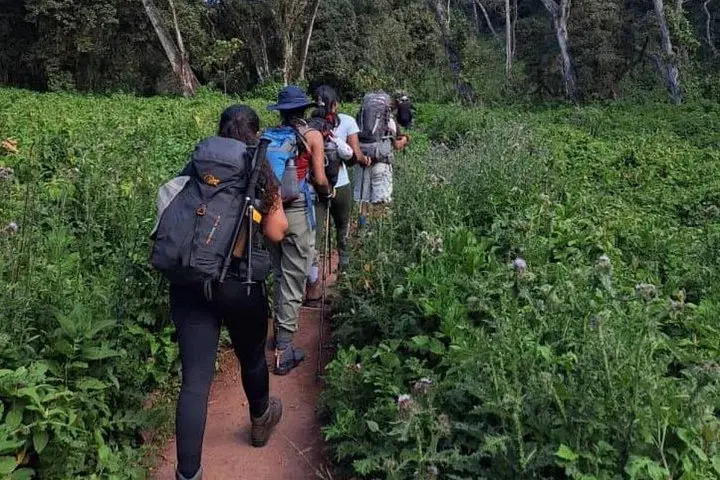
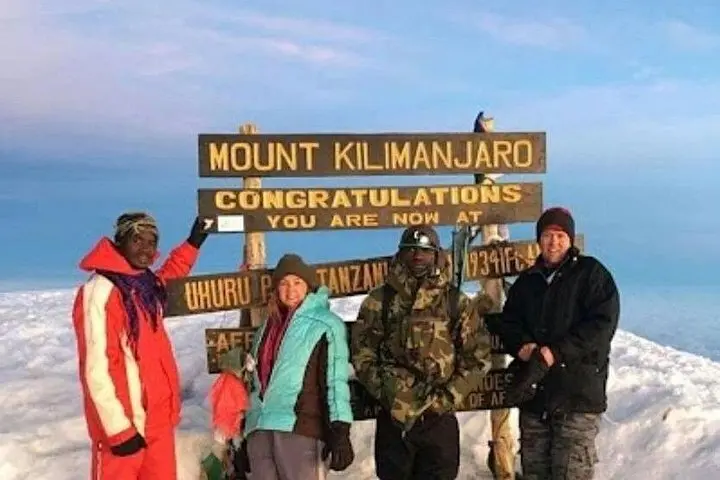
At Umbwe Gate the trail disappears into a green wall of cloud forest that seems to close behind you. Guides check permits, porters shoulder duffels, and a damp humidity clings to the moss. Over six days the Umbwe Route pushes hard and fast from verdant slopes to the exposed alpine desert and, for those who make it, the white rim of Kibo and Uhuru Peak at 5,895 meters. This is not a scenic stroll; it’s a concentrated, steep ascent that challenges legs, lungs and judgment.
Verified experiences and guided adventures in the surrounding area.
Operated by Exceed Expectations Tours & Safari · Moshi, Kilimanjaro Region
At Umbwe Gate the trail disappears into a green wall of cloud forest that seems to close behind you. Guides check permits, porters shoulder duffels, and a damp humidity clings to the moss. Over six days the Umbwe Route pushes hard and fast from verdant slopes to the exposed alpine desert and, for those who make it, the white rim of Kibo and Uhuru Peak at 5,895 meters. This is not a scenic stroll; it’s a concentrated, steep ascent that challenges legs, lungs and judgment.
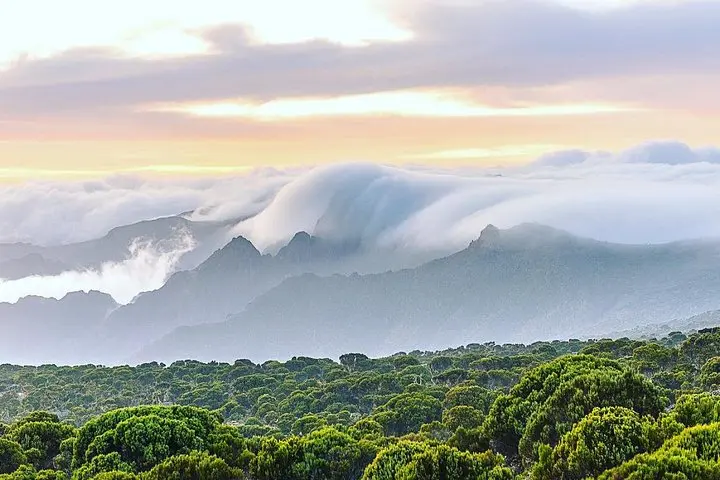
Umbwe’s geography explains its reputation. You climb roughly 4,000–4,200 meters in just six days, with long days on uneven volcanic scree, steep ridgelines and one notable scramble up the Barranco Wall. The route threads through cloud forest, moorland with giant senecios and lobelias, then into alpine desert where wind and cold carve Kibo’s glaciers into sharp profiles. On clear mornings Mawenzi’s serrated summit watches from the east; at night the crater’s ice fields glow under headlamp light as teams move toward Stella Point and the final rise to Uhuru.
The trail has history too: Umbwe was once a hunters’ and porters’ path before becoming a low-traffic, direct option for strong trekkers. Fewer people means more solitude, but it also means less built-in acclimatization, so success rates are lower than on longer routes. Local guides from Moshi read weather, scent the arrival of storms and keep rhythms that help a body adjust—slow breakfasts, steady pacing, and deliberate rest.
Practical matters are crucial. Expect steep terrain and slippery root sections in the forest; carry layers for sharp temperature swings; and budget time to rest at Barafu before the midnight summit push. The summit night is long—about six hours to the crater rim—and altitude, not technical terrain, is the real obstacle.
For planning: fly into Kilimanjaro International or land in Moshi, allow at least a day for pre-climb review, and budget for tipping porters and guides. Physically, train for sustained uphill work and include long days with a loaded pack. Hydration, a lightweight stove at camp for hot drinks, and a headlamp with fresh batteries will transform an uncomfortable night into a manageable one.
Umbwe rewards those who respect it: unforgettable ridgelines, near-empty camps like Barranco and Barafu, and the rare stillness at the roof of Africa. But take the warnings seriously—this route is for experienced, well-prepared trekkers who accept the tradeoff of speed for risk.
Success rates are lower than on longer routes because of rapid ascent; fitness, acclimatization and weather all impact outcomes—many climbers increase their odds by adding an extra acclimatization day.
No ropes or technical gear are needed, but expect basic scrambling (especially the Barranco Wall) and steep terrain that demands good balance and use of hands.
Yes—porters carry communal gear and a portion of personal luggage up to agreed weight limits; keep your daypack light for the summit push.
The drier months (January–March and June–October) offer more stable weather and clearer summit views; rainy seasons increase slippery conditions and cloud cover.
Many climbers use acetazolamide for prevention, but consult a physician before taking any medication and follow guide recommendations for acclimatization and descent protocols.
Tipping guides and porters is customary; plan a gratuity budget and distribute it at the end of the trek—your operator can advise suggested amounts.
Exceed Expectations Tours & Safari operates guided outdoor trips and adventures with an emphasis on safety, stewardship, and memorable experiences.
At Umbwe Gate the trail disappears into a green wall of cloud forest that seems to close behind you. Guides check permits, porters shoulder duffels, and a damp humidity clings to the moss. Over six days the Umbwe Route pushes hard and fast from verdant slopes to the exposed alpine desert and, for those who make it, the white rim of Kibo and Uhuru Peak at 5,895 meters. This is not a scenic stroll; it’s a concentrated, steep ascent that challenges legs, lungs and judgment.
At Umbwe Gate the trail disappears into a green wall of cloud forest that seems to close behind you. Guides check permits, porters shoulder duffels, and a damp humidity clings to the moss. Over six days the Umbwe Route pushes hard and fast from verdant slopes to the exposed alpine desert and, for those who make it, the white rim of Kibo and Uhuru Peak at 5,895 meters. This is not a scenic stroll; it’s a concentrated, steep ascent that challenges legs, lungs and judgment.
Umbwe’s geography explains its reputation. You climb roughly 4,000–4,200 meters in just six days, with long days on uneven volcanic scree, steep ridgelines and one notable scramble up the Barranco Wall. The route threads through cloud forest, moorland with giant senecios and lobelias, then into alpine desert where wind and cold carve Kibo’s glaciers into sharp profiles. On clear mornings Mawenzi’s serrated summit watches from the east; at night the crater’s ice fields glow under headlamp light as teams move toward Stella Point and the final rise to Uhuru.
The trail has history too: Umbwe was once a hunters’ and porters’ path before becoming a low-traffic, direct option for strong trekkers. Fewer people means more solitude, but it also means less built-in acclimatization, so success rates are lower than on longer routes. Local guides from Moshi read weather, scent the arrival of storms and keep rhythms that help a body adjust—slow breakfasts, steady pacing, and deliberate rest.
Practical matters are crucial. Expect steep terrain and slippery root sections in the forest; carry layers for sharp temperature swings; and budget time to rest at Barafu before the midnight summit push. The summit night is long—about six hours to the crater rim—and altitude, not technical terrain, is the real obstacle.
For planning: fly into Kilimanjaro International or land in Moshi, allow at least a day for pre-climb review, and budget for tipping porters and guides. Physically, train for sustained uphill work and include long days with a loaded pack. Hydration, a lightweight stove at camp for hot drinks, and a headlamp with fresh batteries will transform an uncomfortable night into a manageable one.
Umbwe rewards those who respect it: unforgettable ridgelines, near-empty camps like Barranco and Barafu, and the rare stillness at the roof of Africa. But take the warnings seriously—this route is for experienced, well-prepared trekkers who accept the tradeoff of speed for risk.