THE ADVENTURE COLLECTIVE® · Independent discovery and booking for outdoor travel
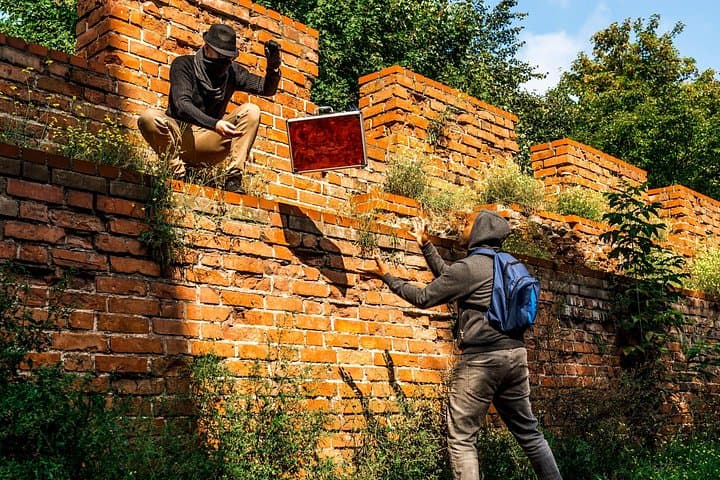
Turn Gdynia’s seafront and modernist streets into a two-hour detective playground. This interactive city game mixes history, architecture and coastal culture into a family-friendly urban hunt.
Turn Gdynia’s seafront and modernist streets into a two-hour detective playground. This interactive city game mixes history, architecture and coastal culture into a family-friendly urban hunt.
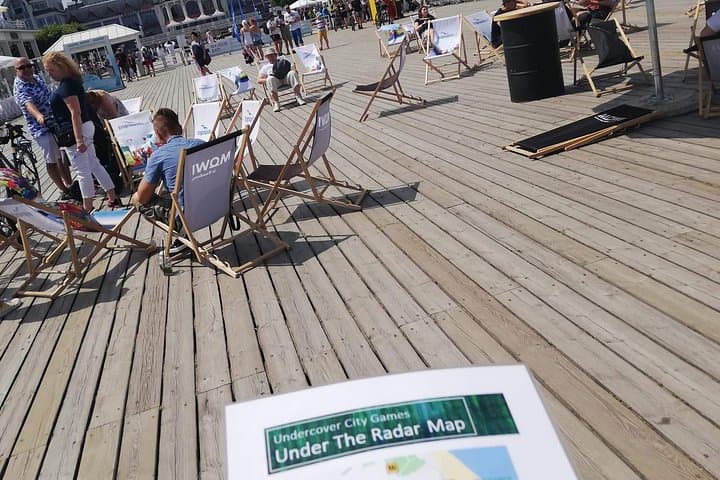
You step from a tram onto a wide promenade and the Baltic seems to whisper directions as you open the game folder. Narrow streets, seafront piers and a line of modernist buildings become a liveboard: clues, puzzles and local lore threading the city into a two-hour chase.
Verified experiences and guided adventures in the surrounding area.
Operated by Undercover City Games · Gdynia, Pomeranian Voivodeship
You step from a tram onto a wide promenade and the Baltic seems to whisper directions as you open the game folder. Narrow streets, seafront piers and a line of modernist buildings become a liveboard: clues, puzzles and local lore threading the city into a two-hour chase.
Gdynia is a young port city that surged in the interwar years when Poland reclaimed access to the sea. The game threads through neighborhoods shaped by rapid 20th-century growth, waterfront warehouses, and 1930s modernist tenements—each checkpoint a small lesson in civic ambition and coastal commerce. Geologically, Gdynia sits on Pomeranian moraine and Baltic lowlands, so expect mostly flat walking with occasional slopes toward viewpoints and piers.
Culturally the route nudges you past maritime monuments and local maritime museums; the experience favors observation over heavy history lectures, so you’ll decode signs, façades and harbor life while racing a clock. Locals often point to the shipyard stories and the city’s role in Poland’s modern identity—those themes crop up in clever clues.
Practically, the game is a low-impact, accessible urban walk of about 2 hours with mostly paved surfaces and short bursts of staircases. It’s family-friendly and wheelchair-accessible in core sections, but bring a fully charged smartphone (the game runs on paper materials plus phone use), comfortable walking shoes, and a small power bank. Start in the morning to avoid peak tourist traffic, keep small-change for cafés, and use public transit to reach the meeting point. The Undercover City Games turn ordinary exploration into a structured, playful way to learn a port city’s history while walking its streets.
The standard run is approximately two hours and covers a mostly flat walking route through central Gdynia.
Core sections are wheelchair accessible and the provider notes the activity is suitable for most mobility levels, though some streets may have uneven paving.
Check the booking page; materials are typically provided in Polish and English for international visitors.
Yes—this is family-friendly and scalable for groups; it’s popular for team-building and stag/hen parties.
Undercover City Games operates guided outdoor trips and adventures with an emphasis on safety, stewardship, and memorable experiences.


You step from a tram onto a wide promenade and the Baltic seems to whisper directions as you open the game folder. Narrow streets, seafront piers and a line of modernist buildings become a liveboard: clues, puzzles and local lore threading the city into a two-hour chase.
You step from a tram onto a wide promenade and the Baltic seems to whisper directions as you open the game folder. Narrow streets, seafront piers and a line of modernist buildings become a liveboard: clues, puzzles and local lore threading the city into a two-hour chase.
Gdynia is a young port city that surged in the interwar years when Poland reclaimed access to the sea. The game threads through neighborhoods shaped by rapid 20th-century growth, waterfront warehouses, and 1930s modernist tenements—each checkpoint a small lesson in civic ambition and coastal commerce. Geologically, Gdynia sits on Pomeranian moraine and Baltic lowlands, so expect mostly flat walking with occasional slopes toward viewpoints and piers.
Culturally the route nudges you past maritime monuments and local maritime museums; the experience favors observation over heavy history lectures, so you’ll decode signs, façades and harbor life while racing a clock. Locals often point to the shipyard stories and the city’s role in Poland’s modern identity—those themes crop up in clever clues.
Practically, the game is a low-impact, accessible urban walk of about 2 hours with mostly paved surfaces and short bursts of staircases. It’s family-friendly and wheelchair-accessible in core sections, but bring a fully charged smartphone (the game runs on paper materials plus phone use), comfortable walking shoes, and a small power bank. Start in the morning to avoid peak tourist traffic, keep small-change for cafés, and use public transit to reach the meeting point. The Undercover City Games turn ordinary exploration into a structured, playful way to learn a port city’s history while walking its streets.
