THE ADVENTURE COLLECTIVE® · Independent discovery and booking for outdoor travel

Taste Rome’s history on foot: market stalls, piazzas and Trastevere lanes guide you through centuries of culinary tradition. This 3–4 hour walking tour mixes tastings with archaeology and neighborhood life.
Taste Rome’s history on foot: market stalls, piazzas and Trastevere lanes guide you through centuries of culinary tradition. This 3–4 hour walking tour mixes tastings with archaeology and neighborhood life.
Step off a busy cobbled street and into the low hum of Rome’s layered past — your guide leads you through narrow alleys where the smell of frying olive oil and fresh basil mixes with the dust of ancient stone. The tour begins near the Theatre of Pompey, whose ruined grandeur still presses close to modern life, then threads through Campo de’ Fiori’s market stalls, spills into the oval of Piazza Navona and crosses the Tiber into Trastevere’s lantern-lit lanes.
Verified experiences and guided adventures in the surrounding area.
Operated by Roberto Tours · Rome, Lazio
Step off a busy cobbled street and into the low hum of Rome’s layered past — your guide leads you through narrow alleys where the smell of frying olive oil and fresh basil mixes with the dust of ancient stone. The tour begins near the Theatre of Pompey, whose ruined grandeur still presses close to modern life, then threads through Campo de’ Fiori’s market stalls, spills into the oval of Piazza Navona and crosses the Tiber into Trastevere’s lantern-lit lanes.
Rome’s culinary identity is an inheritance: peasant staples, papal court tastes and centuries of Mediterranean trade converge on small plates and strong coffee. Geologically, the city sits on volcanic tuff and alluvial terraces of the Tiber — surfaces you’ll feel underfoot as you walk between piazzas built on Roman foundations. Culturally, this is everyday Rome: vendors calling out produce, trattorie still making pasta by hand, and the odd taberna that has served locals for generations.
Practical guidance: expect about 3–4 hours of mostly flat walking on cobbles — comfortable shoes matter. Tastings are spaced, so come hungry but pace yourself; many vendors accept cards, though small cash helps. Public transit drops you nearby, but be mindful of pickpockets in crowded squares. If you have dietary restrictions, notify the operator ahead of time.
This is a tour for sensory curiosity — for those who want history with their lunchtime, and for travelers who prefer living neighborhoods to glossy attractions. It’s an efficient way to taste Rome while encountering corners many visitors miss.
The full experience lasts about 3.5 hours with moderate walking between stops on mostly flat but cobbled streets.
Yes—most operators can adjust tastings for allergies or vegetarian needs if notified at booking; disclose specifics early.
Meeting points are centrally located near ancient sites like the Theatre of Pompey or Campo de’ Fiori with public transit nearby; exact details are provided at booking.
Yes—physical demands are low, but participants should be comfortable walking on cobbles and standing for short tastings.
Roberto Tours operates guided outdoor trips and adventures with an emphasis on safety, stewardship, and memorable experiences.
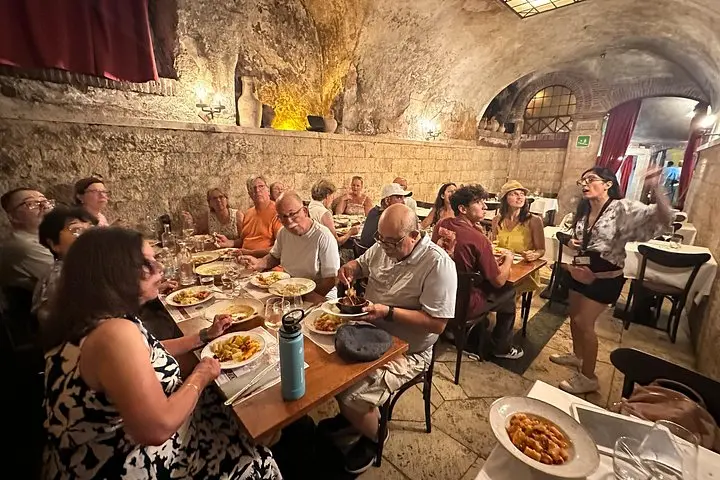
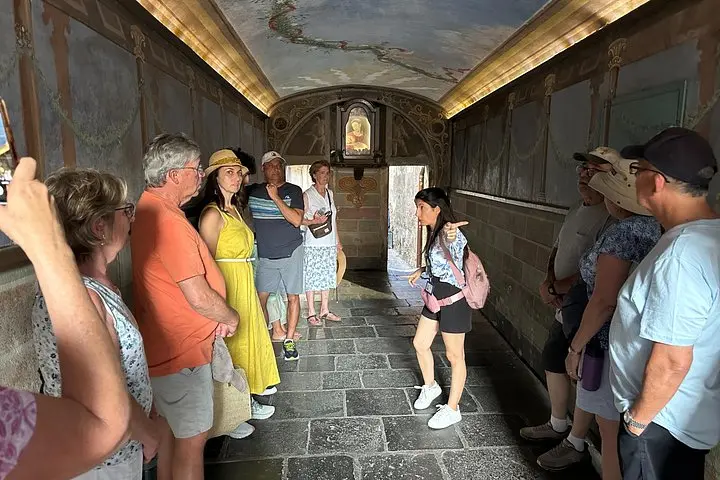
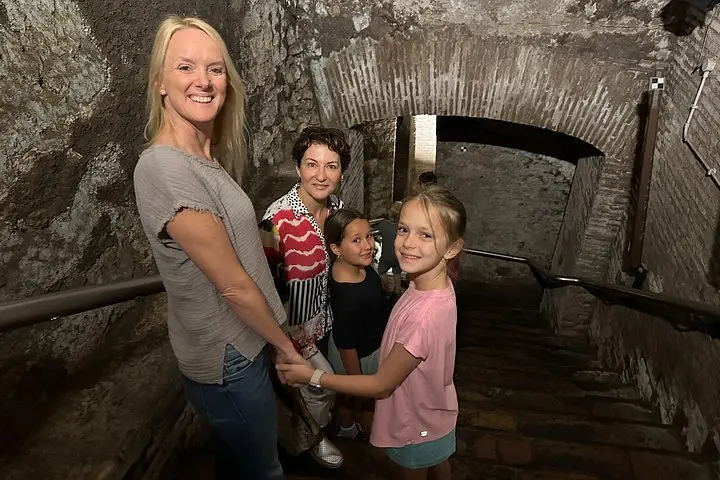
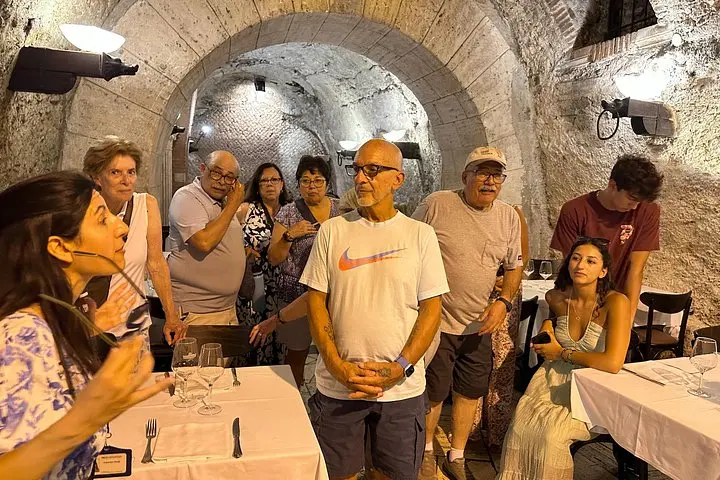
Step off a busy cobbled street and into the low hum of Rome’s layered past — your guide leads you through narrow alleys where the smell of frying olive oil and fresh basil mixes with the dust of ancient stone. The tour begins near the Theatre of Pompey, whose ruined grandeur still presses close to modern life, then threads through Campo de’ Fiori’s market stalls, spills into the oval of Piazza Navona and crosses the Tiber into Trastevere’s lantern-lit lanes.
Step off a busy cobbled street and into the low hum of Rome’s layered past — your guide leads you through narrow alleys where the smell of frying olive oil and fresh basil mixes with the dust of ancient stone. The tour begins near the Theatre of Pompey, whose ruined grandeur still presses close to modern life, then threads through Campo de’ Fiori’s market stalls, spills into the oval of Piazza Navona and crosses the Tiber into Trastevere’s lantern-lit lanes.
Rome’s culinary identity is an inheritance: peasant staples, papal court tastes and centuries of Mediterranean trade converge on small plates and strong coffee. Geologically, the city sits on volcanic tuff and alluvial terraces of the Tiber — surfaces you’ll feel underfoot as you walk between piazzas built on Roman foundations. Culturally, this is everyday Rome: vendors calling out produce, trattorie still making pasta by hand, and the odd taberna that has served locals for generations.
Practical guidance: expect about 3–4 hours of mostly flat walking on cobbles — comfortable shoes matter. Tastings are spaced, so come hungry but pace yourself; many vendors accept cards, though small cash helps. Public transit drops you nearby, but be mindful of pickpockets in crowded squares. If you have dietary restrictions, notify the operator ahead of time.
This is a tour for sensory curiosity — for those who want history with their lunchtime, and for travelers who prefer living neighborhoods to glossy attractions. It’s an efficient way to taste Rome while encountering corners many visitors miss.