THE ADVENTURE COLLECTIVE® · Independent discovery and booking for outdoor travel

Walk beneath Rome’s surface—where ancient theaters, millennia-old bridges, and Trastevere’s kitchens converge. This 3.5-hour tour mixes history and tastings as you move from Campo de’ Fiori to Tiber Island and back into the city’s beating culinary heart.
Walk beneath Rome’s surface—where ancient theaters, millennia-old bridges, and Trastevere’s kitchens converge. This 3.5-hour tour mixes history and tastings as you move from Campo de’ Fiori to Tiber Island and back into the city’s beating culinary heart.
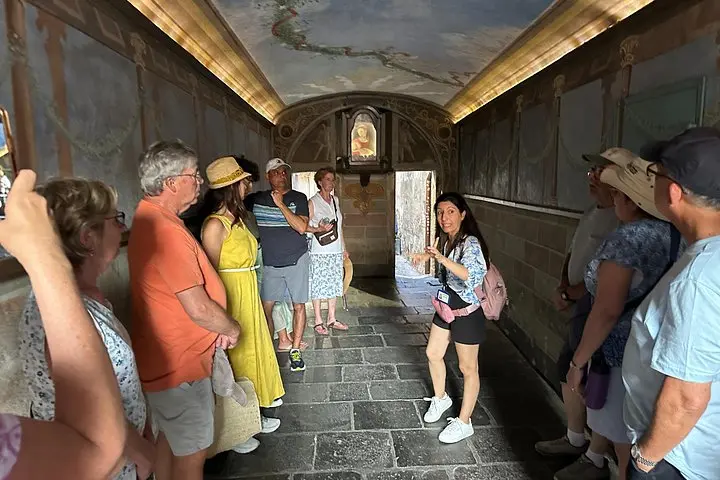
You step off Campo de’ Fiori’s sun-warmed flagstones and the city changes pitch—the clatter of markets recedes, alleys narrow, and stone after stone begins to speak. The guide leads the group past shuttered shopfronts into corridors where Rome’s layers compress: a first-century theater here, a medieval piazza there, and the Tiber’s patient current nudging the island that splits the river.
Verified experiences and guided adventures in the surrounding area.
Operated by Simona Tours · Rome, Lazio
You step off Campo de’ Fiori’s sun-warmed flagstones and the city changes pitch—the clatter of markets recedes, alleys narrow, and stone after stone begins to speak. The guide leads the group past shuttered shopfronts into corridors where Rome’s layers compress: a first-century theater here, a medieval piazza there, and the Tiber’s patient current nudging the island that splits the river.
History is immediate. You’ll pass the outline of Pompey’s theater—Rome’s inaugural permanent stage from 55 BC—and cross Ponte Fabricius, a bridge that has borne feet since 62 BC. The built environment reads like a palimpsest: travertine facades, recycled marble, medieval brickwork over imperial foundations.
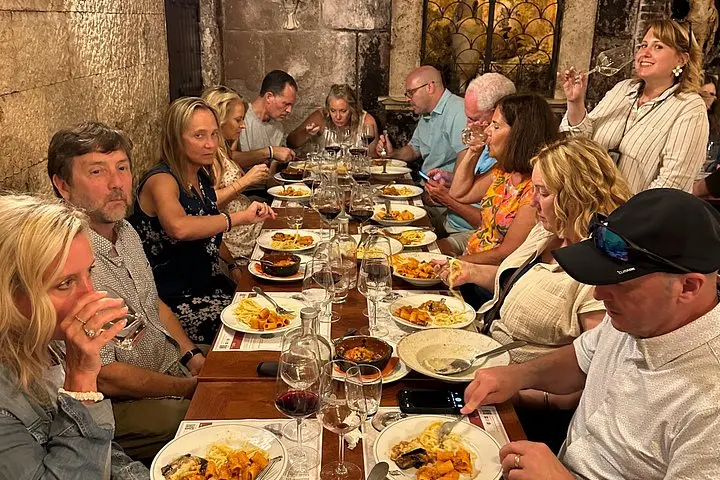
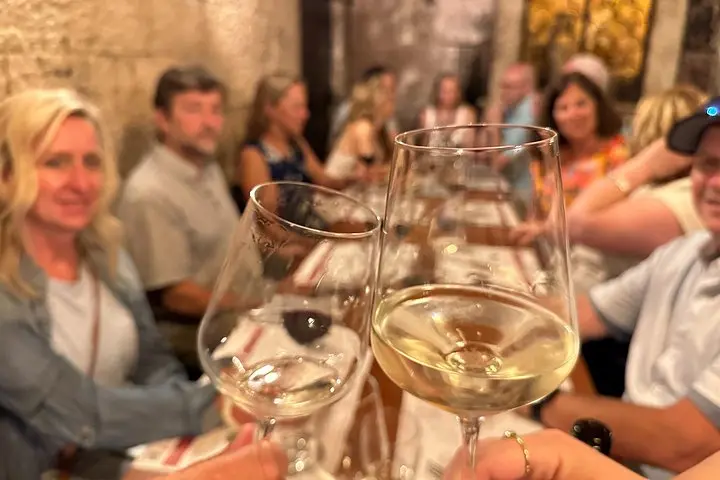
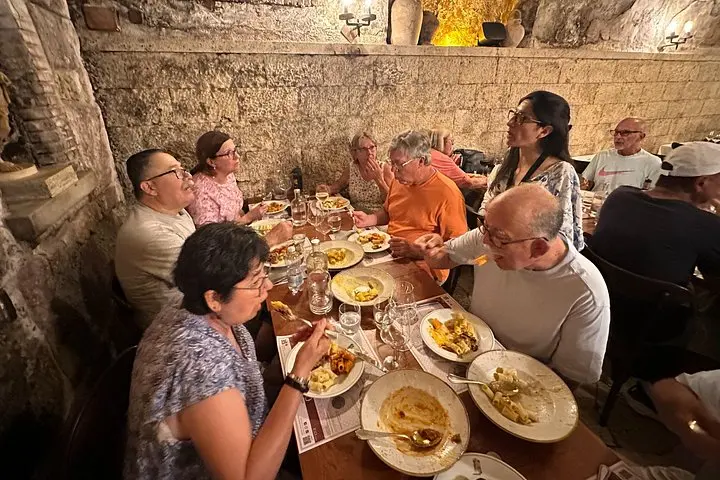
Culturally, this is Trastevere’s edge—where fishermen, monks, and modern trattorie have each left a mark. Tasting stops pair that context with concrete flavors: salted ricotta, thin-crust pizza, a bitter-sweet amaro—each bite tied to a place on the route.
Practical guidance: wear grippy shoes for uneven cobbles, bring a small bottle of water, and expect frequent short walks between stops across flat-to-rolling urban terrain. The pace is conversational, suitable for most fitness levels, but sidewalks and narrow alleys can bottleneck.
Timing matters—late afternoon light makes the Tiber glitter and streets cool; mornings have livelier markets. Keep your camera ready for intimate details: carved capitals, low-key piazzas, and a revealing cross-section of Rome’s living history.
Yes—tastings and drinks at curated stops are included as part of the tour and designed to offer a sample of authentic Roman flavors.
The route is family-friendly but narrow lanes and cobbles make strollers awkward; consider a carrier for very young children.
The meeting point is Campo de’ Fiori and the tour concludes in Trastevere, close to public transit and taxi ranks for onward travel.
Guides can often arrange alternatives with advance notice—indicate allergies or restrictions when booking so stops can prepare.
Simona Tours operates guided outdoor trips and adventures with an emphasis on safety, stewardship, and memorable experiences.
You step off Campo de’ Fiori’s sun-warmed flagstones and the city changes pitch—the clatter of markets recedes, alleys narrow, and stone after stone begins to speak. The guide leads the group past shuttered shopfronts into corridors where Rome’s layers compress: a first-century theater here, a medieval piazza there, and the Tiber’s patient current nudging the island that splits the river.
You step off Campo de’ Fiori’s sun-warmed flagstones and the city changes pitch—the clatter of markets recedes, alleys narrow, and stone after stone begins to speak. The guide leads the group past shuttered shopfronts into corridors where Rome’s layers compress: a first-century theater here, a medieval piazza there, and the Tiber’s patient current nudging the island that splits the river.
History is immediate. You’ll pass the outline of Pompey’s theater—Rome’s inaugural permanent stage from 55 BC—and cross Ponte Fabricius, a bridge that has borne feet since 62 BC. The built environment reads like a palimpsest: travertine facades, recycled marble, medieval brickwork over imperial foundations.
Culturally, this is Trastevere’s edge—where fishermen, monks, and modern trattorie have each left a mark. Tasting stops pair that context with concrete flavors: salted ricotta, thin-crust pizza, a bitter-sweet amaro—each bite tied to a place on the route.
Practical guidance: wear grippy shoes for uneven cobbles, bring a small bottle of water, and expect frequent short walks between stops across flat-to-rolling urban terrain. The pace is conversational, suitable for most fitness levels, but sidewalks and narrow alleys can bottleneck.
Timing matters—late afternoon light makes the Tiber glitter and streets cool; mornings have livelier markets. Keep your camera ready for intimate details: carved capitals, low-key piazzas, and a revealing cross-section of Rome’s living history.