
Underground Secrets: Subways of Lower Manhattan Tour
Explore Lower Manhattan’s operating and abandoned stations on this two-hour guided tour. Step into closed platforms, see unfinished stations, and learn the engineering and politics that shaped the city’s subway.
An Adventure In New York.
Explore Lower Manhattan’s operating and abandoned stations on this two-hour guided tour. Step into closed platforms, see unfinished stations, and learn the engineering and politics that shaped the city’s subway.
Read the full experience
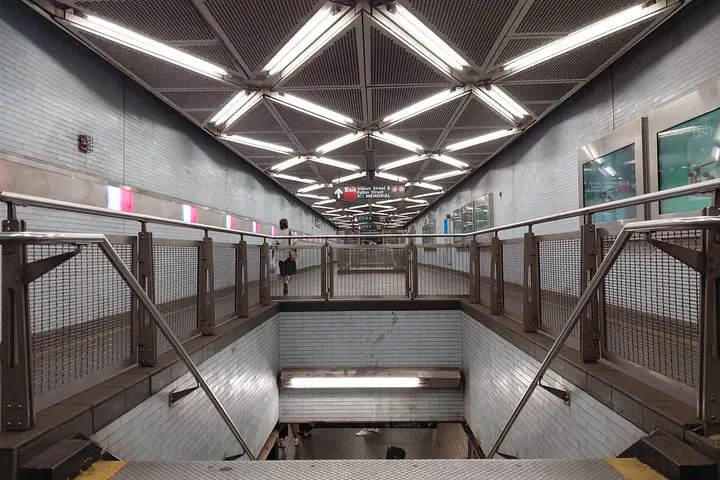
The platform breathes—metallic, warm, and alive. A train exhales down the curve, its lights slicing through vaulted tile, and a guide’s voice threads history into the rumble. This two-hour urban exploration moves through Lower Manhattan’s operating stations and shuttered spaces, guiding you past marble, peeling paint, and passageways that never saw morning light.
The platform breathes—metallic, warm, and alive. A train exhales down the curve, its lights slicing through vaulted tile, and a guide’s voice threads history into the rumble. This two-hour urban exploration moves through Lower Manhattan’s operating stations and shuttered spaces, guiding you past marble, peeling paint, and passageways that never saw morning light.
The New York City subway grew from competing private lines into one municipal web over a century. In Lower Manhattan that history is visible: elegant, closed City Hall station; the unloved Chambers Street platforms; an underground trolley terminal that thousands pass over every day; and a never-completed station whose concrete bones hint at ambitions interrupted by politics and money. Geologically, tunnels here cut through fill and bedrock—engineers wrestled with the Hudson’s push and the island’s schist, and modern construction now layers flood-prevention work and public art into new stations.
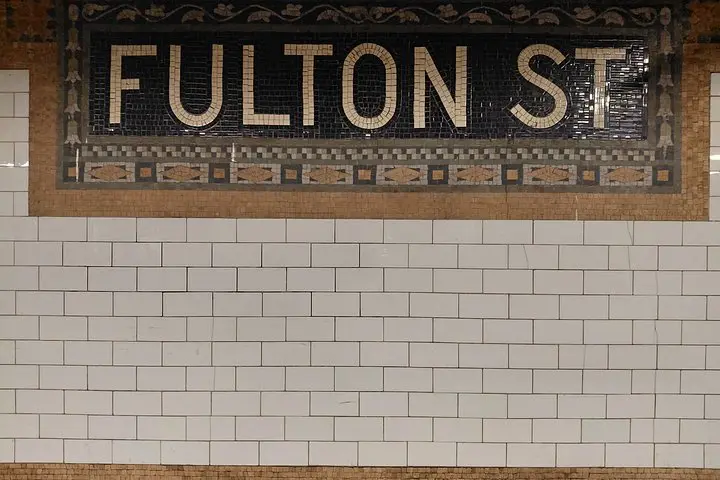
Culturally, the system mirrors the city’s churn—immigrant flows, wartime logistics, and municipal finance all left marks in tilework, signage, and route choices. Guides point out where the subway’s “money train” ran and how art and engineering today partner to protect transit from storms.
Practical guidance: expect about 1–2 miles of walking with multiple staircases and platform transfers. Wear sturdy shoes, carry a charged phone for your mobile ticket, and budget two hours. The tour is largely indoors and through active stations—pay attention to service announcements and keep personal items secure. For photographers, quiet windows and afternoon light at certain platforms add texture; for history buffs, listening closely will reveal the decisions that shaped the city beneath your feet.
Frequently asked questions
Mobile or paper tickets are accepted; the tour often includes public-transport segments so ensure your mobile ticket is accessible and your booking confirmation is on hand.
The route includes staircases and older stations that may not be fully accessible—check with the operator about accessibility accommodations before booking.
The tour passes by and discusses several closed or unused spaces; some segments involve viewing or limited access to shallow, non-operational areas as permitted by the guide.
The tour is family-friendly and service animals are allowed; small children should be supervised due to crowds and platform edges.
About This Experience
Restless Legs Walking Tours operates guided outdoor trips and adventures with an emphasis on safety, stewardship, and memorable experiences.
Adventure tips
Recommended gear
- Comfortable walking shoes: Provides traction and comfort for staircases, platforms, and short street walks between stops.
- Charged smartphone (mobile ticket/OMNY): Needed to present your mobile ticket and for navigation or photos during the tour.
- Small daypack: Carries water, snacks, and layers without getting in the way in crowded stations.
- Light jacket or layers: Stations can feel cool compared with street level—layers help with temperature shifts, especially in spring and fall.
Photos of the experience
Related adventures & guides
Read the full experience
The platform breathes—metallic, warm, and alive. A train exhales down the curve, its lights slicing through vaulted tile, and a guide’s voice threads history into the rumble. This two-hour urban exploration moves through Lower Manhattan’s operating stations and shuttered spaces, guiding you past marble, peeling paint, and passageways that never saw morning light.
The platform breathes—metallic, warm, and alive. A train exhales down the curve, its lights slicing through vaulted tile, and a guide’s voice threads history into the rumble. This two-hour urban exploration moves through Lower Manhattan’s operating stations and shuttered spaces, guiding you past marble, peeling paint, and passageways that never saw morning light.
The New York City subway grew from competing private lines into one municipal web over a century. In Lower Manhattan that history is visible: elegant, closed City Hall station; the unloved Chambers Street platforms; an underground trolley terminal that thousands pass over every day; and a never-completed station whose concrete bones hint at ambitions interrupted by politics and money. Geologically, tunnels here cut through fill and bedrock—engineers wrestled with the Hudson’s push and the island’s schist, and modern construction now layers flood-prevention work and public art into new stations.
Culturally, the system mirrors the city’s churn—immigrant flows, wartime logistics, and municipal finance all left marks in tilework, signage, and route choices. Guides point out where the subway’s “money train” ran and how art and engineering today partner to protect transit from storms.
Practical guidance: expect about 1–2 miles of walking with multiple staircases and platform transfers. Wear sturdy shoes, carry a charged phone for your mobile ticket, and budget two hours. The tour is largely indoors and through active stations—pay attention to service announcements and keep personal items secure. For photographers, quiet windows and afternoon light at certain platforms add texture; for history buffs, listening closely will reveal the decisions that shaped the city beneath your feet.
Make a day of it nearby.
Verified experiences and guided adventures in the surrounding area.