THE ADVENTURE COLLECTIVE® · Independent discovery and booking for outdoor travel

Hold on to a tow board and glide over a shipwreck alive with coral, turtles, and stingrays off Fernando de Noronha. This 2.5-hour shared tour mixes boat towing, shallow freediving, and protected-park sightings—perfect for adventurous snorkelers.
Hold on to a tow board and glide over a shipwreck alive with coral, turtles, and stingrays off Fernando de Noronha. This 2.5-hour shared tour mixes boat towing, shallow freediving, and protected-park sightings—perfect for adventurous snorkelers.
The boat slips away from the cove, engine a gentle thrum under a high, glassy sky, and the Atlantic opens like a living map beneath you. Clutch the tow board and let the current decide the rhythm: clear water, scattered coral, a rusted hull suddenly blooming with parrotfish and anemones. For a few breathless minutes you ride, ducking to 4 meters if you want, watching turtles and stingrays move as if daring you to follow.
Verified experiences and guided adventures in the surrounding area.
Operated by Gray Line Brazil · Vila dos Remédios, Pernambuco
The boat slips away from the cove, engine a gentle thrum under a high, glassy sky, and the Atlantic opens like a living map beneath you. Clutch the tow board and let the current decide the rhythm: clear water, scattered coral, a rusted hull suddenly blooming with parrotfish and anemones. For a few breathless minutes you ride, ducking to 4 meters if you want, watching turtles and stingrays move as if daring you to follow.
Fernando de Noronha is volcanic—steep basalt spines and eroded dikes that channel currents into nutrient-rich pockets—so shipwrecks become artificial reefs. The archipelago has been a strategic stop since Portuguese colonization and today is protected as a Marine National Park; entry requires a visitor fee and sensible behavior around wildlife. Local guides speak Portuguese and read the sea; they also know the cultural rhythms of Vila dos Remédios where fishermen, pousadas, and beachside grills shape island life.
Practical side: tours run about 150 minutes, include hotel pickup for island hotels, and require a minimum group size. You can free-dive to ~4 meters behind the boat and then stop for about 40 minutes of freediving near Morro dos Dois Irmãos inside the environmental protection zone. Dive gear is not provided; park tickets must be purchased at the Visitor Center (prices differ for residents and foreigners).
Expect sun, wind, salt, and close encounters with fish and rays. Bring reef-safe sunscreen, a towel, a snug mask if you have one, and plan for choppy water. Respect no-touch rules—these marine communities recover only if visitors keep distance.
No; while fitness requirements are moderate, participants should be comfortable in open water and able to hold onto the tow board and surface independently.
No. Marine National Park tickets are mandatory and purchased separately at the Visitor Center; fees differ for Brazilian residents and foreigners.
The tour requires a minimum number of passengers; if it's not met you'll be offered an alternative date or a full refund.
Yes—guides may allow dives to about 4 meters from the tow board and a scheduled freediving stop near Morro dos Dois Irmãos, but follow guides' depth and time instructions.
Gray Line Brazil operates guided outdoor trips and adventures with an emphasis on safety, stewardship, and memorable experiences.
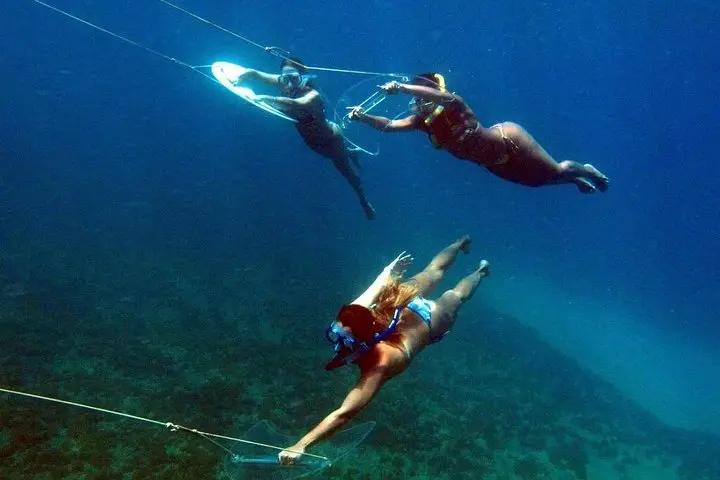
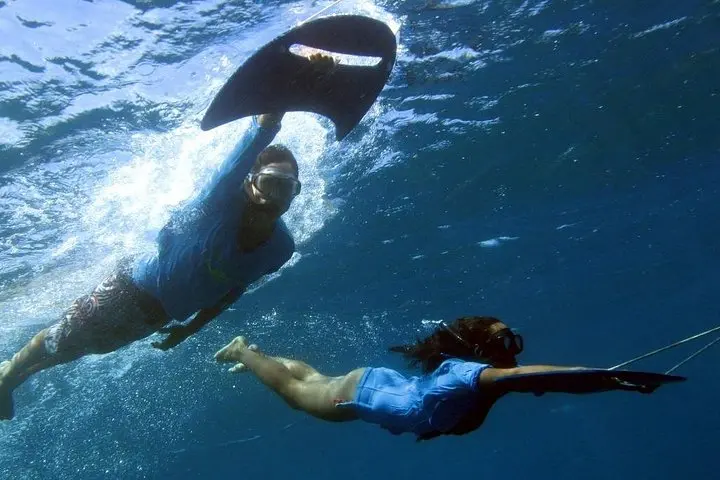
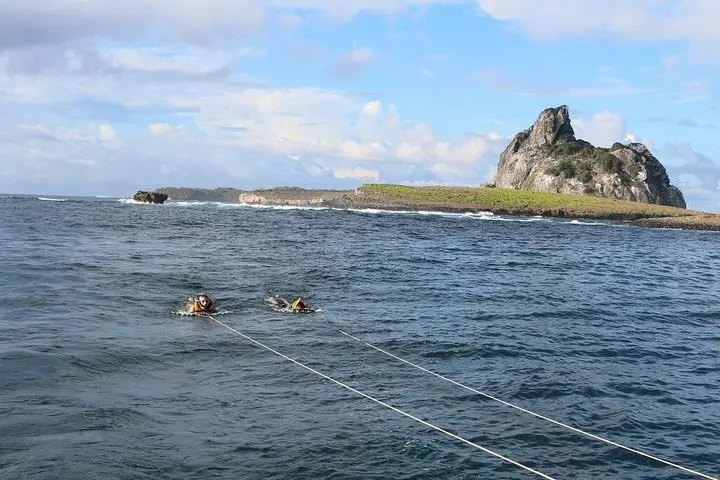
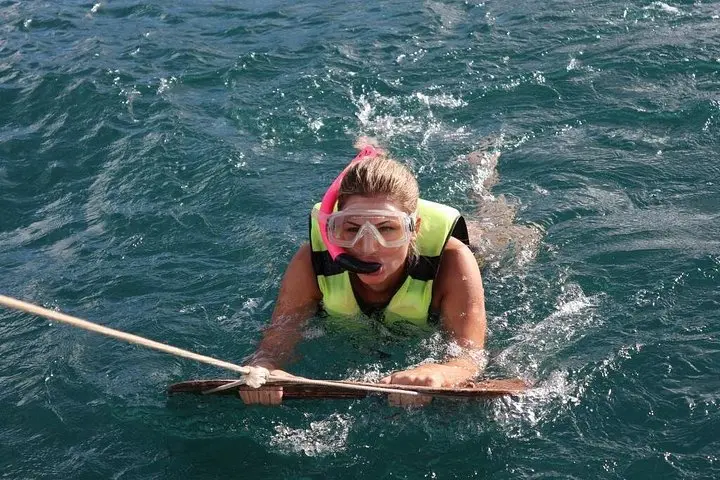
The boat slips away from the cove, engine a gentle thrum under a high, glassy sky, and the Atlantic opens like a living map beneath you. Clutch the tow board and let the current decide the rhythm: clear water, scattered coral, a rusted hull suddenly blooming with parrotfish and anemones. For a few breathless minutes you ride, ducking to 4 meters if you want, watching turtles and stingrays move as if daring you to follow.
The boat slips away from the cove, engine a gentle thrum under a high, glassy sky, and the Atlantic opens like a living map beneath you. Clutch the tow board and let the current decide the rhythm: clear water, scattered coral, a rusted hull suddenly blooming with parrotfish and anemones. For a few breathless minutes you ride, ducking to 4 meters if you want, watching turtles and stingrays move as if daring you to follow.
Fernando de Noronha is volcanic—steep basalt spines and eroded dikes that channel currents into nutrient-rich pockets—so shipwrecks become artificial reefs. The archipelago has been a strategic stop since Portuguese colonization and today is protected as a Marine National Park; entry requires a visitor fee and sensible behavior around wildlife. Local guides speak Portuguese and read the sea; they also know the cultural rhythms of Vila dos Remédios where fishermen, pousadas, and beachside grills shape island life.
Practical side: tours run about 150 minutes, include hotel pickup for island hotels, and require a minimum group size. You can free-dive to ~4 meters behind the boat and then stop for about 40 minutes of freediving near Morro dos Dois Irmãos inside the environmental protection zone. Dive gear is not provided; park tickets must be purchased at the Visitor Center (prices differ for residents and foreigners).
Expect sun, wind, salt, and close encounters with fish and rays. Bring reef-safe sunscreen, a towel, a snug mask if you have one, and plan for choppy water. Respect no-touch rules—these marine communities recover only if visitors keep distance.