THE ADVENTURE COLLECTIVE® · Independent discovery and booking for outdoor travel

Walk the French Quarter after dark with a guide and an EMF meter to hear the real and rumored hauntings of New Orleans—Marie Laveau, Madame LaLaurie, Civil War spirits, and more. This 1–2 hour evening tour mixes local history, true crime, and bar stops for a brisk, atmospheric city walk.
Walk the French Quarter after dark with a guide and an EMF meter to hear the real and rumored hauntings of New Orleans—Marie Laveau, Madame LaLaurie, Civil War spirits, and more. This 1–2 hour evening tour mixes local history, true crime, and bar stops for a brisk, atmospheric city walk.
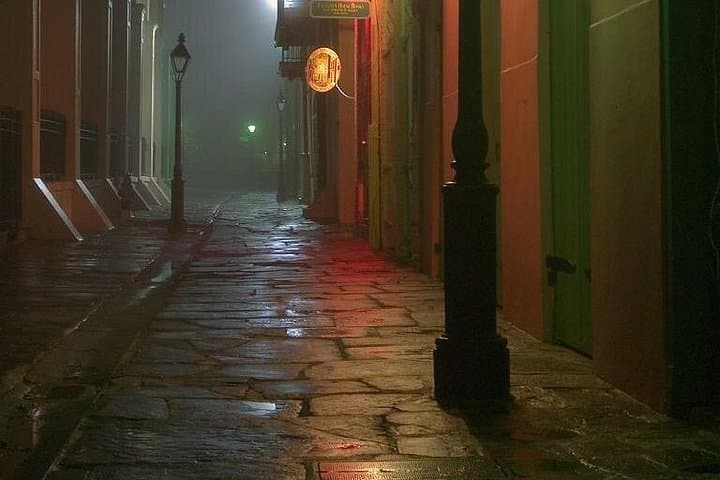
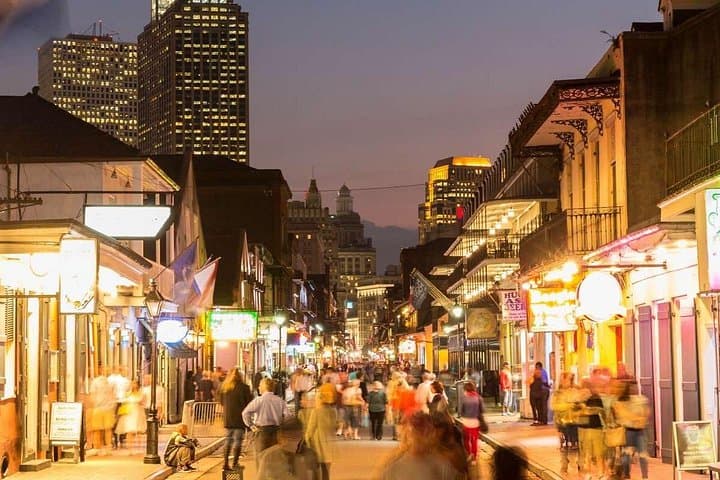
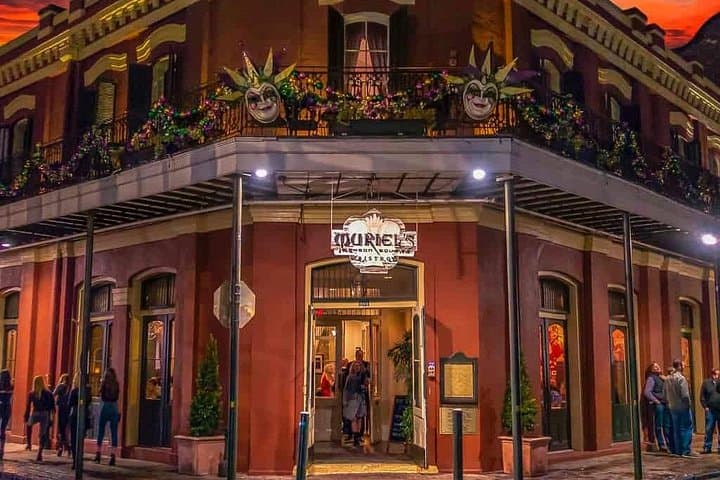
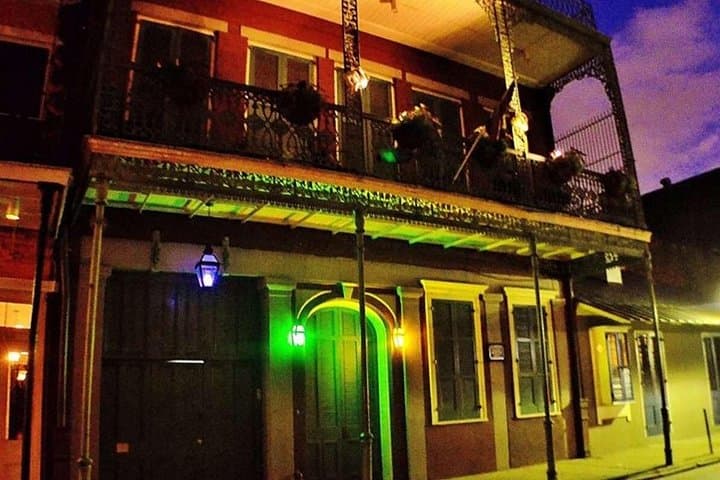
You meet at the iron gate of Lafitte’s Blacksmith Shop as the city exhales—humid air rolling off the Mississippi, streetlamps throwing long shadows across the cobblestones. A guide checks tickets, thumbs an EMF meter into life, and the French Quarter sheds its daytime tourism like a coat. The night here is a participant: it hushes, it points, it keeps secrets.
Verified experiences and guided adventures in the surrounding area.
Operated by New Orleans Drunk History Tours • Show Me New Orleans Tours · New Orleans, Louisiana
You meet at the iron gate of Lafitte’s Blacksmith Shop as the city exhales—humid air rolling off the Mississippi, streetlamps throwing long shadows across the cobblestones. A guide checks tickets, thumbs an EMF meter into life, and the French Quarter sheds its daytime tourism like a coat. The night here is a participant: it hushes, it points, it keeps secrets.
This is not a theatrical haunted-house stroll; it’s urban history told at street level. The tour threads through alleyways and bar-front walkups, pausing outside the candlelit silhouette of St. Louis Cathedral and the wrought-iron façade of the Madame LaLaurie house. Along the way guides stitch together stories of Marie Laveau, Civil War ghosts at the Beauregard-Keyes House, and the Sultan’s Palace scandal—each account a mix of documented fact, oral lore, and the kind of local rumor that pads the city’s edges.
Geology and geography matter here. New Orleans sits on alluvial soil—soft, shifting ground that the river and centuries of human settlement have shaped. The Quarter’s narrow streets and raised buildings tell the same story as its legends: survival and reinvention in a place that settles and lifts with the seasons. Culture is equally layered—French, Spanish, African, Caribbean—and the supernatural narratives are extensions of that tangled past.
Practicalities are direct. Tours run 60–120 minutes at a moderate pace and finish in the French Quarter; they’re rain-or-shine and operate after dusk when the city’s details sharpen. The meeting point is outside 941 Bourbon Street—do not enter the bar to check in. Guides use a real EMF/ghost meter during parts of the walk; photography is encouraged, but audio and video recording are prohibited. Small bar stops are built into the route; bring ID if you plan to buy a drink to-go. The operator enforces sobriety for safety—extreme intoxication can result in refusal of service.
For planners: expect uneven sidewalks and occasional crowds, especially near landmarks. Wear sturdy shoes, carry water, and download a local map before you lose signal in tight lanes. If you want a quieter encounter, aim for weekdays outside of festival season. Respect residents—this is a living neighborhood—and keep voices low near private doorways.
At its best the tour performs a delicate balance: it thrills without sensationalizing, offers local lore without insisting you believe it, and leaves you with a sharper sense of place—the architecture, the river’s presence, the stories that refuse to die. Whether you came for true crime, voodoo history, or a theatrical night walk, New Orleans at night has a way of staying with you long after you cross the river back to the bright, normal world.
Tours typically last between 60 and 120 minutes depending on bar wait times and group size.
Children may attend but must be accompanied by an adult; some bar stops do not admit minors and tour segments may pass by adult-only locations.
The operator lists wheelchair accessibility, but note that some streets and alleys are uneven—contact the operator ahead to confirm accommodations for your specific needs.
No—audio and video recording are prohibited; photos are allowed and encouraged during the tour.
Tours are rain-or-shine; the guide will proceed unless the tour is canceled by the operator for severe weather.
No—drinks can be purchased at stops along the route but are not included in the tour price; have ID ready for purchase.
New Orleans Drunk History Tours • Show Me New Orleans Tours operates guided outdoor trips and adventures with an emphasis on safety, stewardship, and memorable experiences.
You meet at the iron gate of Lafitte’s Blacksmith Shop as the city exhales—humid air rolling off the Mississippi, streetlamps throwing long shadows across the cobblestones. A guide checks tickets, thumbs an EMF meter into life, and the French Quarter sheds its daytime tourism like a coat. The night here is a participant: it hushes, it points, it keeps secrets.
You meet at the iron gate of Lafitte’s Blacksmith Shop as the city exhales—humid air rolling off the Mississippi, streetlamps throwing long shadows across the cobblestones. A guide checks tickets, thumbs an EMF meter into life, and the French Quarter sheds its daytime tourism like a coat. The night here is a participant: it hushes, it points, it keeps secrets.
This is not a theatrical haunted-house stroll; it’s urban history told at street level. The tour threads through alleyways and bar-front walkups, pausing outside the candlelit silhouette of St. Louis Cathedral and the wrought-iron façade of the Madame LaLaurie house. Along the way guides stitch together stories of Marie Laveau, Civil War ghosts at the Beauregard-Keyes House, and the Sultan’s Palace scandal—each account a mix of documented fact, oral lore, and the kind of local rumor that pads the city’s edges.
Geology and geography matter here. New Orleans sits on alluvial soil—soft, shifting ground that the river and centuries of human settlement have shaped. The Quarter’s narrow streets and raised buildings tell the same story as its legends: survival and reinvention in a place that settles and lifts with the seasons. Culture is equally layered—French, Spanish, African, Caribbean—and the supernatural narratives are extensions of that tangled past.
Practicalities are direct. Tours run 60–120 minutes at a moderate pace and finish in the French Quarter; they’re rain-or-shine and operate after dusk when the city’s details sharpen. The meeting point is outside 941 Bourbon Street—do not enter the bar to check in. Guides use a real EMF/ghost meter during parts of the walk; photography is encouraged, but audio and video recording are prohibited. Small bar stops are built into the route; bring ID if you plan to buy a drink to-go. The operator enforces sobriety for safety—extreme intoxication can result in refusal of service.
For planners: expect uneven sidewalks and occasional crowds, especially near landmarks. Wear sturdy shoes, carry water, and download a local map before you lose signal in tight lanes. If you want a quieter encounter, aim for weekdays outside of festival season. Respect residents—this is a living neighborhood—and keep voices low near private doorways.
At its best the tour performs a delicate balance: it thrills without sensationalizing, offers local lore without insisting you believe it, and leaves you with a sharper sense of place—the architecture, the river’s presence, the stories that refuse to die. Whether you came for true crime, voodoo history, or a theatrical night walk, New Orleans at night has a way of staying with you long after you cross the river back to the bright, normal world.