THE ADVENTURE COLLECTIVE® · Independent discovery and booking for outdoor travel

Spend a focused half-hour observing and feeding rescued elephants near Khao Lak. This short guided visit pairs easy hotel transfer with an ethical, photo-friendly encounter and insights into elephant care.
Spend a focused half-hour observing and feeding rescued elephants near Khao Lak. This short guided visit pairs easy hotel transfer with an ethical, photo-friendly encounter and insights into elephant care.
The sanctuary's gate opens onto a clearing of low grass and mud, where trunks reach for fruit baskets and ears flick like slow sails. In thirty focused minutes, visitors move from shaded meeting point to the edge of the elephants' routines, watching these animals feed, breathe, and negotiate the mud with deliberate patience.
Verified experiences and guided adventures in the surrounding area.
Operated by MY Holiday Centre · Khao Lak, Phang Nga
The sanctuary's gate opens onto a clearing of low grass and mud, where trunks reach for fruit baskets and ears flick like slow sails. In thirty focused minutes, visitors move from shaded meeting point to the edge of the elephants' routines, watching these animals feed, breathe, and negotiate the mud with deliberate patience.
Khao Lak sits on Thailand’s Andaman coast, shaped by limestone karst and coastal plains; elephants have been part of local life for centuries, serving in logging and agriculture before many were retired or rescued. Modern sanctuaries in the region have shifted toward observation and rehabilitation, offering short, controlled encounters rather than work-based tourism.
Culturally, the elephant remains a national symbol in Thailand—seen in religious festivals and rural livelihoods—so visits here come with context: guides explain daily care, dietary needs, and the behavioral cues that indicate an elephant’s comfort.
Practically, the experience is brief and structured. Expect a safety briefing, a supervised basket-feeding session, and ample photo opportunities; rides are not part of ethical programs and interactions depend on each elephant’s mood. The walk surface is mixed dirt and compacted mud; bring closed-toe shoes and be prepared for splash. Hotel pickup is often offered, making the tour an accessible half-hour encounter for travelers on tighter schedules.
For visitors who want deeper engagement, plan a separate, longer ethical-education program or a visit to nearby Lam Ru National Park. In all cases, prioritize operators who emphasize animal welfare, transparent care practices, and local community benefits.
Touching is allowed only when supervised and consented to by the elephant; handlers will guide appropriate contact to keep animals comfortable.
Yes—many operators accept families, but infants should remain secure and small children supervised closely around large animals.
Pickup is offered if selected at booking; otherwise travelers should confirm meeting points or arrange their own transport to the sanctuary.
Yes—guided basket-feeding is typically part of the 30-minute visit, but staff control food handling to ensure safety and dietary care.
MY Holiday Centre operates guided outdoor trips and adventures with an emphasis on safety, stewardship, and memorable experiences.
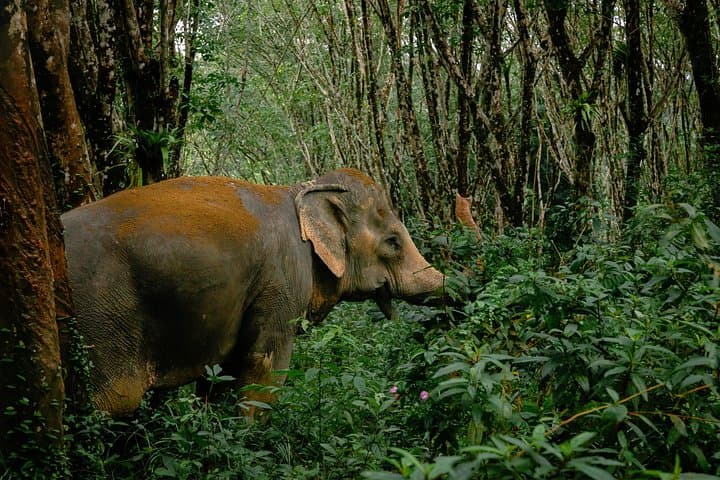
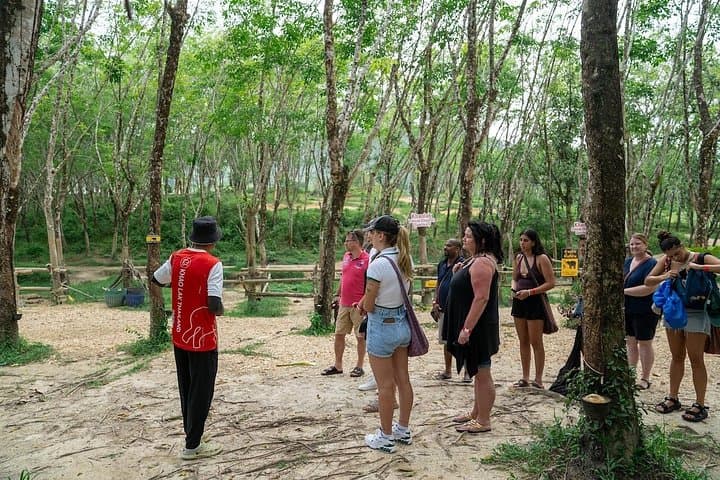
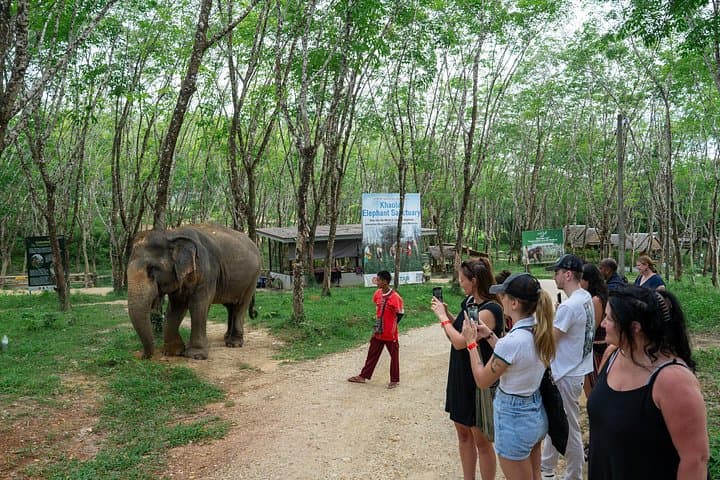
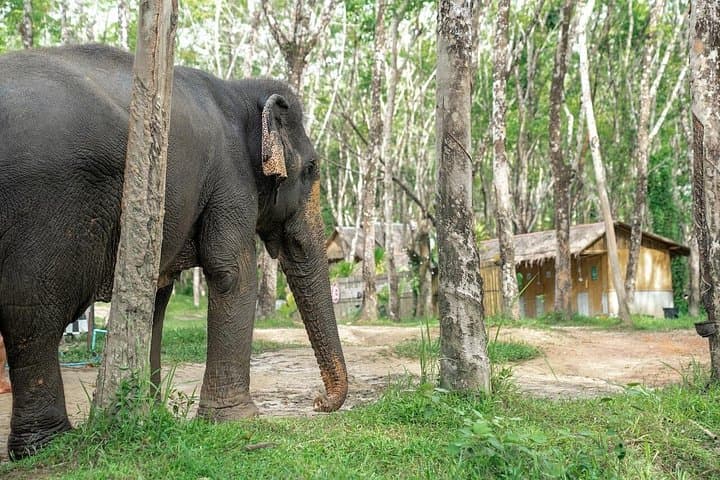
The sanctuary's gate opens onto a clearing of low grass and mud, where trunks reach for fruit baskets and ears flick like slow sails. In thirty focused minutes, visitors move from shaded meeting point to the edge of the elephants' routines, watching these animals feed, breathe, and negotiate the mud with deliberate patience.
The sanctuary's gate opens onto a clearing of low grass and mud, where trunks reach for fruit baskets and ears flick like slow sails. In thirty focused minutes, visitors move from shaded meeting point to the edge of the elephants' routines, watching these animals feed, breathe, and negotiate the mud with deliberate patience.
Khao Lak sits on Thailand’s Andaman coast, shaped by limestone karst and coastal plains; elephants have been part of local life for centuries, serving in logging and agriculture before many were retired or rescued. Modern sanctuaries in the region have shifted toward observation and rehabilitation, offering short, controlled encounters rather than work-based tourism.
Culturally, the elephant remains a national symbol in Thailand—seen in religious festivals and rural livelihoods—so visits here come with context: guides explain daily care, dietary needs, and the behavioral cues that indicate an elephant’s comfort.
Practically, the experience is brief and structured. Expect a safety briefing, a supervised basket-feeding session, and ample photo opportunities; rides are not part of ethical programs and interactions depend on each elephant’s mood. The walk surface is mixed dirt and compacted mud; bring closed-toe shoes and be prepared for splash. Hotel pickup is often offered, making the tour an accessible half-hour encounter for travelers on tighter schedules.
For visitors who want deeper engagement, plan a separate, longer ethical-education program or a visit to nearby Lam Ru National Park. In all cases, prioritize operators who emphasize animal welfare, transparent care practices, and local community benefits.