THE ADVENTURE COLLECTIVE® · Independent discovery and booking for outdoor travel
Stand on a raised platform and feed Rothschild giraffes at Nairobi’s Giraffe Centre, then walk a gentle nature trail to the Gogo River for a compact conservation experience. This half-day tour combines close wildlife viewing with practical insights about protecting an endangered subspecies.
Stand on a raised platform and feed Rothschild giraffes at Nairobi’s Giraffe Centre, then walk a gentle nature trail to the Gogo River for a compact conservation experience. This half-day tour combines close wildlife viewing with practical insights about protecting an endangered subspecies.
You step onto a low viewing platform and a long-necked head leans forward as if offering its own greeting — eyelashes sweeping the air, tongue deliberate and curious. At the Giraffe Centre outside Nairobi, Rothschild giraffes move with calm intent, approaching the feeding wall while the city hums a few kilometers away.
Verified experiences and guided adventures in the surrounding area.
Operated by Shagami Kenya Tours and Safaris · Nairobi, Nairobi County
You step onto a low viewing platform and a long-necked head leans forward as if offering its own greeting — eyelashes sweeping the air, tongue deliberate and curious. At the Giraffe Centre outside Nairobi, Rothschild giraffes move with calm intent, approaching the feeding wall while the city hums a few kilometers away.
The site began as the African Fund for Endangered Wildlife’s practical response to declining Rothschild populations; rescued calves like “Daisy” became public faces for conservation. The compound sits where gently rolling former farmland meets a scrub stream, the Gogo River cutting a narrow green band that supports acacia and birdlife. Geologically, the area is part of the Nairobi plateau, volcanic soils underpinning the low, stony ridges and pockets of fertile alluvium that sustain the trees giraffes browse.
Culture here blends urban Kenyan life with hands-on conservation: guides explain family dynamics, feeding behavior and the centre’s role in education. A one-hour nature trail tracks toward the Gogo River, moving through scrub and bird-rich thickets; it’s an easy, undulating walk with multiple viewpoints.
Practical guidance: plan for about three hours including hotel transfer; wear closed-toe shoes for the trail, sun protection, and bring a refillable bottle. Keep movement slow near the animals, follow guide instructions when feeding, and leave no food or litter behind. Photography is generous from the platform but avoid flash near eyes. The visit is equal parts close wildlife encounter and a compact conservation lesson — short, accessible, and unmistakably Nairobi.
The door-to-door program runs about three hours, including hotel pickup, time at the Giraffe Centre, and the nature trail to the Gogo River.
Yes—feeding approved pellets from the raised platform is part of the experience; follow the guide’s instructions for safety.
Yes, children can join but infants should sit on laps; the trail is relatively short but has uneven ground and low fencing in places.
Yes, the tour price includes entry to the Giraffe Centre and guided nature-trail access.
Shagami Kenya Tours and Safaris operates guided outdoor trips and adventures with an emphasis on safety, stewardship, and memorable experiences.
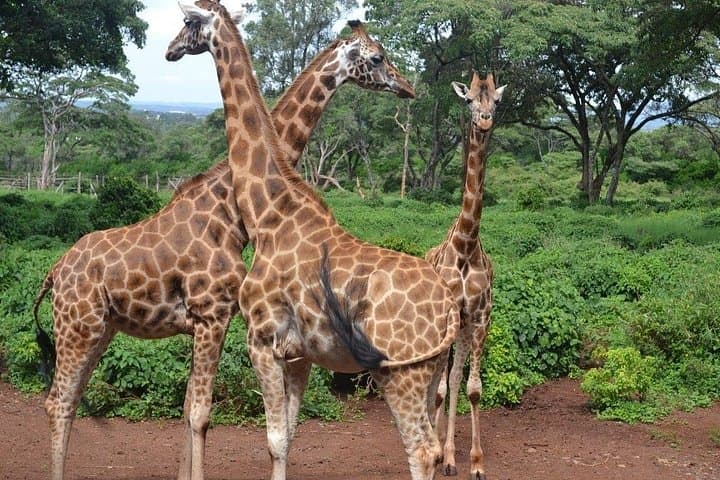
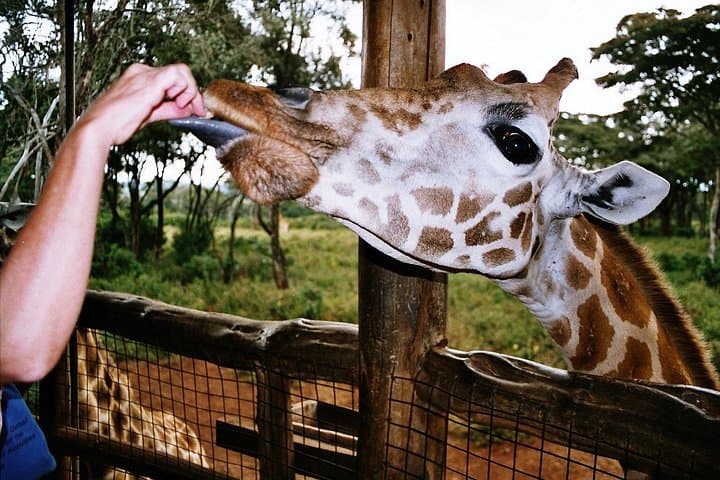
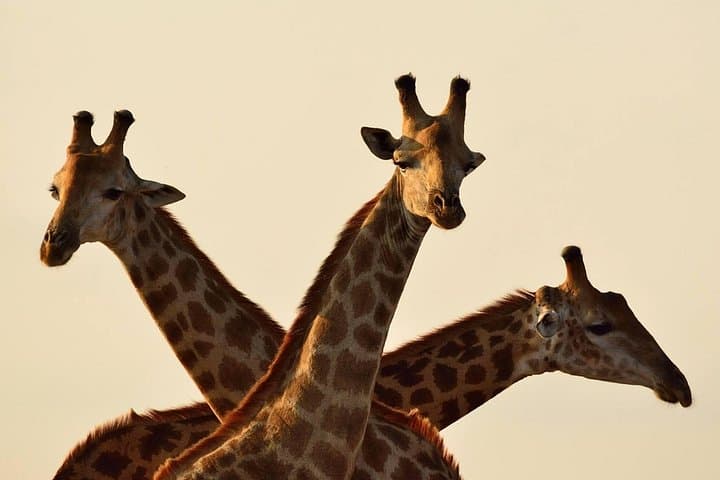
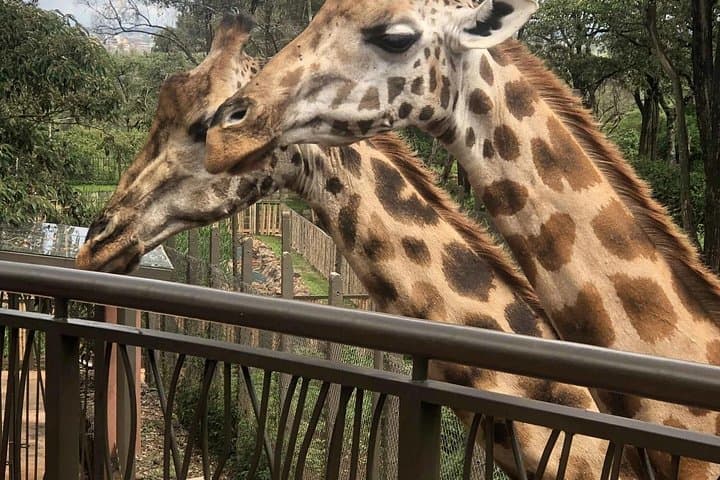
You step onto a low viewing platform and a long-necked head leans forward as if offering its own greeting — eyelashes sweeping the air, tongue deliberate and curious. At the Giraffe Centre outside Nairobi, Rothschild giraffes move with calm intent, approaching the feeding wall while the city hums a few kilometers away.
You step onto a low viewing platform and a long-necked head leans forward as if offering its own greeting — eyelashes sweeping the air, tongue deliberate and curious. At the Giraffe Centre outside Nairobi, Rothschild giraffes move with calm intent, approaching the feeding wall while the city hums a few kilometers away.
The site began as the African Fund for Endangered Wildlife’s practical response to declining Rothschild populations; rescued calves like “Daisy” became public faces for conservation. The compound sits where gently rolling former farmland meets a scrub stream, the Gogo River cutting a narrow green band that supports acacia and birdlife. Geologically, the area is part of the Nairobi plateau, volcanic soils underpinning the low, stony ridges and pockets of fertile alluvium that sustain the trees giraffes browse.
Culture here blends urban Kenyan life with hands-on conservation: guides explain family dynamics, feeding behavior and the centre’s role in education. A one-hour nature trail tracks toward the Gogo River, moving through scrub and bird-rich thickets; it’s an easy, undulating walk with multiple viewpoints.
Practical guidance: plan for about three hours including hotel transfer; wear closed-toe shoes for the trail, sun protection, and bring a refillable bottle. Keep movement slow near the animals, follow guide instructions when feeding, and leave no food or litter behind. Photography is generous from the platform but avoid flash near eyes. The visit is equal parts close wildlife encounter and a compact conservation lesson — short, accessible, and unmistakably Nairobi.
