THE ADVENTURE COLLECTIVE® · Independent discovery and booking for outdoor travel

Ride rarely seen singletrack on the lower slopes of Haleakala—flow trails, natural singletrack, and a skills area make this Upcountry Maui tour suitable for a wide range of riders. Expect volcanic soils, eucalyptus-scented air, and options for human-powered bikes or e‑MTBs.
Ride rarely seen singletrack on the lower slopes of Haleakala—flow trails, natural singletrack, and a skills area make this Upcountry Maui tour suitable for a wide range of riders. Expect volcanic soils, eucalyptus-scented air, and options for human-powered bikes or e‑MTBs.
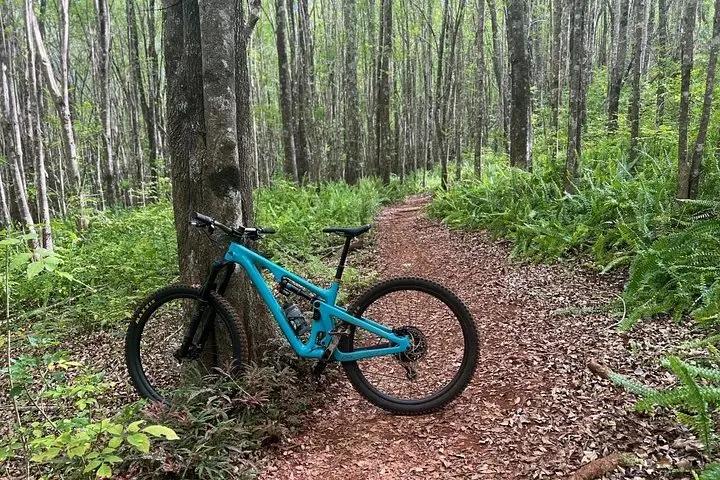
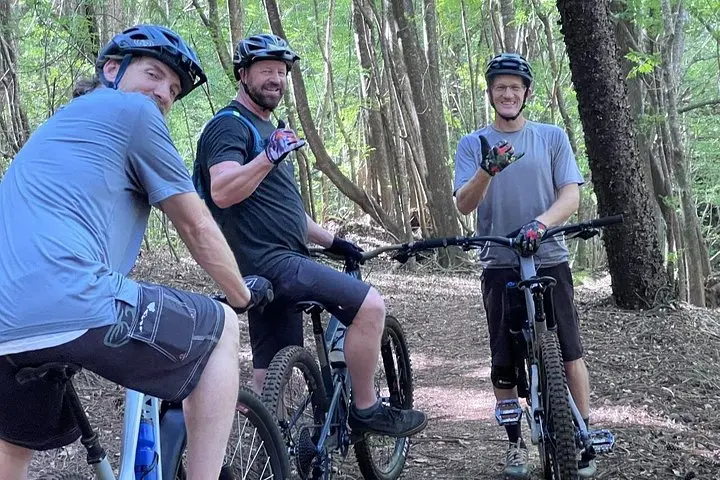
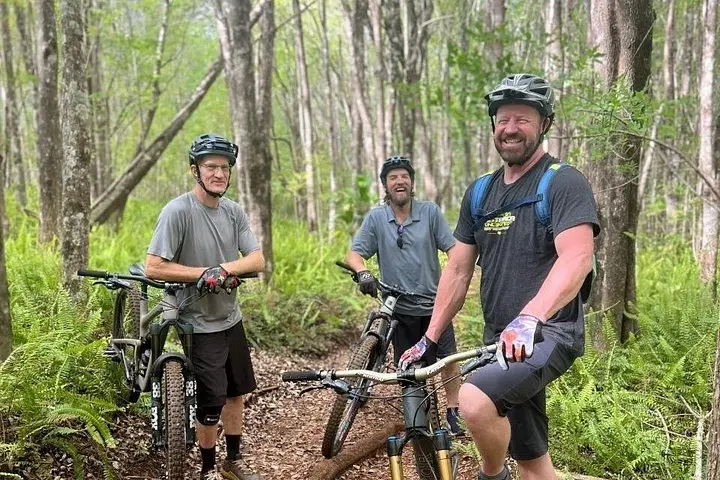
A morning on Haleakala's lower slopes starts with cool, eucalyptus-scented air and the soft rattle of bikes being checked. You meet at the end of Kahakapau Road, squat among kiawe and fern, and the guide runs a quick fit check before nudging the group onto a contouring singletrack that threads through a protected upcountry forest.
Verified experiences and guided adventures in the surrounding area.
Operated by Mountain Bike Maui · Kula, Hawaii
A morning on Haleakala's lower slopes starts with cool, eucalyptus-scented air and the soft rattle of bikes being checked. You meet at the end of Kahakapau Road, squat among kiawe and fern, and the guide runs a quick fit check before nudging the group onto a contouring singletrack that threads through a protected upcountry forest.
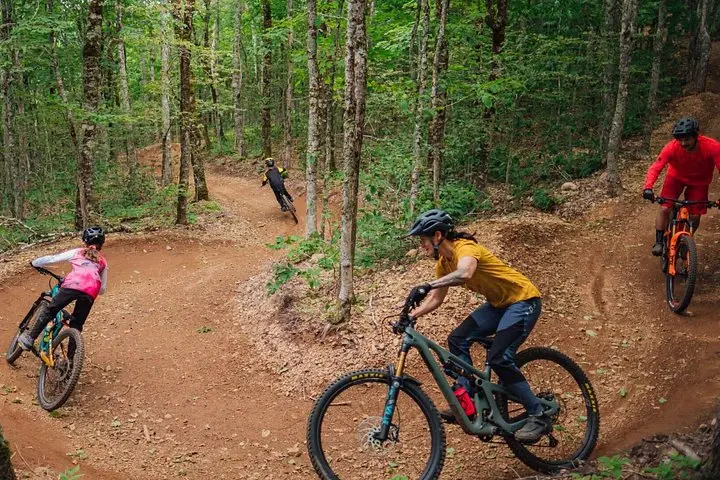
This stretch of Maui sits on old volcanic soils of Haleakala — cinder and ash turned into loam that grips tires in dry months and softens under rain. The riding alternates 6% climb pitches with fast, rolly descents, bermed flow trails, natural singletrack with roots and rocks, and a small skills loop with pump-track features. The area grew as a working ranchland before conservation efforts preserved pockets of native and introduced forest that now host both riders and native birds.
Culturally, upcountry Maui retains paniolo (cowboy) history and a farmed landscape; you'll see pasture fences and stone walls alongside ferns and kiawe. Locals value low-impact use of these reserve trails — riders are expected to yield, pack out trash, and respect closures for native species.
Practical guide: rides run about 1–3 hours (operator lists a 180-minute block), with options for full human-powered bikes or e-MTBs. Expect uneven, technical singletrack sections: basic mountain-bike handling, a well-fitted helmet, and a hydration strategy make the trip smoother. Plan for variable weather—sun, wind, and brief showers are all part of Haleakala’s temperament.
No — guides accommodate a range of abilities, but riders should be comfortable balancing, shifting, and braking on uneven terrain.
Yes — the operator offers Specialized Turbo Levo SL e‑MTBs as an option to reduce climbing effort; guides will pair you with an appropriate bike.
There are options for young children using a front-mounted MacRide seat for toddlers (roughly 2–4 years) and 20"–24" bikes for older kids; check operator policies when booking.
Tours can be canceled for heavy rain or unsafe trail conditions; cancelations typically follow the operator’s 24‑hour refund policy.
Mountain Bike Maui operates guided outdoor trips and adventures with an emphasis on safety, stewardship, and memorable experiences.
A morning on Haleakala's lower slopes starts with cool, eucalyptus-scented air and the soft rattle of bikes being checked. You meet at the end of Kahakapau Road, squat among kiawe and fern, and the guide runs a quick fit check before nudging the group onto a contouring singletrack that threads through a protected upcountry forest.
A morning on Haleakala's lower slopes starts with cool, eucalyptus-scented air and the soft rattle of bikes being checked. You meet at the end of Kahakapau Road, squat among kiawe and fern, and the guide runs a quick fit check before nudging the group onto a contouring singletrack that threads through a protected upcountry forest.
This stretch of Maui sits on old volcanic soils of Haleakala — cinder and ash turned into loam that grips tires in dry months and softens under rain. The riding alternates 6% climb pitches with fast, rolly descents, bermed flow trails, natural singletrack with roots and rocks, and a small skills loop with pump-track features. The area grew as a working ranchland before conservation efforts preserved pockets of native and introduced forest that now host both riders and native birds.
Culturally, upcountry Maui retains paniolo (cowboy) history and a farmed landscape; you'll see pasture fences and stone walls alongside ferns and kiawe. Locals value low-impact use of these reserve trails — riders are expected to yield, pack out trash, and respect closures for native species.
Practical guide: rides run about 1–3 hours (operator lists a 180-minute block), with options for full human-powered bikes or e-MTBs. Expect uneven, technical singletrack sections: basic mountain-bike handling, a well-fitted helmet, and a hydration strategy make the trip smoother. Plan for variable weather—sun, wind, and brief showers are all part of Haleakala’s temperament.