THE ADVENTURE COLLECTIVE® · Independent discovery and booking for outdoor travel

A remote, multi-day high-altitude trek through Nepal’s Upper Dolpo to Shey Gompa and Phoksundo Lake. Expect long days on rocky trails, high passes above 5,000 m, and deep cultural immersion in Tibetan-Buddhist villages.
A remote, multi-day high-altitude trek through Nepal’s Upper Dolpo to Shey Gompa and Phoksundo Lake. Expect long days on rocky trails, high passes above 5,000 m, and deep cultural immersion in Tibetan-Buddhist villages.
The first morning on the Upper Dolpo route feels like stepping into another map: thin, cold air, a lone trail threading through wind-sculpted talus toward a skyline of serrated peaks. Hikers begin with a short flight to Juphal, then follow river valleys, cross wooden bridges and climb through pine-clad slopes before the landscape opens to the arid, high-altitude expanse of Upper Dolpo.
Verified experiences and guided adventures in the surrounding area.
Operated by Himalayan Exploration · Dunai, Karnali Province
The first morning on the Upper Dolpo route feels like stepping into another map: thin, cold air, a lone trail threading through wind-sculpted talus toward a skyline of serrated peaks. Hikers begin with a short flight to Juphal, then follow river valleys, cross wooden bridges and climb through pine-clad slopes before the landscape opens to the arid, high-altitude expanse of Upper Dolpo.
This is a place shaped by glaciers and ancient trade—geology of steep gorges, moraine-sculpted basins and high passes such as King La (≈5,360 m) and Shey-La (≈5,000 m). Culturally, Upper Dolpo sits on an old Tibet-Nepal trade route; many villages practice Bon and Tibetan Buddhism, with monasteries like Shey Gompa and small, prayer-flagged hamlets preserving centuries-old rituals.
Expect dusty, rocky trails, river crossings, long ascents and descents, and multiple high camps. Phoksundo Lake—deep, turquoise and rimmed by cliffs—offers both a scenic highlight and an acclimatization day to reduce altitude risk. Wildlife sightings are discrete: Himalayan blue sheep on ridgelines, groundbirds in the valleys.
Practically: this is a 18–20 day, high-altitude, camping-intensive trek requiring excellent fitness and reliable kit. Travel windows are late spring and autumn for stable weather; winter brings deep snow and summer monsoon creates muddy, leech-prone lower sections. Guides, permits and porters are standard; walkers should budget for gradual acclimatization, daily mileage of 4–7 hours on mixed terrain, and contingency days for weather. Hydrate, layer proactively, and keep summit-day start times early to avoid afternoon winds and weather shifts.
Late spring (May–June) and autumn (September–October) offer the most stable weather and clearer mountain views; monsoon makes lower trails muddy and winter brings heavy snow over the passes.
Yes—Upper Dolpo is a restricted area that requires permits and a licensed guide; most groups also hire porters for equipment and camp logistics.
Challenging—multi-day mileage, repeated ascents to 4,000–5,360 m, and camping in remote terrain mean you should be in excellent aerobic shape and have prior multi-day trekking experience.
Carry altitude medication if advised by a physician, know acute mountain sickness symptoms, travel with a guide trained in evacuation protocols, and include a comprehensive first-aid kit.
Himalayan Exploration operates guided outdoor trips and adventures with an emphasis on safety, stewardship, and memorable experiences.
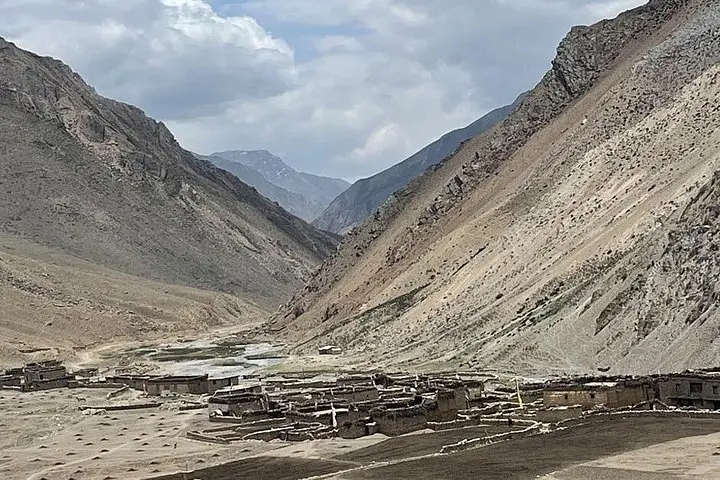
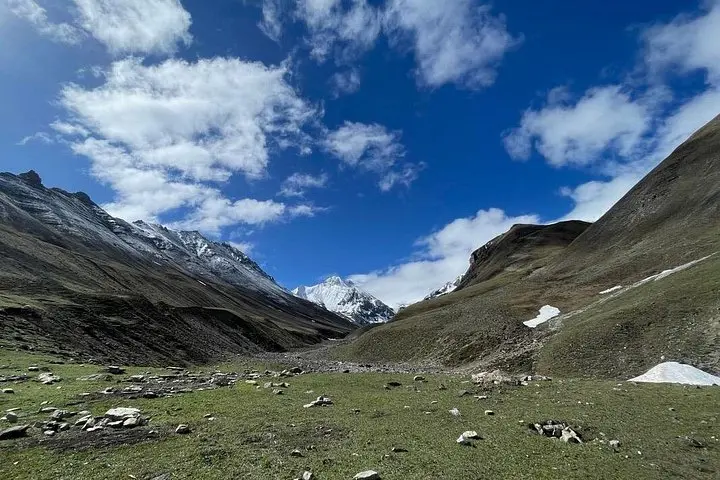
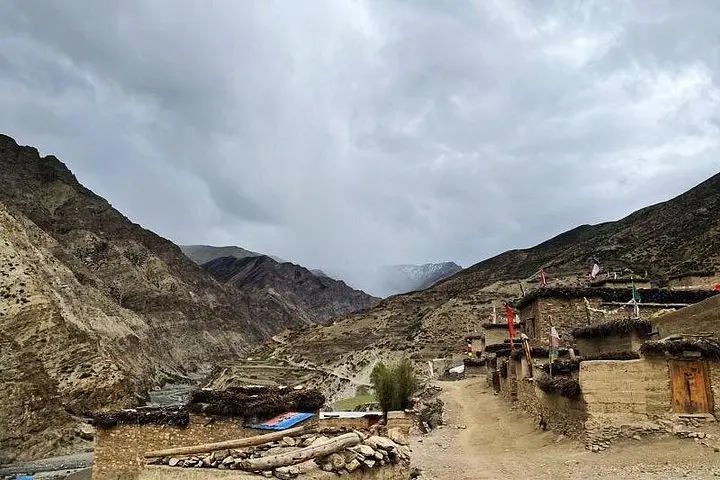
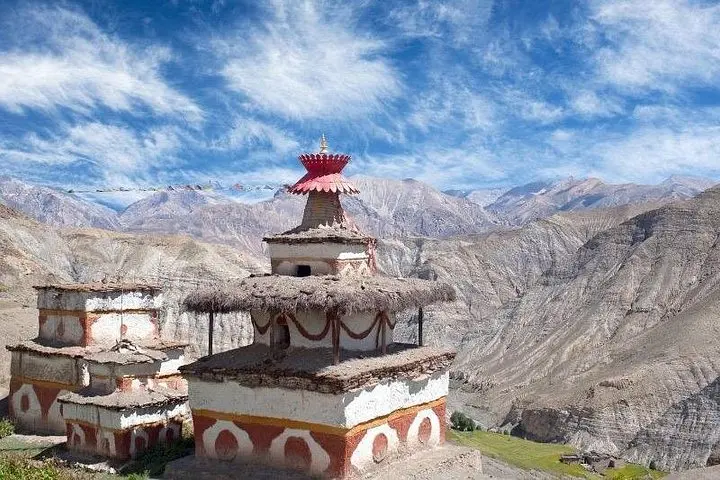
The first morning on the Upper Dolpo route feels like stepping into another map: thin, cold air, a lone trail threading through wind-sculpted talus toward a skyline of serrated peaks. Hikers begin with a short flight to Juphal, then follow river valleys, cross wooden bridges and climb through pine-clad slopes before the landscape opens to the arid, high-altitude expanse of Upper Dolpo.
The first morning on the Upper Dolpo route feels like stepping into another map: thin, cold air, a lone trail threading through wind-sculpted talus toward a skyline of serrated peaks. Hikers begin with a short flight to Juphal, then follow river valleys, cross wooden bridges and climb through pine-clad slopes before the landscape opens to the arid, high-altitude expanse of Upper Dolpo.
This is a place shaped by glaciers and ancient trade—geology of steep gorges, moraine-sculpted basins and high passes such as King La (≈5,360 m) and Shey-La (≈5,000 m). Culturally, Upper Dolpo sits on an old Tibet-Nepal trade route; many villages practice Bon and Tibetan Buddhism, with monasteries like Shey Gompa and small, prayer-flagged hamlets preserving centuries-old rituals.
Expect dusty, rocky trails, river crossings, long ascents and descents, and multiple high camps. Phoksundo Lake—deep, turquoise and rimmed by cliffs—offers both a scenic highlight and an acclimatization day to reduce altitude risk. Wildlife sightings are discrete: Himalayan blue sheep on ridgelines, groundbirds in the valleys.
Practically: this is a 18–20 day, high-altitude, camping-intensive trek requiring excellent fitness and reliable kit. Travel windows are late spring and autumn for stable weather; winter brings deep snow and summer monsoon creates muddy, leech-prone lower sections. Guides, permits and porters are standard; walkers should budget for gradual acclimatization, daily mileage of 4–7 hours on mixed terrain, and contingency days for weather. Hydrate, layer proactively, and keep summit-day start times early to avoid afternoon winds and weather shifts.