THE ADVENTURE COLLECTIVE® · Independent discovery and booking for outdoor travel

Trace pharaohs’ footsteps on a seven-day Nile loop from Cairo to Aswan and Luxor. Expect temples, a two-night Nile cruise, a dawn hot-air balloon over Luxor, and a pre-dawn Abu Simbel visit—packed days with managed logistics for travelers seeking history and landscape.
Trace pharaohs’ footsteps on a seven-day Nile loop from Cairo to Aswan and Luxor. Expect temples, a two-night Nile cruise, a dawn hot-air balloon over Luxor, and a pre-dawn Abu Simbel visit—packed days with managed logistics for travelers seeking history and landscape.
Dawn lifts off over the West Bank as a basket of balloons threads the thin air above temple roofs and palm-lined Nile bends. The wind carries scent of river mud and baking sun; below, the Valley of the Kings yawns open, its stone mouths still cool from night.
Verified experiences and guided adventures in the surrounding area.
Operated by Special trips · Luxor, Luxor Governorate
Dawn lifts off over the West Bank as a basket of balloons threads the thin air above temple roofs and palm-lined Nile bends. The wind carries scent of river mud and baking sun; below, the Valley of the Kings yawns open, its stone mouths still cool from night.
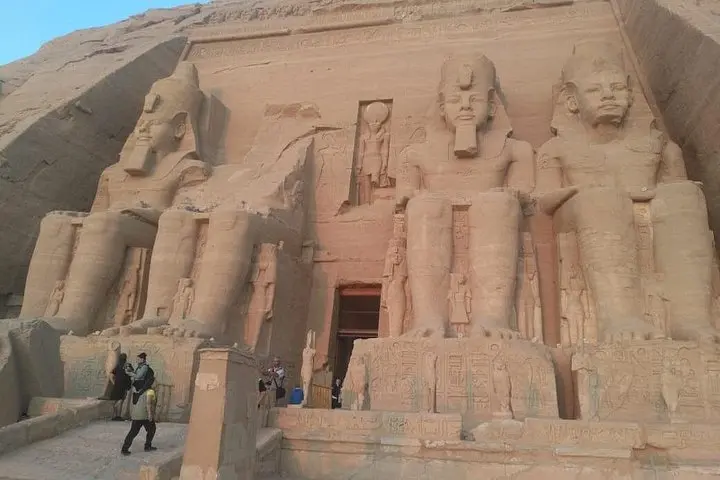
This seven-day loop follows the Nile’s pulse from Cairo by night train to Aswan and Luxor, tracing pharaonic capitals and Nubian villages. Geologically the valley is a ribbon of alluvium cutting through Pleistocene sandstone; culturally it’s where pharaohs set their stage—Karnak’s pylons, Hatshepsut’s terraces, and the colossal faces of Abu Simbel relocated when the Aswan High Dam raised the waters.
Visitors will see contrasts: the engineered enormity of the High Dam, reed-lined islets where feluccas ply, and small markets where Nubian crafts are sold. An Egyptology guide explains hieroglyphic panels and burial rites; a hot-air balloon offers perspective, exposing the grid of fields and temple axes.
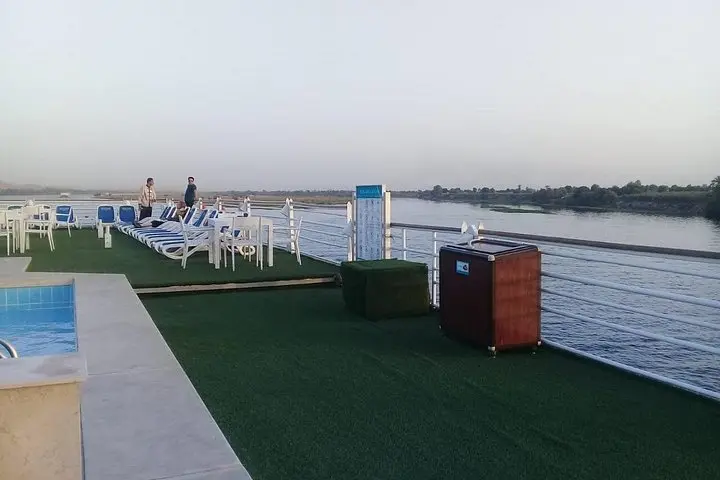
Practicalities shape the trip: daytime heat and reflective stone demand sun protection and steady hydration, while temple visits require sensible shoes for uneven floors and steps. Expect early mornings—Abu Simbel is a pre-dawn drive—and moderate walking on dusty paths. Trains and a 5-star cruise handle the miles between sites, while local transfers simplify logistics.
Plan cameras, small bills for tips and purchases, and a flexible schedule for weather or boat traffic. The Nile will push you forward—let it set the rhythm, but move deliberately to savor ruins that recorded seven millennia of human motion.
Most nationalities require a visa for Egypt—check your embassy’s rules and obtain a tourist visa in advance or on arrival where available.
Yes—Abu Simbel is about a 3-hour drive each way from Aswan, so expect an early start and a full morning for the round trip and site visit.
Yes—the advertised cruise includes meals on board (typically full-board between lunch and breakfast); check specific dietary needs ahead of time.
Licensed operators follow safety protocols and weather checks; choose vendors with good safety records and ask about pilot experience before flying.
Special trips operates guided outdoor trips and adventures with an emphasis on safety, stewardship, and memorable experiences.
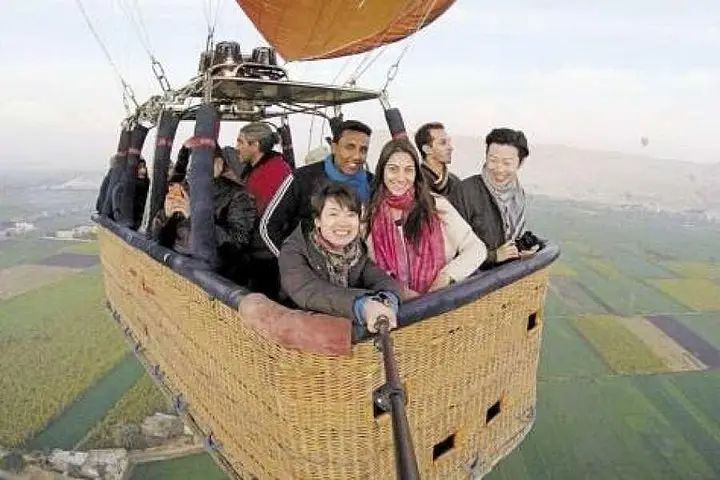
Dawn lifts off over the West Bank as a basket of balloons threads the thin air above temple roofs and palm-lined Nile bends. The wind carries scent of river mud and baking sun; below, the Valley of the Kings yawns open, its stone mouths still cool from night.
Dawn lifts off over the West Bank as a basket of balloons threads the thin air above temple roofs and palm-lined Nile bends. The wind carries scent of river mud and baking sun; below, the Valley of the Kings yawns open, its stone mouths still cool from night.
This seven-day loop follows the Nile’s pulse from Cairo by night train to Aswan and Luxor, tracing pharaonic capitals and Nubian villages. Geologically the valley is a ribbon of alluvium cutting through Pleistocene sandstone; culturally it’s where pharaohs set their stage—Karnak’s pylons, Hatshepsut’s terraces, and the colossal faces of Abu Simbel relocated when the Aswan High Dam raised the waters.
Visitors will see contrasts: the engineered enormity of the High Dam, reed-lined islets where feluccas ply, and small markets where Nubian crafts are sold. An Egyptology guide explains hieroglyphic panels and burial rites; a hot-air balloon offers perspective, exposing the grid of fields and temple axes.
Practicalities shape the trip: daytime heat and reflective stone demand sun protection and steady hydration, while temple visits require sensible shoes for uneven floors and steps. Expect early mornings—Abu Simbel is a pre-dawn drive—and moderate walking on dusty paths. Trains and a 5-star cruise handle the miles between sites, while local transfers simplify logistics.
Plan cameras, small bills for tips and purchases, and a flexible schedule for weather or boat traffic. The Nile will push you forward—let it set the rhythm, but move deliberately to savor ruins that recorded seven millennia of human motion.