THE ADVENTURE COLLECTIVE® · Independent discovery and booking for outdoor travel

Explore the Upper French Quarter on a three-hour guided walk from St. Louis Cathedral to Washington Artillery Park. Discover colonial history, riverfront views, and practical tips for navigating cobbled streets and summer crowds.
Explore the Upper French Quarter on a three-hour guided walk from St. Louis Cathedral to Washington Artillery Park. Discover colonial history, riverfront views, and practical tips for navigating cobbled streets and summer crowds.
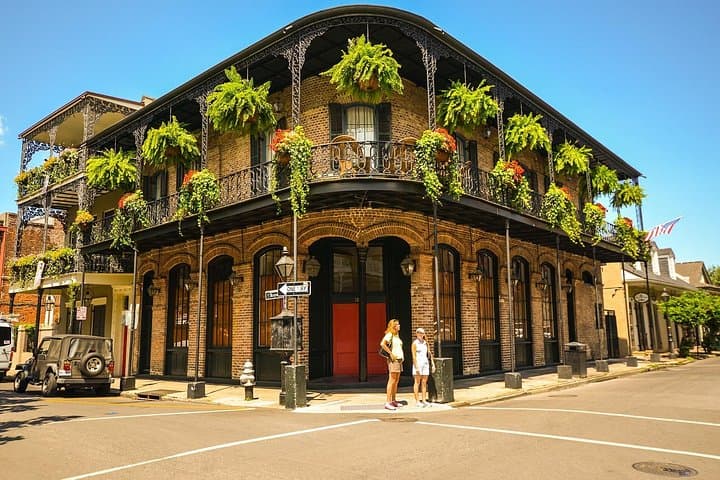
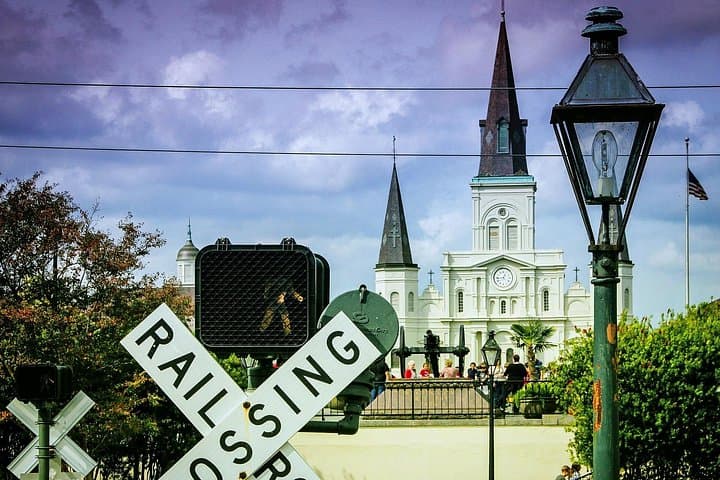
The morning light slants across wrought-iron balconies as the group gathers by the Basilica of St. Louis King of France. Cobbled alleys carry the hush of early vendors and the Mississippi River, just beyond sight, seems to nudge the square forward — an ever-present current that shaped the city and its stories.
Verified experiences and guided adventures in the surrounding area.
Operated by Opatrip.com USA · New Orleans, Louisiana
The morning light slants across wrought-iron balconies as the group gathers by the Basilica of St. Louis King of France. Cobbled alleys carry the hush of early vendors and the Mississippi River, just beyond sight, seems to nudge the square forward — an ever-present current that shaped the city and its stories.
This three-hour walking tour moves through layers of New Orleans history: colonial plazas, Creole townhouses, and the grand face of St. Louis Cathedral, one of the nation’s oldest cathedrals. The Cabildo, where the Louisiana Purchase transfer left its mark, frames the civic memory of a region born of trade and migration. Geologically, the Quarter sits on the river’s alluvial plain — low, flat ground built by centuries of silt and flood — which explains its intimate relationship with the Mississippi and the raised streets beyond.
Culture here is audible: brass-band rhythms, street artists, and vendors offering beignets and stories. Small parks such as Washington Artillery Park provide river views and a moment to read the city’s layout in stone and statue.
Practical guidance: the route is flat but uses uneven pavement and occasional steps, so solid walking shoes matter. Bring a refillable water bottle, sun protection, and a light rain layer in summer. Expect frequent stops at landmarks and a local guide who will shape the narrative to your group.
Plan for crowds around midday and for security checkpoints at popular sites. With a modest pace, this tour is an efficient way to connect with New Orleans’ architecture, history, and the river that keeps pulling the city into motion.
The tour runs approximately three hours and includes multiple stops at key sites.
The route is largely flat but includes cobblestones and occasional steps; mobility limitations should be discussed with the operator in advance.
The Cabildo entrance fee (approximately $10) is noted separately and may not be included in all bookings—confirm with the provider.
Tipping is customary for private tours; plan around 10–20% of the tour price or a suitable cash amount based on service.
Opatrip.com USA operates guided outdoor trips and adventures with an emphasis on safety, stewardship, and memorable experiences.


The morning light slants across wrought-iron balconies as the group gathers by the Basilica of St. Louis King of France. Cobbled alleys carry the hush of early vendors and the Mississippi River, just beyond sight, seems to nudge the square forward — an ever-present current that shaped the city and its stories.
The morning light slants across wrought-iron balconies as the group gathers by the Basilica of St. Louis King of France. Cobbled alleys carry the hush of early vendors and the Mississippi River, just beyond sight, seems to nudge the square forward — an ever-present current that shaped the city and its stories.
This three-hour walking tour moves through layers of New Orleans history: colonial plazas, Creole townhouses, and the grand face of St. Louis Cathedral, one of the nation’s oldest cathedrals. The Cabildo, where the Louisiana Purchase transfer left its mark, frames the civic memory of a region born of trade and migration. Geologically, the Quarter sits on the river’s alluvial plain — low, flat ground built by centuries of silt and flood — which explains its intimate relationship with the Mississippi and the raised streets beyond.
Culture here is audible: brass-band rhythms, street artists, and vendors offering beignets and stories. Small parks such as Washington Artillery Park provide river views and a moment to read the city’s layout in stone and statue.
Practical guidance: the route is flat but uses uneven pavement and occasional steps, so solid walking shoes matter. Bring a refillable water bottle, sun protection, and a light rain layer in summer. Expect frequent stops at landmarks and a local guide who will shape the narrative to your group.
Plan for crowds around midday and for security checkpoints at popular sites. With a modest pace, this tour is an efficient way to connect with New Orleans’ architecture, history, and the river that keeps pulling the city into motion.