THE ADVENTURE COLLECTIVE® · Independent discovery and booking for outdoor travel

Follow Upper McDonald Creek from the Glacier Institute to Avalanche Lake on an eight‑hour, interpretive hike that blends geology, hydrology, and wildlife. Perfect for curious travelers and families, this guided outing keeps you close to water, glaciers, and hemlock forest in Glacier National Park.
Follow Upper McDonald Creek from the Glacier Institute to Avalanche Lake on an eight‑hour, interpretive hike that blends geology, hydrology, and wildlife. Perfect for curious travelers and families, this guided outing keeps you close to water, glaciers, and hemlock forest in Glacier National Park.
Book with Glacier Institute
Verified experiences and guided adventures in the surrounding area.
142 ratings
Operated by Glacier Institute · Columbia Falls, Montana
Upper McDonald Creek in Glacier National Park threads through the Lake McDonald area just outside Columbia Falls, Montana. Beginning at the Glacier Institute - 7450 Highway 2 East Columbia Falls, MT 59912 US for guided departures, this eight‑hour, interpretive hike follows the cool artery of McDonald Creek toward Avalanche Lake and the glacial cirques above.
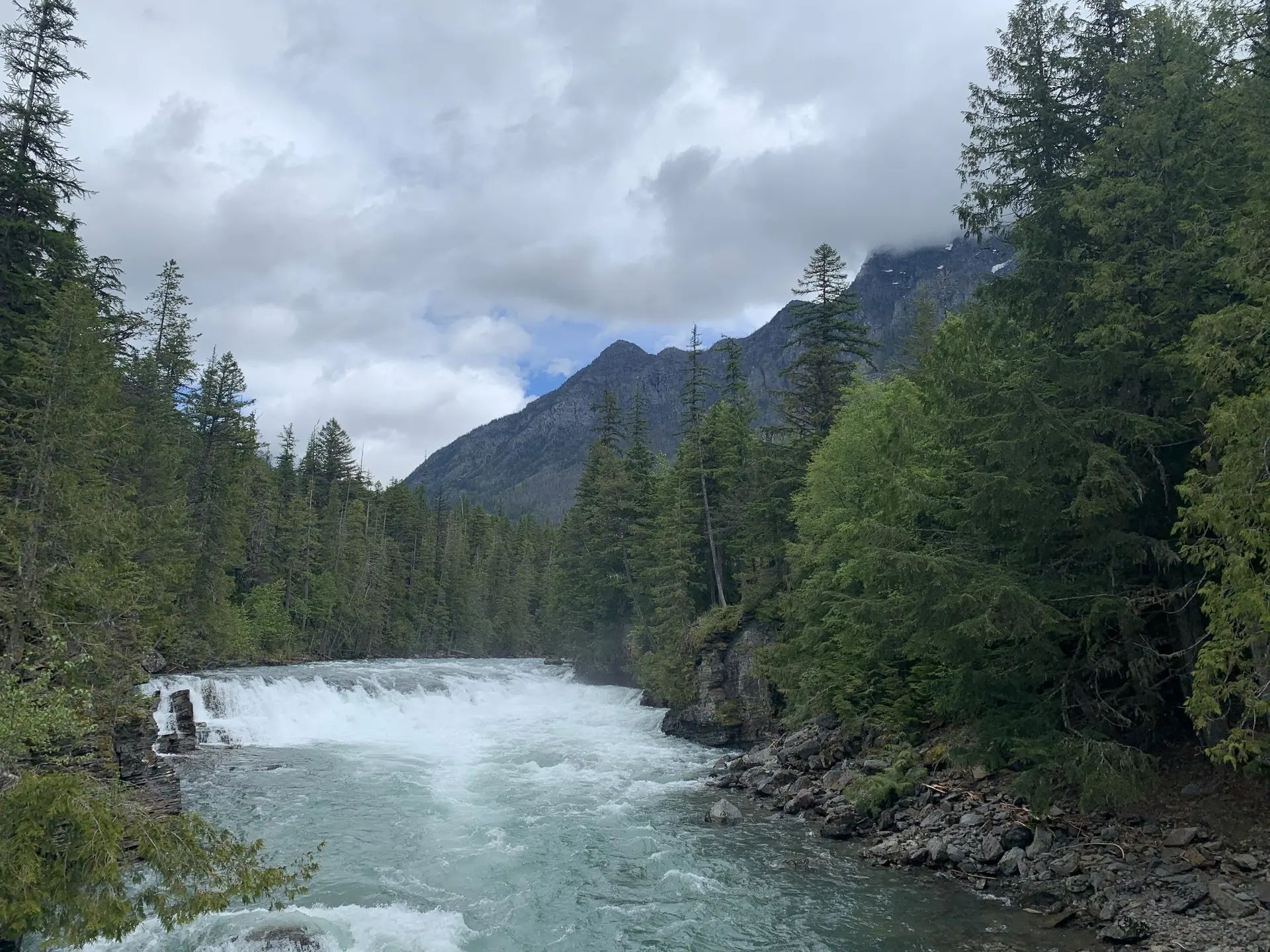
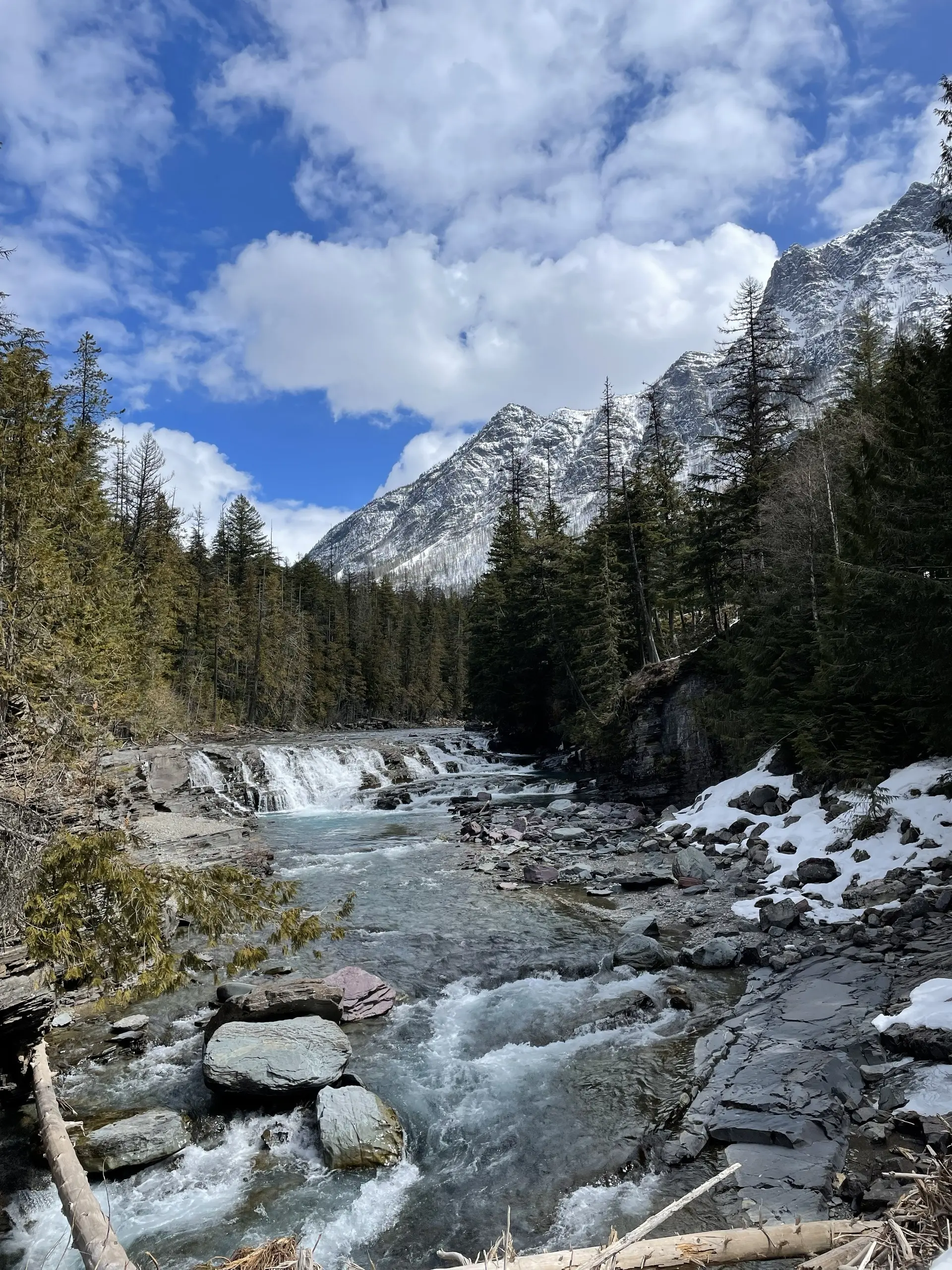
The trail traces a shaded hemlock forest where trunks glisten with moss and ferns carpet the understory. Water defines every turn: riffles and pools mirror knife‑edged peaks, while waterfalls spill from hanging valleys carved by ice. Along the way guides pause to explain how glaciers sculpted U‑shaped valleys and left behind polished bedrock and moraines that still direct the creek’s flow. Ancient western hemlock and subalpine fir stand beside deciduous riparian growth, and waterfowl use quiet backwaters for cover—an intimate cross‑section of the park’s wet, cool habitats.
This offering is more than a point‑to‑point walk. The Glacier Institute provides shuttle transport to the trailhead and on‑route natural history interpretation, turning a 3.5–4 mile out‑and‑back into an educational field lab. Expect mild elevation, exposed roots and rocks, and several interpretive stops that stretch the five hours on trail into a full eight‑hour day that includes driving and learning. Pack binoculars and field guides; instructors make the geology, hydrology, and wildlife feel immediate.
Why this hike stands out: it follows Upper McDonald Creek—the park’s living waterway—and culminates with views of Avalanche Lake and the steep, glaciated amphitheater above. Unlike crowded valley overlooks, this trail keeps you close to water, geology, and forest processes so the story of Glacier’s ice and meltwater is tangible. It’s family friendly for hikers who can handle uneven terrain and a full day outside, and it’s an ideal choice for anyone wanting a compact but comprehensive primer on the park’s watershed ecology.
Practical notes: participants must purchase a Glacier National Park entry pass before arrival. Weather in the Lake McDonald area can swing from sun to snow; warm layers and rain protection are essential. The interpretive focus makes this a great fit for curious travelers, naturalists, and photographers aiming to capture waterfalls, ancient trees, and the glassy surfaces of high alpine lakes. Whether you’re tracing water back to its icy source or simply breathing cedar‑scented air, the Upper McDonald Creek hike offers a clear, informed pathway into Glacier’s running heart.
Guides interpret topics from watershed science to species identification, pointing out signs like scoured bedrock, lateral moraines, marmot talus gardens, and osprey activity near open water. Families and solo travelers alike benefit from the slower pace and frequent stops. Book through the provided fareharbor link and confirm your park pass; cell service can be limited so download maps and notes before departure for safety.
The out‑and‑back distance is about 3.5–4 miles with roughly five hours on trail; the full program including drive and interpretation runs about eight hours.
Yes — participants must purchase a Glacier National Park entry pass prior to arrival; details are included in confirmation materials.
Yes for children comfortable on uneven ground and a full day outdoors; caregivers should plan for slower pace and frequent breaks.
Yes, the Glacier Institute provides shuttle transportation to the trailhead as part of the guided experience.
Expect common sightings of waterfowl and small mammals like marmots; larger wildlife are possible but less common along this creek corridor.
Cell service can be limited in the Lake McDonald area; download maps and emergency contacts before you go.
Glacier Institute is an outdoor education organization based in Columbia Falls, Montana, offering guided hikes, workshops, and multi-stop series in Glacier National Park. The Institute leads day trips and experiential classes that combine field-based education with interpretive natural history, emphasizing geology, wildlife, fire ecology, and land stewardship. Trips range from short nature-journaling sessions to full-day hikes such as the Highline Trail, Many Glacier, Avalanche Lake, and Hidden Lake Overlook. Guided hikes commonly run between two and ten hours and are led by Outdoor Education Specialists who provide on-trail instruction about alpine ecosystems, glacial landscapes, and local flora and fauna. Evening and specialty outings—like the Evening Hike to Hidden Lake Overlook and the Fire Lookout Series—pair scenic viewpoints with focused lessons on park ecology. Educational workshops include the Forest Bathing Workshop led by Ellen Horowitz, and a Nature Journaling Series taught by Zowie Caouette; these classes emphasize sensory awareness, creative observation, and conservation-minded engagement. The Into the Wild: A Nature Immersion Experience blends forest bathing and journaling into a guided five-hour session designed to deepen connection with place. All programming centers on immersive, interpretive experiences inside Glacier National Park. The Institute’s offerings are factual, time-defined, and described in trip summaries to help participants select appropriate routes and durations. Prospective visitors can expect guided, curriculum-driven outings that prioritize safety, interpretation, and environmental stewardship in one of Montana’s most iconic landscapes. Booking information, trip distances, and detailed itineraries are provided in official trip descriptions to support informed decision-making, and gear recommendations where available.
Book with Glacier Institute